TikTok US Sale Just Closed. Here’s What Changes Now
TikTok’s US future finally got resolved. After months of extensions and negotiations, the company locked down a sale that keeps the app running while satisfying Washington’s national security demands.
CEO Shou Zi Chew sent an internal memo Thursday confirming the deal. The target closing date is January 22nd, 2026. Over 170 million American users can keep scrolling without interruption.
But this isn’t just a simple ownership transfer. The deal restructures how TikTok operates in the US from the ground up.
Who Actually Owns TikTok Now
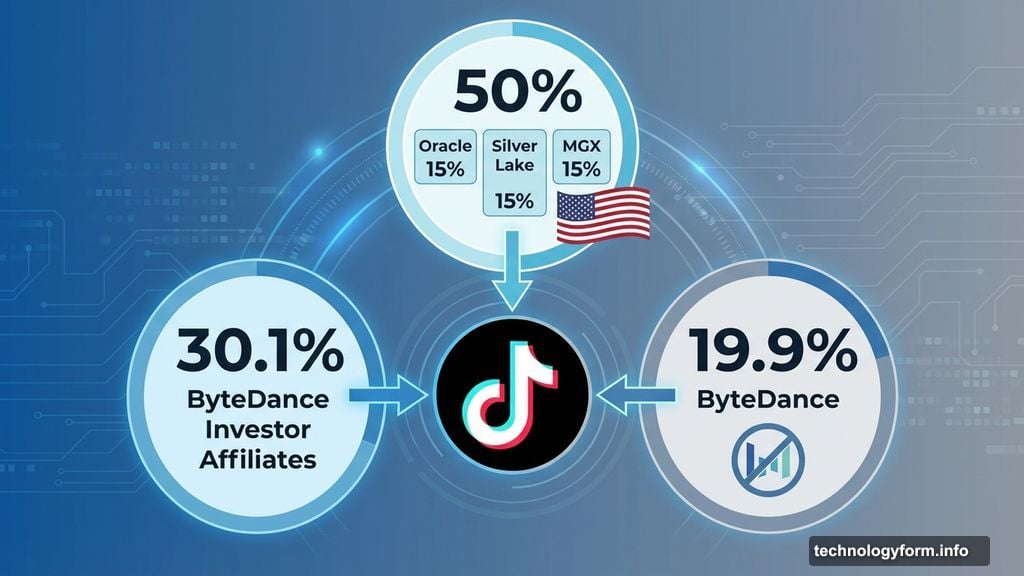
The ownership split breaks down into three chunks. None of them give ByteDance full control anymore.
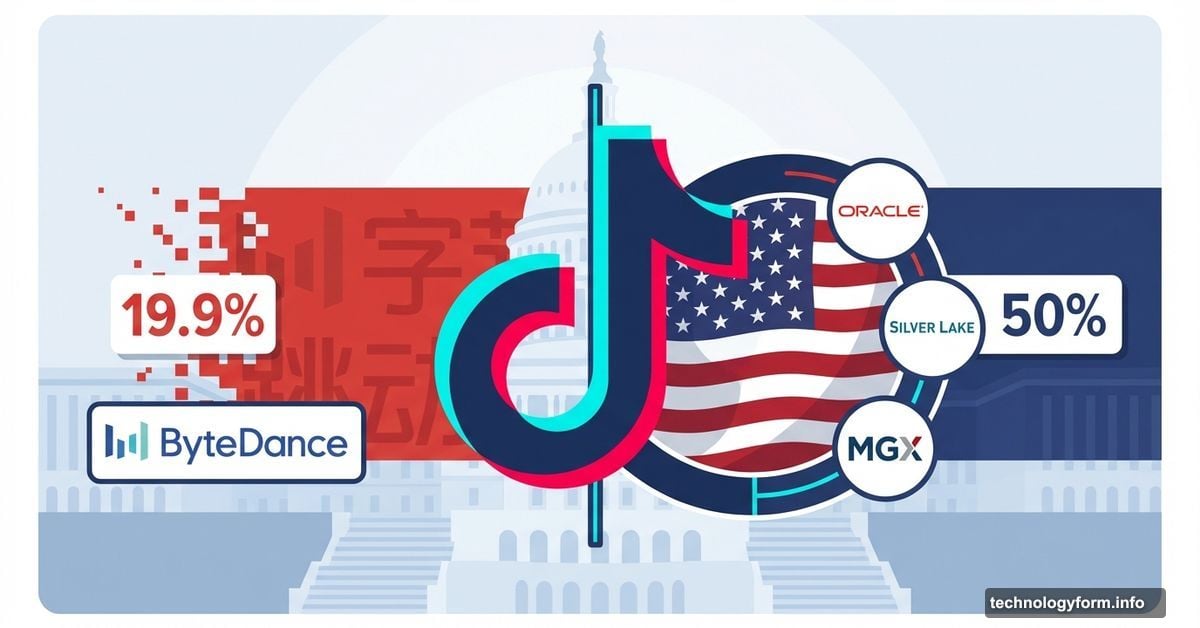
New American investors hold 50% through a consortium. Oracle, Silver Lake, and MGX each took 15% stakes. These companies bring serious tech infrastructure and financial muscle to the table.
Existing ByteDance investor affiliates control 30.1%. ByteDance itself keeps just 19.9%. That’s a minority stake, which was the whole point of the divest-or-ban law.
So ByteDance officially lost majority control of its US operations. Whether that meaningfully changes how TikTok functions remains to be seen. The platform still connects to a global network of users and content.
The Algorithm Gets Rebuilt From Scratch
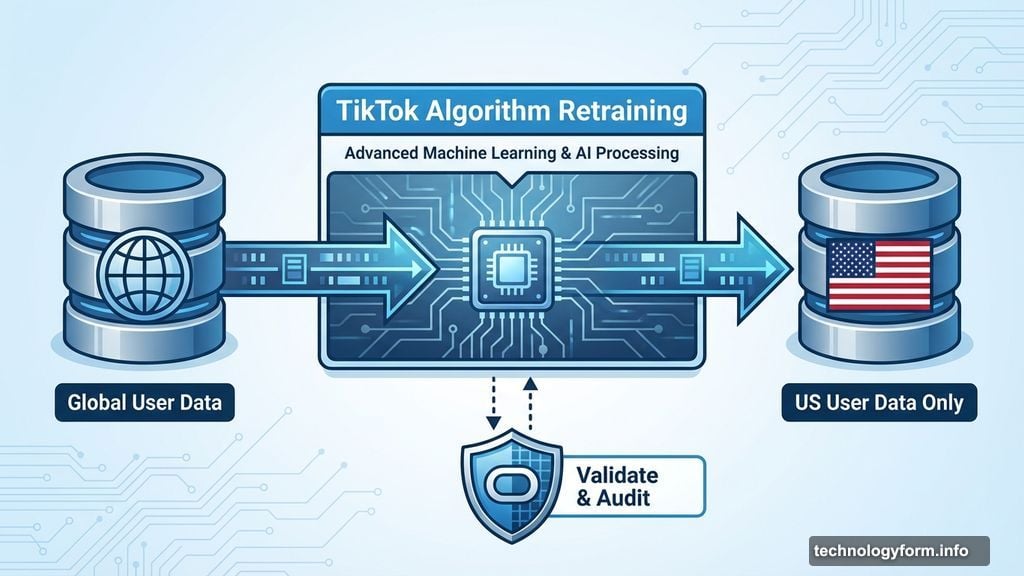
Here’s the biggest operational change. TikTok’s recommendation engine will be retrained using only US user data.
That sounds simple. But it’s actually massive. TikTok’s algorithm made the app addictive by learning from billions of global interactions. Starting over with just US data means the feed will behave differently, at least initially.
The goal? Eliminate any possibility of outside manipulation of what Americans see. Whether you trust that promise depends on your view of corporate and government oversight.
Oracle will validate and audit the algorithm’s security. That means the same company providing cloud infrastructure also checks the homework. Some security experts will probably have opinions about that arrangement.
Data Moves to Oracle’s Cloud
All sensitive US user data gets stored in Oracle-run cloud infrastructure. Oracle already handled TikTok’s US data storage under previous security arrangements.
But now Oracle holds more responsibility. They’re the “trusted security partner” who audits compliance with national security terms. Plus, they took a 15% ownership stake.
So Oracle isn’t just a vendor anymore. They’re an investor with skin in the game. That alignment of incentives could strengthen security commitments. Or it could create conflicts of interest. Probably both.
Meanwhile, American users won’t notice any difference in how the app works. Your data just lives in different server racks now.
Content Moderation Stays In-House
The new US joint venture gets final authority over content moderation policies. That includes deciding what gets removed, what stays up, and how community guidelines get enforced.
This matters because content moderation was always a pressure point. Critics worried Beijing could influence what Americans see by controlling moderation decisions. Now those decisions supposedly stay within US borders.
However, TikTok’s global entity still manages “product interoperability.” Translation: the US version connects to the worldwide TikTok network. Content flows across borders even if moderation decisions happen domestically.
So the lines get blurry fast. A video from Germany can appear on US feeds. Does US content moderation apply? What about videos created by Americans but viewed in other countries? These edge cases will create interesting policy questions.
Advertisers and Creators Keep Going
For businesses and creators, nothing changes immediately. Ad campaigns keep running. Creator funds keep paying. E-commerce features stay active.
That’s intentional. The deal aimed to maintain TikTok’s US operations without disruption. Shutting down and rebuilding would have destroyed the platform’s value.
Plus, advertisers represent massive revenue. They spent billions reaching TikTok’s audience. Any interruption would have sent them fleeing to Instagram Reels or YouTube Shorts.
Creators also depend on TikTok for income and audience reach. The platform birthed entire careers and small businesses. A shutdown would have wrecked those livelihoods.
So the deal preserved the commercial ecosystem while changing the ownership and security structure underneath it.
What This Means Long-Term
ByteDance lost operational control of its most valuable international market. That’s a major strategic loss, even if they retain some financial upside through their minority stake.
For users, the changes should be invisible. The app looks the same. The content feels the same. Algorithm retraining might shift recommendations slightly, but probably not enough to notice.
The real question is whether this deal actually addresses national security concerns. Critics of ByteDance wanted them completely cut out. Supporters of TikTok worried about government overreach and data security theater.
This compromise satisfies neither group completely. But it keeps TikTok alive in the US while establishing new security controls. Whether those controls prove effective or just cosmetic won’t be clear for years.
One thing’s certain: this deal creates a template. Other foreign tech companies operating in the US now face similar pressure to restructure ownership and data handling. The TikTok saga set a precedent that extends far beyond one social media app.