WhatsApp Channels Hit EU Crosshairs. Meta Faces New Scrutiny
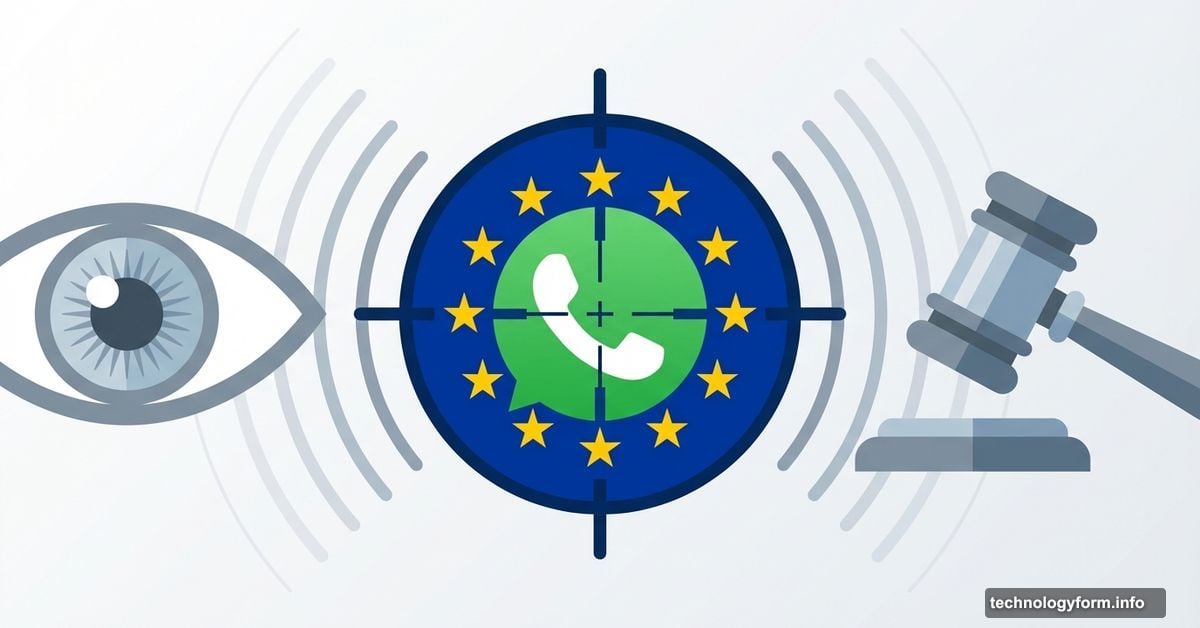
Meta’s messaging empire just got more complicated. WhatsApp Channels crossed a critical threshold in Europe, and Brussels is paying attention.
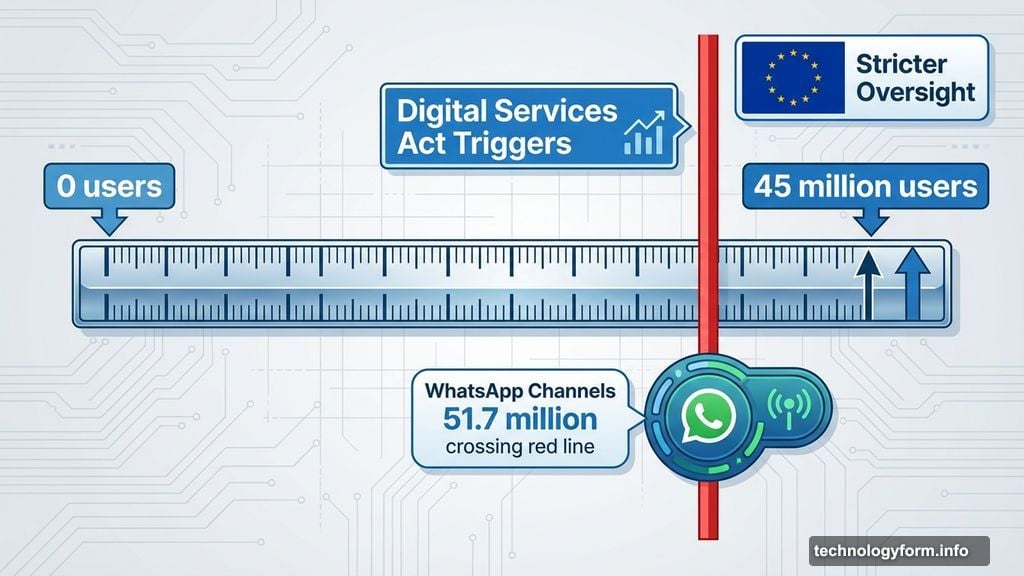
The app’s broadcasting feature now reaches 51.7 million monthly users across the EU. That’s above the 45 million mark that triggers stricter oversight under the Digital Services Act. So Meta’s “private” messaging app might soon face the same regulatory heat as Facebook and Instagram.
What Changed With WhatsApp Channels
WhatsApp started as a simple messaging app. You text friends. They text back. Private conversations, end-to-end encrypted.
But Channels works differently. Users broadcast one-way messages to anyone who follows them. No replies, no conversations. Just public posts reaching millions of people.
Sound familiar? That’s because it looks exactly like Meta’s other social platforms. And EU regulators noticed.
The European Commission confirmed they’re actively reviewing WhatsApp for potential designation as a “very large online platform.” That’s bureaucrat-speak for “we’re watching you closely now.”
Why 45 Million Users Matters
The Digital Services Act draws a bright line at 45 million monthly active users. Cross that threshold, and Brussels starts enforcing strict content moderation rules.
Companies must remove illegal content quickly. They need clear reporting systems. Plus, they face detailed transparency requirements about how their algorithms work.
Fail to comply? Fines reach up to 6% of global annual revenue. For Meta, that could mean billions of dollars at stake.
Here’s the catch. Meta built WhatsApp’s reputation on privacy. Now regulators want content oversight on Channels. Those goals don’t mesh easily.
Meta Already Knows This Playbook
This isn’t Meta’s first DSA rodeo. The company faced charges in October 2024 over how Facebook and Instagram handle illegal content reports. Regulators said the reporting systems weren’t clear enough.
That same month, a Dutch court ordered Meta to change recommendation algorithms. Users couldn’t make “free and autonomous choices” about their feeds, the court ruled.
So Meta knows what’s coming. More compliance costs. More legal battles. More engineering resources diverted to regulatory requirements instead of product improvements.
But WhatsApp represents different stakes. The app reaches 2 billion users globally. Many depend on it for essential communication. Heavy-handed moderation could backfire badly.
The Broadcasting Problem Nobody Solved
WhatsApp Channels creates a weird hybrid. The app markets itself on privacy protection. Channels broadcasts to millions publicly.
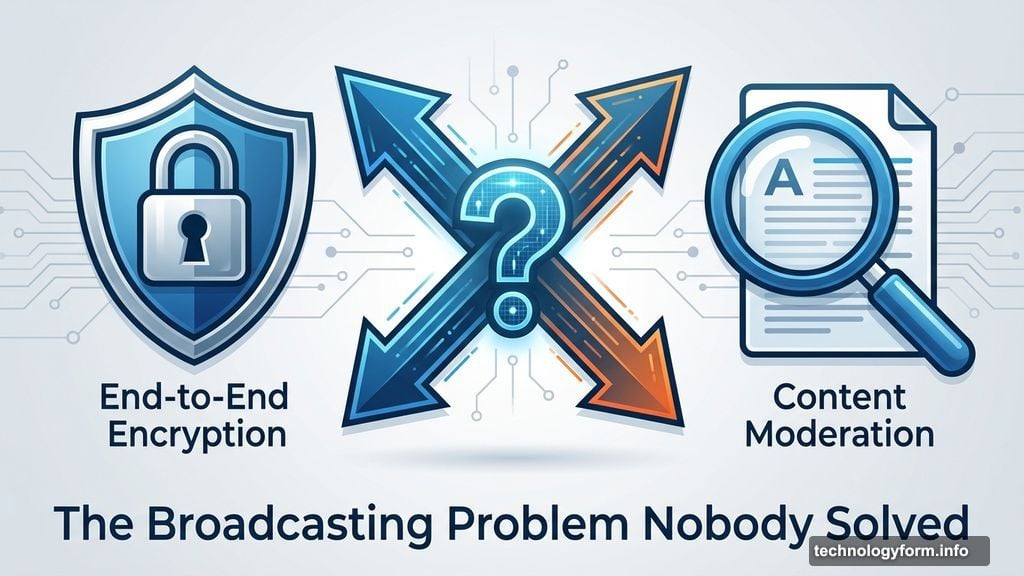
How do you moderate content at scale while maintaining encryption? Meta hasn’t figured that out yet. Neither has anyone else.
Traditional social media can scan posts before publication. WhatsApp’s encryption makes that technically impossible without breaking core privacy promises.
Yet regulators want illegal content removed quickly. The EU doesn’t care about technical limitations. Companies must comply or face consequences.
This tension explains why Meta stayed quiet about Channels’ user numbers. The company likely hoped to avoid regulatory attention as long as possible.
What Happens Next
The European Commission will formally decide whether to designate WhatsApp as a VLOP. That process typically takes months, not weeks.
Once designated, Meta gets four months to comply with all DSA requirements. That means building new content moderation systems specifically for Channels.
Meanwhile, Meta’s rivals are watching closely. Signal and Telegram offer similar features. If WhatsApp faces heavy regulation, users might migrate to less-scrutinized alternatives.
But here’s the bigger issue. Other countries often follow EU regulatory precedents. If Brussels cracks down on WhatsApp Channels, expect similar actions worldwide.
Meta requested more time to prepare compliance systems. They’ll probably get it. But the outcome seems inevitable at this point.
Your private messaging app just became a public platform in regulators’ eyes. Meta can fight the designation. Or they can start preparing now for stricter oversight.
Either way, WhatsApp Channels won’t stay under the radar much longer. Brussels crossed that option off the list when user numbers hit 51.7 million.