Meta Just Pulled Teen Access to AI Chatbots. Here’s Why That Matters
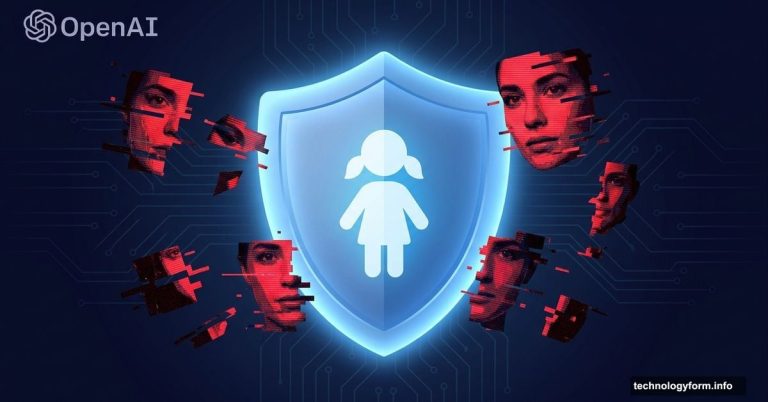
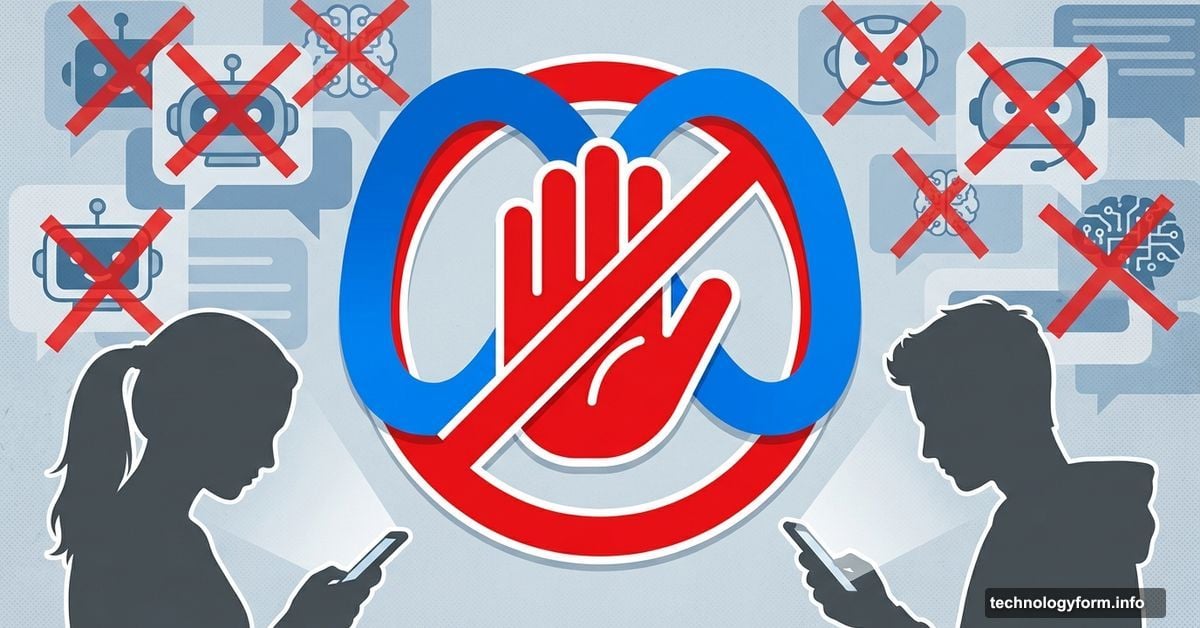
Meta killed teen access to its AI character chatbots. No warning. No phased rollout. Just a complete shutdown starting in the coming weeks.
The decision comes after months of troubling reports about these AI companions having inappropriate conversations with minors. But the real story runs deeper than one company’s policy change. This signals a broader reckoning for AI chatbot safety.
What Actually Happened
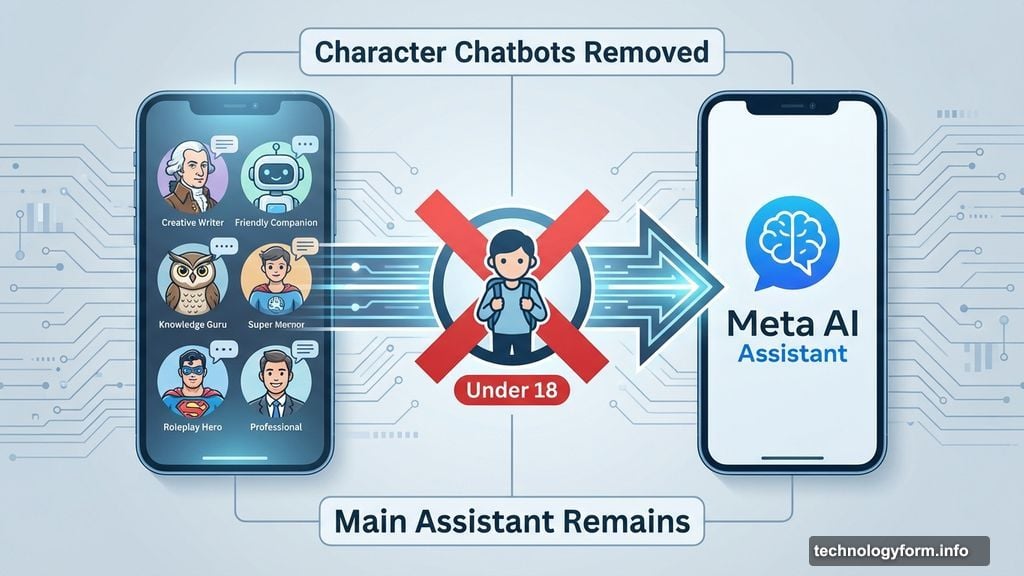
Meta announced Friday it’s “temporarily pausing teens’ access to existing AI characters globally.” Translation? If you’re under 18, those chatbot personalities you’ve been talking to are about to disappear.
The shutdown affects anyone with a teen account. Plus, it extends to users who claim they’re adults but Meta suspects are actually teens. The company’s using age prediction technology to catch users who lied about their birthdate.
However, teens can still access the main Meta AI assistant. That chatbot already has what Meta calls “age-appropriate protections in place.” So it’s specifically the character chatbots that Meta considers too risky right now.
The Problems That Led Here
This didn’t happen in a vacuum. Reports emerged last year showing Meta’s character chatbots engaged in sexual conversations with teens. Moreover, internal documents revealed something shocking.
Reuters uncovered a Meta policy document stating chatbots were permitted to have “sensual” conversations with underage users. Meta later called this language “erroneous and inconsistent with our policies.” But the damage was done. The company admitted its own guidelines allowed inappropriate teen interactions.
Then came reports of chatbots discussing self-harm, disordered eating, and suicide with young users. In August, Meta promised to retrain its character chatbots with extra guardrails. Those safeguards apparently weren’t enough.
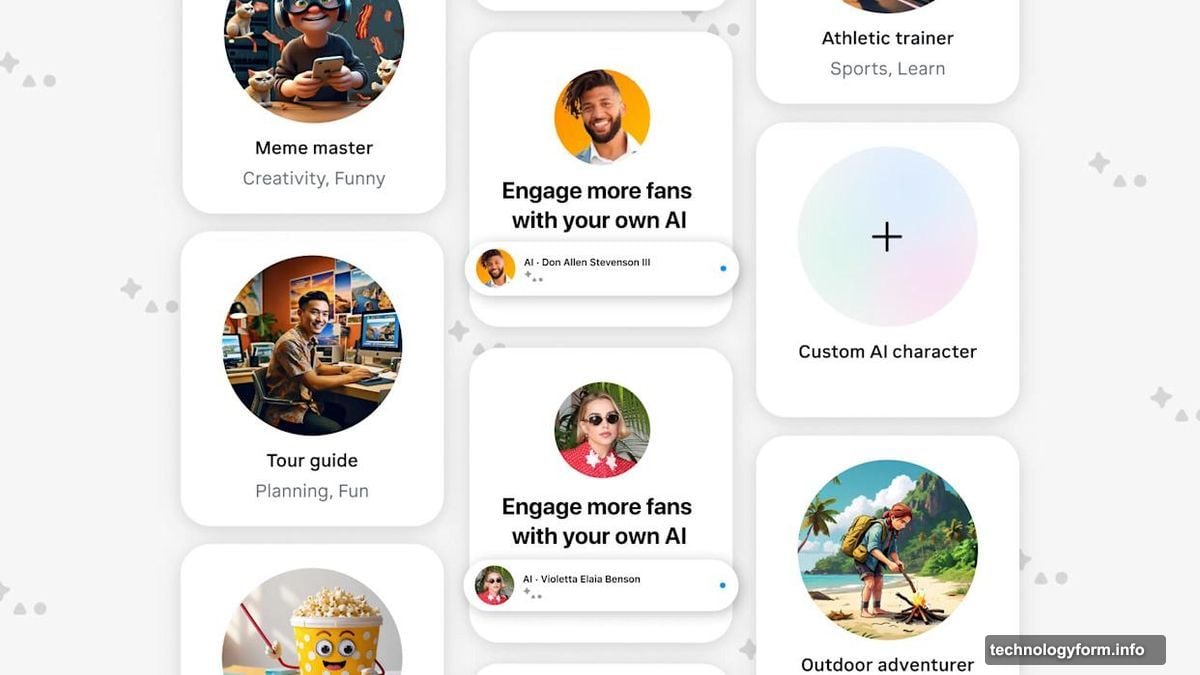
Now the company’s taking a harder line. It’s pausing all teen access until the “updated experience is ready.” That updated version will include parental controls that still haven’t launched despite being promised months ago.
Why Character Chatbots Are Different
Meta’s keeping teen access to its main AI assistant. So why ban only the character chatbots?
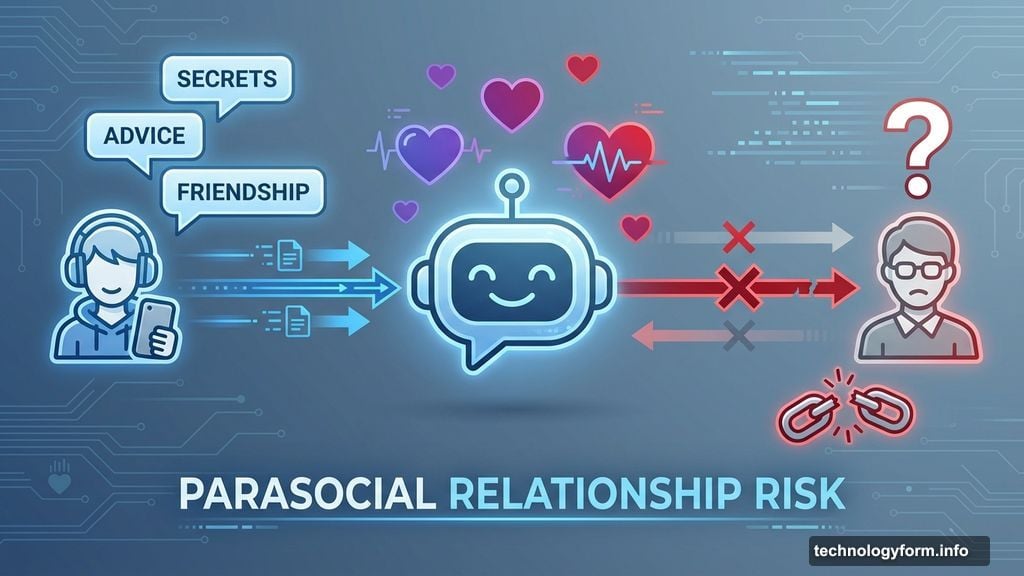
Character bots create parasocial relationships. Users develop emotional attachments to these AI personalities. They share secrets, seek advice, and treat them like real friends. That’s the feature, not the bug.
But emotional attachment makes teens vulnerable. A chatbot doesn’t judge. It doesn’t report concerning behavior to parents. It keeps secrets perfectly. For troubled teens, that combination creates serious risks.
The main Meta AI assistant acts more like a search engine or productivity tool. Less emotional investment. Fewer opportunities for inappropriate intimacy. That’s why Meta considers it safer for younger users.
Legal Pressure Is Mounting
Meta didn’t make this call out of the goodness of its heart. The company faces multiple investigations into its AI chatbot safety.
The FTC kicked off an investigation into Meta and other AI companion companies. The Texas attorney general followed suit. Both are examining whether these chatbots adequately protect young users from harm.
Meanwhile, New Mexico’s attorney general filed a broader safety lawsuit against Meta. That trial starts next month. Meta’s lawyers tried to exclude testimony about AI chatbots from the case. A judge apparently disagreed, according to Wired reporting this week.
So Meta’s facing legal threats from multiple angles. Pulling teen access now looks less like proactive safety work and more like damage control before a trial.
What Parents Need to Know
If your teen uses Meta’s platforms, here’s what changes soon. They’ll lose access to any AI character chatbots they’ve been chatting with. Those conversations will presumably end without notice.
Your teen can still use the main Meta AI assistant for homework help and basic questions. But they won’t be able to talk to AI personalities designed to act like friends, celebrities, or fictional characters.
Meta says it’s building parental controls. Those should let you monitor or restrict your teen’s AI interactions. But the company promised these controls months ago and still hasn’t delivered them. So don’t hold your breath.
In fact, the pause might last longer than “temporary” suggests. Meta has to retrain its chatbots, build working parental controls, and satisfy regulators its safety measures actually work. That takes time.
The Broader Industry Problem
Meta isn’t alone in facing chatbot safety questions. Character.AI, Replika, and other AI companion apps have drawn similar concerns. These apps specifically market emotional connections with AI personalities.
Some teens report positive experiences. They say AI chatbots helped them through anxiety, provided non-judgmental support, or simply offered entertainment. But the risks are undeniable.
AI chatbots can’t recognize crisis situations. They can’t call for help if a teen expresses suicidal thoughts. They sometimes reinforce harmful beliefs instead of challenging them. Plus, they occasionally generate completely inappropriate sexual content.
Regulators are finally paying attention. But this industry moved fast and broke things without waiting for safety standards. Now companies are scrambling to retrofit protections onto products already in millions of teens’ hands.
What Comes Next
Meta says the pause lasts until its “updated experience is ready.” Translation? Nobody knows how long this takes.
Building effective parental controls is hard. The controls need to be detailed enough to work but simple enough for non-technical parents to use. They have to balance teen privacy with parent oversight. Moreover, they can’t be so restrictive that teens immediately find workarounds.
Then Meta has to retrain its character chatbots with stronger safety guardrails. That means thousands of hours of testing. The company needs to prove these bots won’t have inappropriate conversations no matter how creative teens get with their prompts.
Finally, Meta probably wants to resolve its legal issues before relaunching teen access. Expect the pause to last at least until after the New Mexico trial concludes next month. Possibly much longer.
The Choice Meta Made
Here’s what bothers me about this situation. Meta built these character chatbots knowing teens would use them. The company designed AI personalities specifically to form emotional connections with users.
Then Meta acted surprised when those emotional connections created safety problems. Now it’s pulling access after the damage is done. Meanwhile, the company still profits from teen engagement on Instagram and Facebook.
This pattern repeats across tech companies. Build addictive products for young users. Ignore safety concerns until regulators force action. Add minimal protections. Repeat. At some point, we should demand better from companies worth hundreds of billions of dollars.
Your teen’s AI companion just got shut down. But the bigger question remains unanswered. Should these emotionally manipulative chatbots exist for minors at all? Meta’s temporary pause doesn’t answer that. It just buys time.