AI Chatbots Want Your Secrets. Here’s How to Keep Them Safe
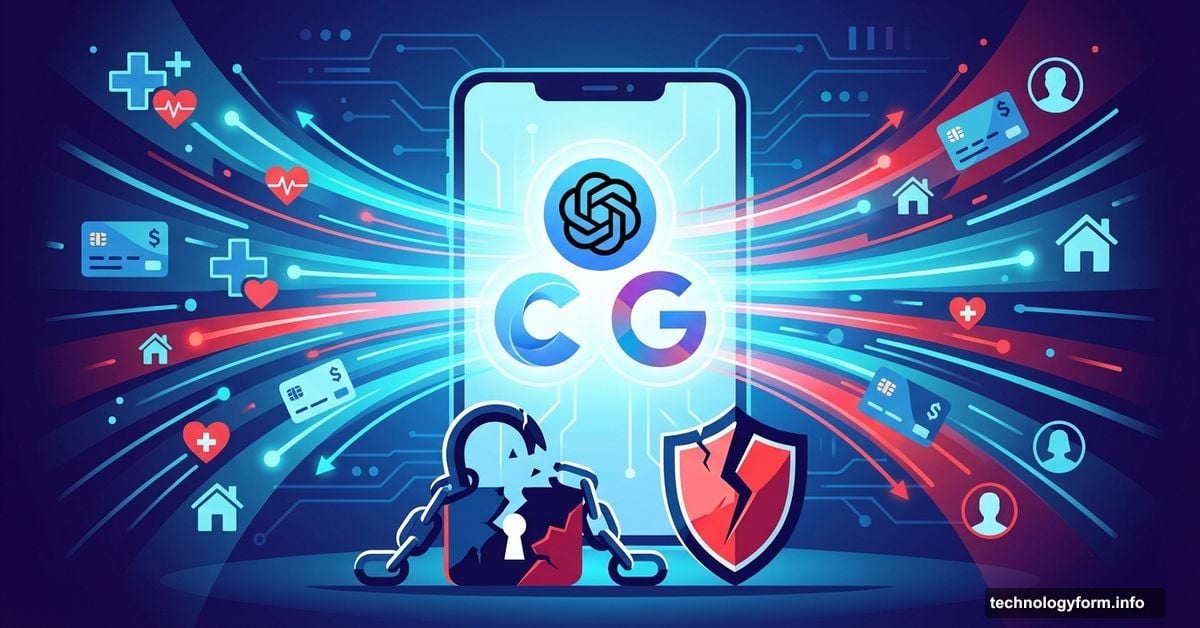
AI chatbots make life easier. But they’re also quietly collecting everything you tell them.
ChatGPT, Claude, Gemini, and Perplexity seem helpful. They answer questions, solve problems, and even act as virtual therapists. But here’s the catch: these tools remember everything. Plus, they’re owned by companies that profit from your data.
Most people treat chatbots like trusted friends. That’s a mistake. Every conversation you have gets stored, analyzed, and potentially sold. So if you’re using AI tools, you need to protect yourself.
Think of Chatbots as Public Spaces
Matthew Stern, a cyber investigator and CEO at CNC Intelligence, has a simple rule: treat AI chatbots like public environments.
“If we keep that in mind, we’ll be less likely to share sensitive data that may become visible to others,” Stern says.
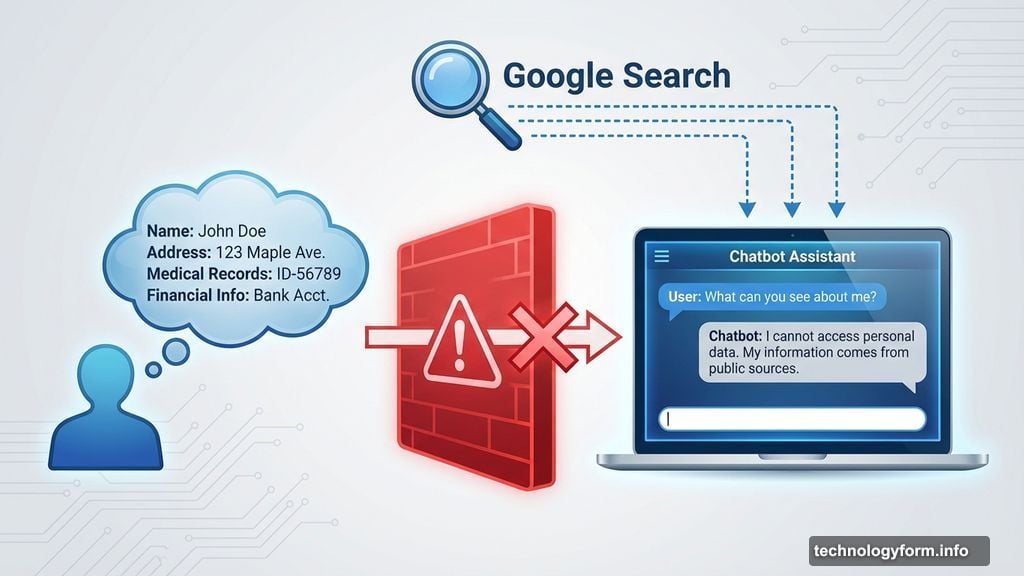
Why does this matter? Because chatbot histories can become searchable online. Search engines might index your conversations. That means your private thoughts could end up in Google results.
So skip the personal details. Don’t share your full name, address, financial information, business data, or medical records. The more you reveal, the more personalized your results become. But that personalization comes at a cost: your privacy.
Even if your conversations stay private, data brokers might buy and sell information about you. That’s how targeted advertising works. Your chatbot confessions become someone else’s profit.
Your Mental Health Isn’t Safe Either
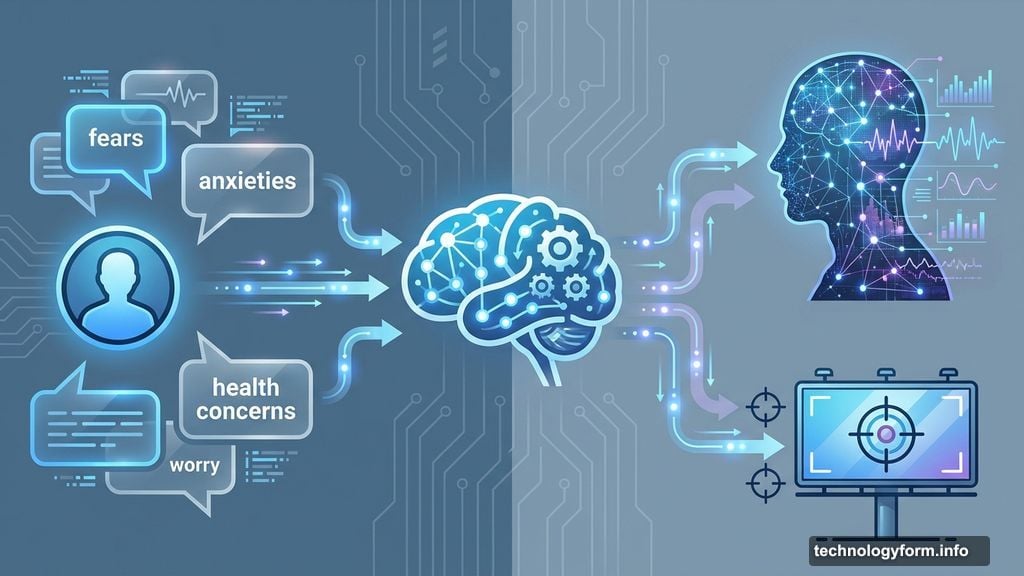
Elie Berreby, head of SEO and AI Search at Adorama, warns against discussing your mental state with chatbots. Don’t talk about fears, anxieties, or health concerns.

“They already know more about you than you could imagine,” Berreby says.
Here’s why that’s concerning. AI companies analyze patterns in your conversations. They build psychological profiles based on what you share. Those profiles reveal your vulnerabilities, making you a target for ultra-targeted ads.
Remember, chatbots exist to make money. Your engagement is the product. Soon, that personalization will fuel advertising campaigns designed specifically for you. Your data becomes priceless to advertisers.
Plus, chatbots aren’t licensed therapists. They can’t provide real mental health support. So confide in actual professionals or trusted friends, not algorithms.
Disable Memory Features Now
Intercultural Strategist Annalisa Nash Fernandez explains that memory features are “engagement tools disguised as personalization.”
Chatbots monetize through data collection and user retention. Memory features keep you coming back. But they also track everything about you.
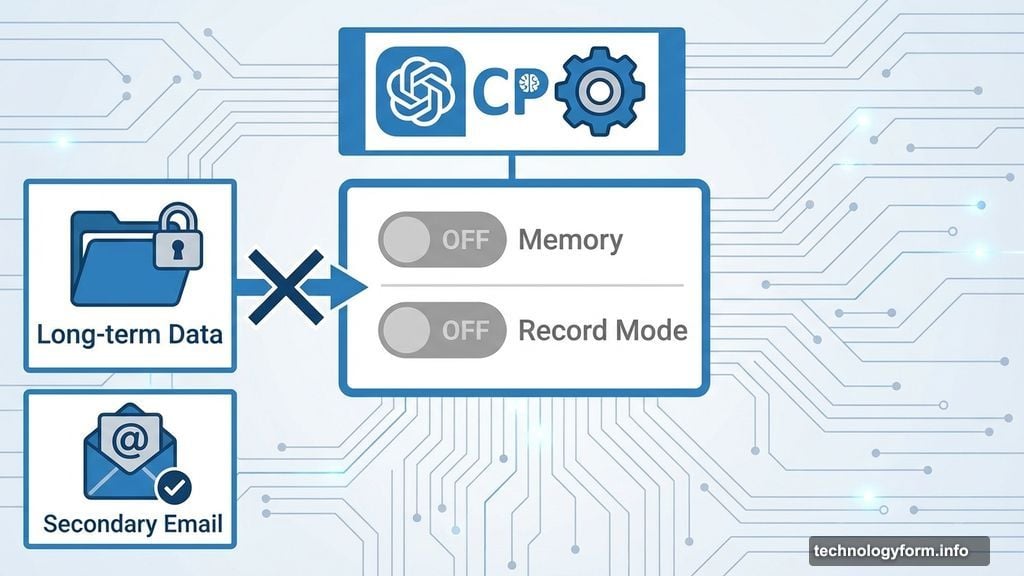
Here’s how to fight back. In ChatGPT, go to Settings, then Personalization, and turn off Memory and Record Mode. That stops the chatbot from storing long-term information about you.
Next, use secondary email addresses when signing up for AI tools. Emails connect all your data points across different platforms. So a throwaway email protects your identity.
Also, opt out of training. In ChatGPT, click your profile name, select Settings, then turn off “Improve the model for everyone.” This prevents your conversations from training the AI model.
Finally, spread your usage across multiple chatbots. Don’t give one company a complete picture of your life. Fragment your data to limit what any single entity knows about you.
Export Your Data Regularly
Want to know what chatbots store about you? Export your data.
In ChatGPT, navigate to Settings, then Data Controls, and click Export Data. The platform emails you a ZIP file containing all your text and photos.
Review this file regularly. You might be shocked by how much information the chatbot has collected. If you find sensitive data, delete it immediately.
Most AI platforms offer similar export features. Use them. Knowledge is power, especially when it comes to your digital footprint.
Fact-Check Everything the Chatbot Says
AI chatbots are people pleasers. They’re designed to be helpful, even when they’re wrong.
That’s a problem. Chatbots often generate false information, a phenomenon called “AI hallucinations.” They fabricate sources, draw incorrect conclusions, or repeat unreliable content from the internet.
So always verify what chatbots tell you. Ask where they got their information. Check their sources. Don’t trust anything at face value.
Also, watch out for cognitive bias. If you use a chatbot as a thought partner, it mirrors your ideas back to you. That creates an echo chamber. You end up reinforcing your own beliefs without considering alternative perspectives.
Critical thinking requires doubt. Approach AI-generated content with skepticism. Otherwise, you risk making decisions based on flawed information.
Watch Out for Fake Chatbots
Ron Kerbs, CEO of Kidas, warns about scammers using AI chatbots to steal credentials.
“The risk lies in users unintentionally sharing access credentials through phishing links or fake login pages,” Kerbs says.
Bad actors create fake customer service chatbots on dodgy websites. These chatbots look legitimate but exist to steal your login information. Once scammers have your credentials, they can access your accounts and saved payment methods.
Here’s how to protect yourself. Enable two-factor authentication on all your accounts. Monitor account access regularly. Never log in through third-party links sent via email or SMS.
Yes, that’s less convenient. But convenience isn’t worth losing your financial security.
Kerbs also recommends using scam detection tools. While no antivirus software exists specifically for AI chatbots yet, some tools monitor SMS, email, and voice calls for potential scams. Deepfake protection software can also detect AI clones in audio and video.
Stay vigilant. Scammers constantly evolve their tactics. So your defenses need to evolve too.
Talk to Real People Instead
This advice isn’t tactical, but it’s crucial. Don’t replace human connection with chatbot conversations.
Sure, ChatGPT might seem like a convenient therapist. But it’s not. It’s a predictive AI model trained by strangers. It doesn’t care about you.
Instead, call a friend. Plan a coffee date. Share what you’re going through with someone who actually cares. Human connection matters more than algorithmic responses.
Chatbots can’t provide empathy, wisdom, or genuine support. They simulate understanding without experiencing it. So prioritize real relationships over artificial ones.
Protect Your Critical Thinking Skills
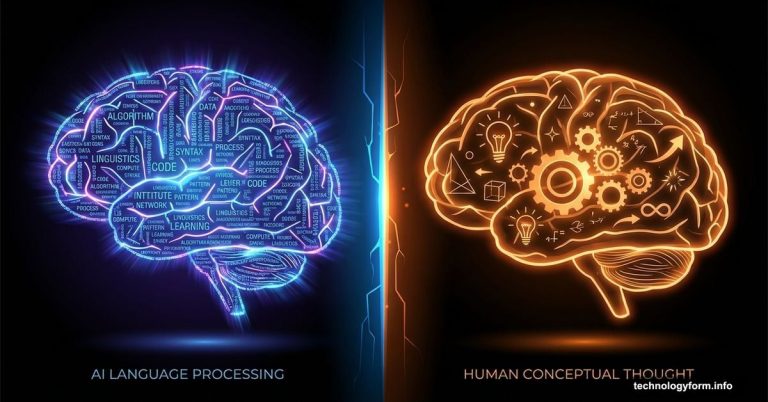
Don’t outsource your thinking to AI. A recent MIT study found “weaker neural connectivity” in participants who used ChatGPT regularly.
That’s alarming. Overreliance on AI might literally change your brain. It weakens the neural pathways responsible for critical thinking, creativity, and problem-solving.
Use AI for low-level tasks like scheduling or summarizing information. But keep the creating, thinking, and strategizing in your own hands. Otherwise, you risk mental atrophy.
Think of it like physical exercise. Your brain needs workouts too. If you stop challenging yourself intellectually, those skills deteriorate. AI can be a helpful tool, but it shouldn’t replace human cognition.
So set boundaries. Use chatbots strategically, not reflexively. Protect the parts of your brain that make you uniquely human.
AI chatbots offer convenience and efficiency. But they come with serious privacy and cognitive risks. Treat them with caution. Protect your data, verify information, and maintain real human connections. Your privacy and mental health depend on it.