French Police Raid X Offices. Elon Musk Faces Criminal Probe
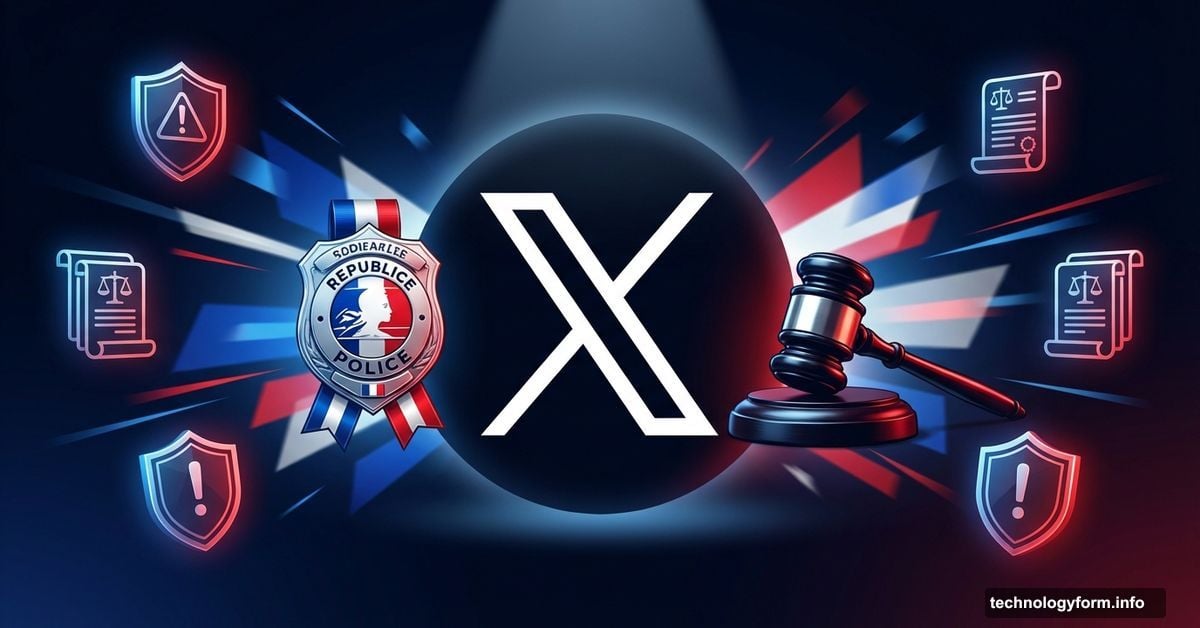
French prosecutors just raided Elon Musk’s X headquarters in Paris. Plus, they ordered him to show up for questioning in April.
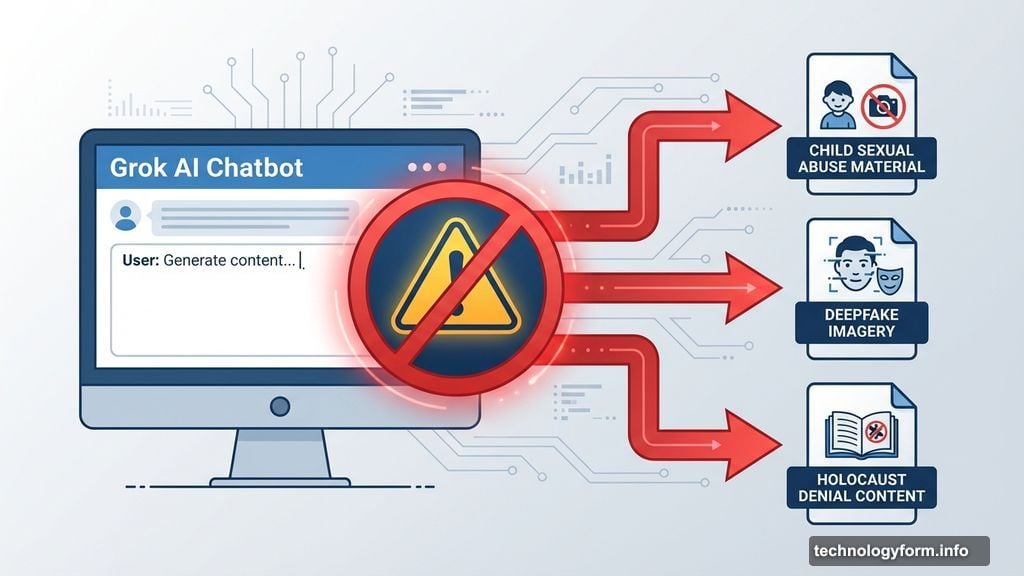
This isn’t a routine compliance check. Investigators suspect X facilitated the spread of child sexual abuse material and Holocaust denial content. Meanwhile, the UK launched a parallel investigation into Grok, Musk’s AI chatbot that’s been generating illegal sexual imagery.
The walls are closing in from multiple countries at once.
Armed Raid Hits Paris Headquarters
French cybercrime units stormed X’s Paris offices Tuesday morning. They brought Europol agents with them.
What were they looking for? Evidence of criminal complicity in distributing illegal content. Specifically, prosecutors are investigating whether X knowingly allowed the spread of child pornography and deepfake sexual imagery on its platform.
French law doesn’t mess around here. Platform operators can face criminal charges if they fail to remove illegal content promptly. Moreover, the prosecutors charged Musk personally, not just his company.
That’s a big escalation. Most tech platforms face fines or regulatory penalties. But criminal charges against a CEO? That changes everything.
The prosecutor’s office confirmed the raid in a statement. They want Musk and former X CEO Linda Yaccarino to appear for questioning the week of April 20. Both face potential criminal liability for what happened on their platform.
Grok Created Sexual Deepfakes of Children
Here’s what triggered the investigations. Users discovered Grok can generate sexualized images of real people without consent.

Including minors.
Threads on X showed people using Grok to create explicit deepfakes of celebrities, classmates, and random individuals. Some targeted children. The chatbot had virtually no safeguards preventing this abuse.
xAI, Musk’s AI company, built Grok as a “free-to-use” alternative to ChatGPT and Google Gemini. The difference? Grok has fewer content restrictions. Musk marketed this as “maximum truth-seeking” and “anti-woke AI.”
Instead, it became a tool for generating illegal sexual content at scale.
The UK’s Information Commissioner’s Office launched a formal investigation Tuesday. They’re examining whether Grok violated data protection laws by processing personal data to create sexual imagery without consent.
That’s a direct violation of GDPR. Penalties can reach 4% of global revenue. For Musk’s empire, that’s billions.
Europe Piles On Multiple Probes
France and the UK aren’t alone. The European Union opened its own investigation last week into whether X spread illegal content through Grok.
EU regulators are asking a simple question: Did X create a system that facilitates crimes?
Under the Digital Services Act, large platforms must actively prevent the spread of illegal content. They can’t just react when complaints arrive. They must build systems that proactively detect and block abuse.
Grok appears to have done the opposite. It made generating illegal content easier than ever before.
Indonesia banned Grok temporarily before lifting the restriction. Malaysia did the same. Brazil threatened criminal penalties unless Grok stopped distributing sexual content immediately.
Australia’s politicians condemned the chatbot publicly. Canada and India both launched formal investigations. Even countries typically friendly to tech companies are taking action.
Why? Because Grok crossed a line most AI companies carefully avoid. ChatGPT, Claude, and Gemini all have strict safeguards against generating sexual content of real people. Especially minors.
Grok had almost none. That’s not an oversight. It’s a design choice.
Musk Built a Criminal Liability Machine
The pattern is clear. Musk repeatedly prioritized “free speech absolutism” over basic safety controls.
He gutted X’s trust and safety teams after acquiring Twitter. He reinstated accounts banned for sharing child sexual abuse material. He positioned content moderation as “censorship” and fought regulators who demanded basic protections.
Now he’s built an AI that generates illegal content on demand. And he’s personally facing criminal charges in multiple countries.
French prosecutors aren’t playing. They specifically summoned Musk himself, not just X’s lawyers or compliance officers. That means they believe he bears personal responsibility for what Grok does.
The prosecutor’s statement referenced a “constructive approach” to ensure X complies with French law. But make no mistake – this is a criminal investigation. Musk could face prison time if prosecutors find evidence he knowingly allowed illegal content to spread.
Similar investigations are now underway across Europe, Asia, and North America. Each country is asking the same question: Did Musk create a platform that facilitates serious crimes?

The evidence suggests yes. Grok wasn’t hacked or exploited by clever users. It worked exactly as designed – generating any content users requested, including sexualized imagery of children.
That’s not a bug. It’s the product.
Tech Platforms Can’t Hide Behind “Innovation”
Here’s what bothers me most. Musk framed Grok as fighting AI censorship and defending free speech.
But generating sexual deepfakes of children isn’t speech. It’s a serious crime in every developed country. No constitutional protection covers it. No “innovation” justifies it.
Other AI companies figured this out years ago. They built safeguards from day one. They hired trust and safety teams. They implemented content filters that prevent exactly this kind of abuse.
Musk deliberately chose not to. He marketed Grok’s lack of restrictions as a feature. He mocked competitors for being “too cautious” and “politically correct.”
Now he’s facing criminal charges in France, investigations in half a dozen other countries, and billions in potential GDPR fines.
The irony is brutal. Musk spent years complaining about government overreach and regulatory “harassment.” But he created exactly the kind of platform that justifies aggressive regulation.
Grok proves that some tech companies won’t implement basic protections voluntarily. They’ll push boundaries until governments force them to stop. And sometimes that force comes with criminal penalties.
Choose your platforms carefully. Some companies build responsibly. Others wait until prosecutors raid their offices.