Spotify Just Made Audiobooks Work With Physical Books
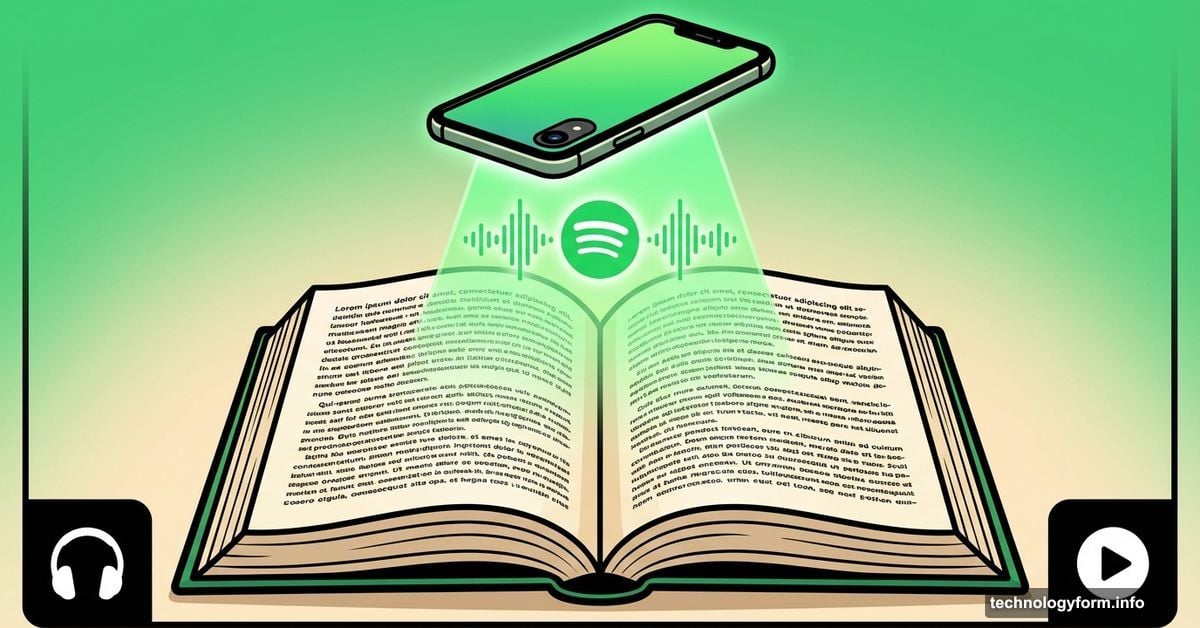
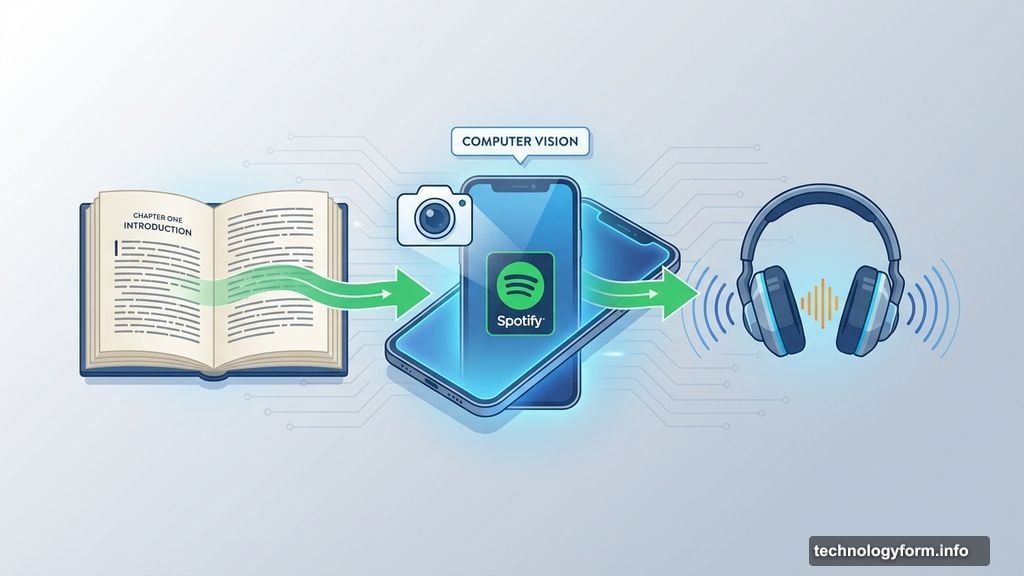
Spotify launched Page Match. Point your phone at a page. The app finds that exact spot in the audiobook.
Sounds simple. But this could change how people switch between reading and listening. Instead of hunting through chapters or scrubbing through audio, you just snap a photo.
How Page Match Actually Works
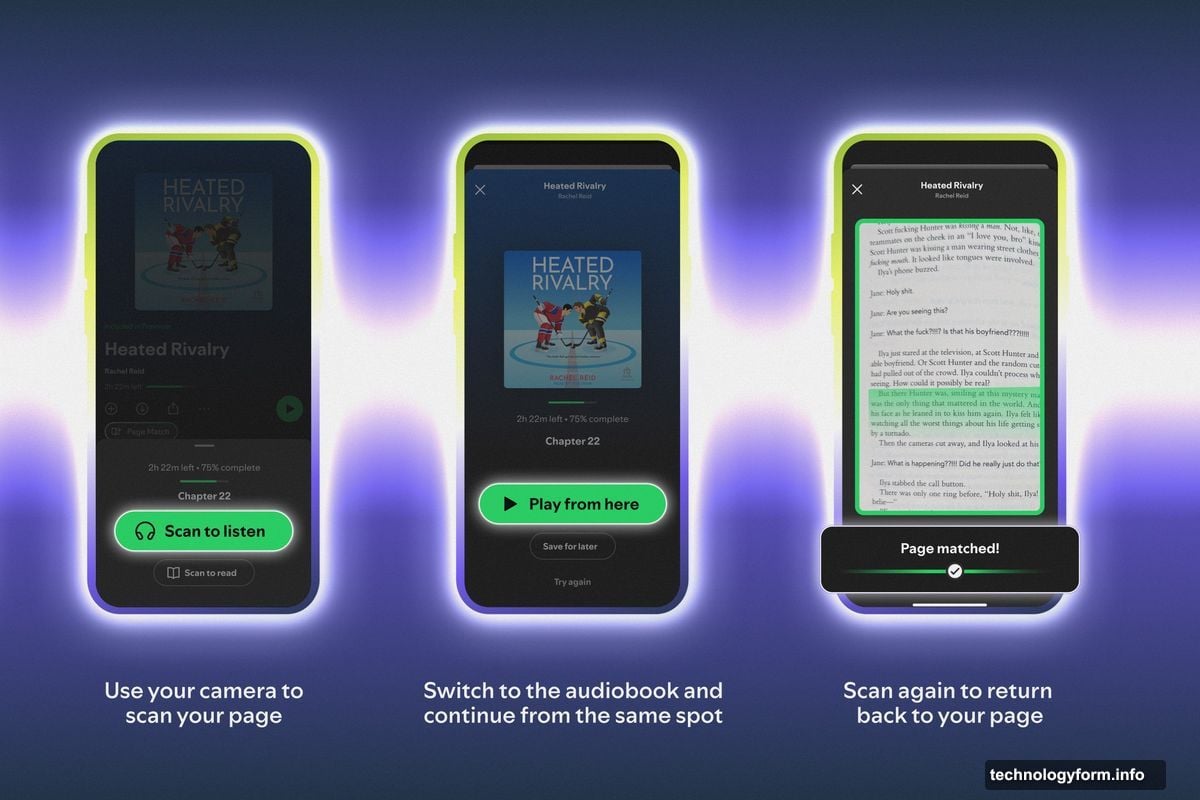
Open the Spotify app. Select your audiobook. Tap the Page Match feature. Then hold your phone’s camera over the page you’re reading.
The app scans the text using computer vision. Within seconds, it matches what you’re reading to the corresponding audio. The audiobook jumps to that exact spot automatically.
Plus, it works in reverse. Already listening but want to switch to the physical book? The app tells you which direction to flip pages. A progress bar guides you forward or backward. Once you reach the right spot, Spotify highlights the exact sentence on your screen.
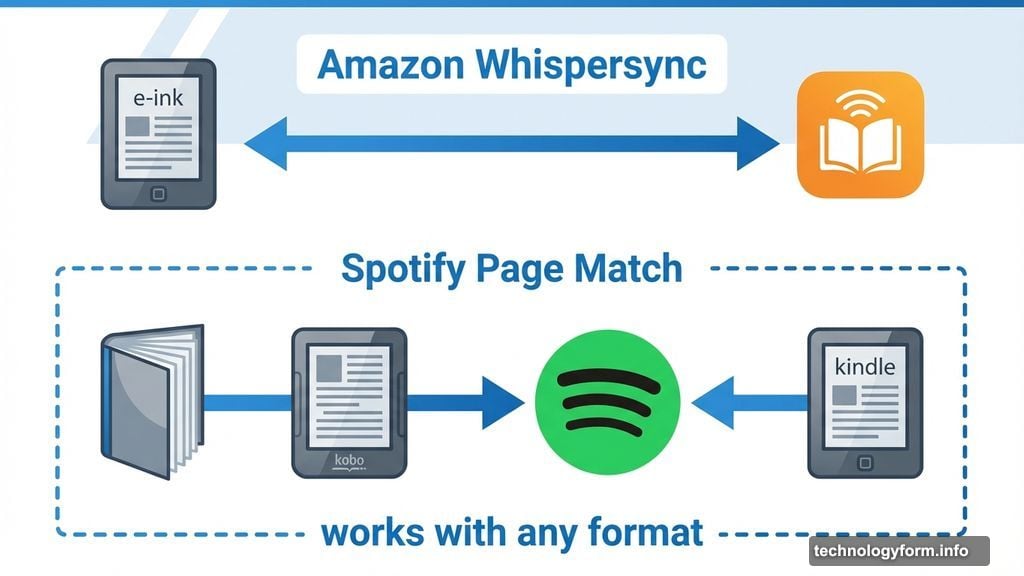
Here’s the clever part. The feature works with physical books and ebooks on any e-reader. So your Kobo or Kindle device? Both supported. The only limitation is that you can’t scan an ebook on your phone since the app needs the camera free.
Testing Revealed Speed Issues
I tried Page Match with several books. Accuracy seemed solid. The app consistently found the right spot in the audiobook.
But speed varied wildly. Sometimes matching took one second. Other times? Ten seconds or more. That’s frustrating when you’re eager to start listening.
The reverse process was even slower. Flipping through pages to find your place took several seconds per page turn. The progress bar that shows how close you are? Too vague to really help. However, practice would probably make this easier.
Still, the feature works well enough for its core purpose. Switching between formats no longer requires guessing or scrolling.
English Only for Now
Page Match launches with “most English-language titles.” Spotify plans to expand language support over time. No timeline given for additional languages.
That’s a significant limitation for multilingual readers. But it makes sense for an initial rollout. Computer vision text matching gets more complex with different character sets and languages.
The catalog already includes over 500,000 audiobooks. That’s up from 150,000 just two years ago. So plenty of content to use Page Match with right now.
Amazon Did This First
Amazon’s Whispersync for Voice offers similar functionality. Switch seamlessly between Kindle books and Audible audiobooks. Amazon launched this years ago.
But Spotify’s approach differs in one critical way. Page Match works with physical books, not just digital ones. Whispersync only syncs between Kindle and Audible ecosystems.
That physical book support matters. Many readers prefer holding actual books. They still want the convenience of audiobooks during commutes or workouts. Page Match bridges that gap without locking you into one digital ecosystem.
Why Spotify Keeps Doubling Down on Books
The company shared revealing statistics at its Turn the Page event. Just 16% of American adults read for pleasure in 2023. That’s shockingly low. But from Spotify’s perspective? Massive growth opportunity.
Over the past year, Spotify saw 36% growth in customers starting audiobooks. Listening hours jumped 37% year-over-year. Most importantly, existing subscribers drive this growth rather than new sign-ups.
Owen Smith, Spotify’s global head of audiobooks, confirmed the strategy. Keep users listening as long as possible. Offering multiple content types achieves that goal. Podcasts brought one wave of growth. Now audiobooks represent the next frontier.
Spotify even partnered with Bookshop.org. Users can now buy physical copies of audiobooks they’re listening to directly through the Spotify app. That’s a complete reversal of the usual flow.
The Bigger Picture
Spotify clearly identified a weakness in how people consume books. Physical and audio formats existed separately. Switching between them meant losing your place or manually searching.
Page Match solves that friction. Not perfectly yet—those speed inconsistencies need work. But the core concept works.
Plus, this positions Spotify as more than a music streaming service. It’s becoming a comprehensive audio platform. Music, podcasts, audiobooks—all in one app with seamless switching.
Amazon should feel nervous. Audible dominated audiobooks for years. But Spotify’s massive user base and aggressive expansion could shift the market. Especially if features like Page Match deliver real convenience that Audible lacks.
The company plans to expand Page Match’s Recap feature to Android this spring. That gives audiobook listeners year-end statistics similar to Spotify Wrapped. More engagement hooks to keep users invested.
Worth Trying If You Mix Formats
Page Match targets a specific user. Someone who reads physical books but also listens to audiobooks during commutes. That’s more people than you might think.
The feature removes friction. No more losing your place when switching formats. No more skipping around trying to find the right chapter.
Speed issues aside, the concept works. And Spotify will likely improve performance over time as the machine learning models get better.
For now, it’s a solid first version of a genuinely useful feature. One that actually solves a real problem rather than adding unnecessary complexity.