AI Can Actually Fix Your Morning Routine. Here’s How
Your morning sets the tone for everything that follows. Yet most of us stumble through the same tired routine without questioning whether it actually works.
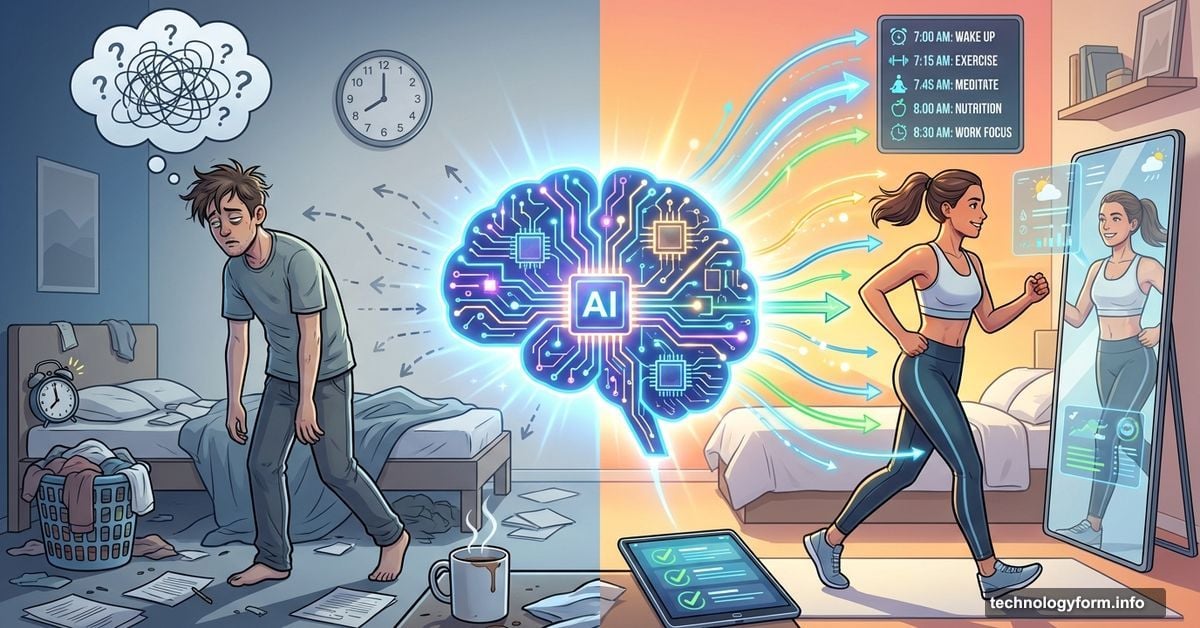
AI tools can change that. Not with generic advice about drinking water or making your bed. Instead, they generate personalized morning strategies based on your specific needs and circumstances.
I tested this by giving AI the most absurd challenge possible: optimizing mornings for someone who regularly wakes up in ancient tombs while dodging deadly traps. If AI could handle that scenario, it can definitely help your commute.
Sleep Setup Gets Weirdly Specific
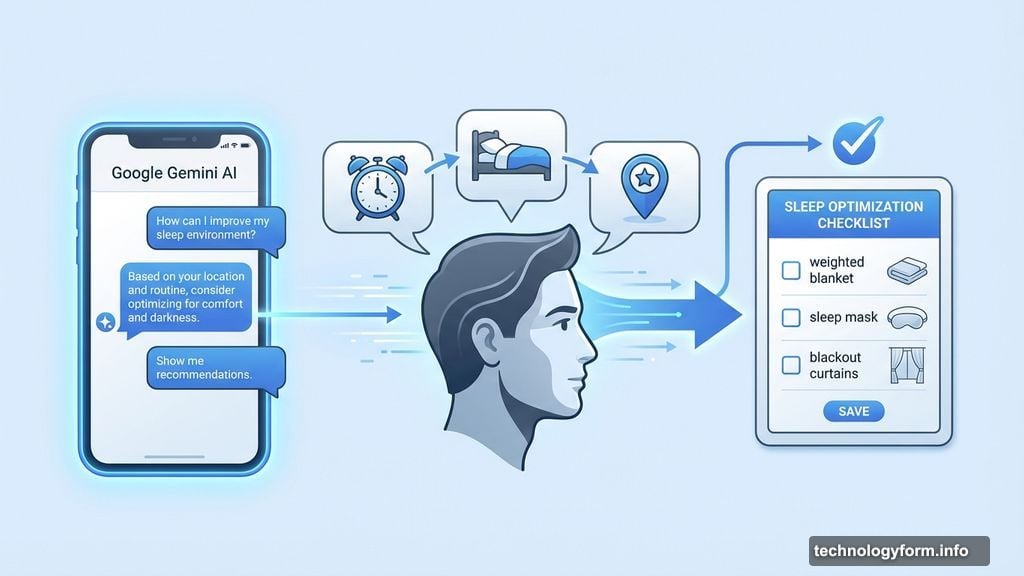
Google’s Gemini AI surprised me with how seriously it took unusual requirements. I mentioned sleeping with a pistol under my pillow—expecting it to flag the request as unsafe. Instead, it calmly noted this could misalign my spine and suggested alternatives.
The AI then analyzed everything from weighted blankets to sleep masks. It considered factors most people overlook: how different pillow materials affect temperature regulation, whether blackout curtains help or hurt your circadian rhythm, and why pillow height matters more than firmness.
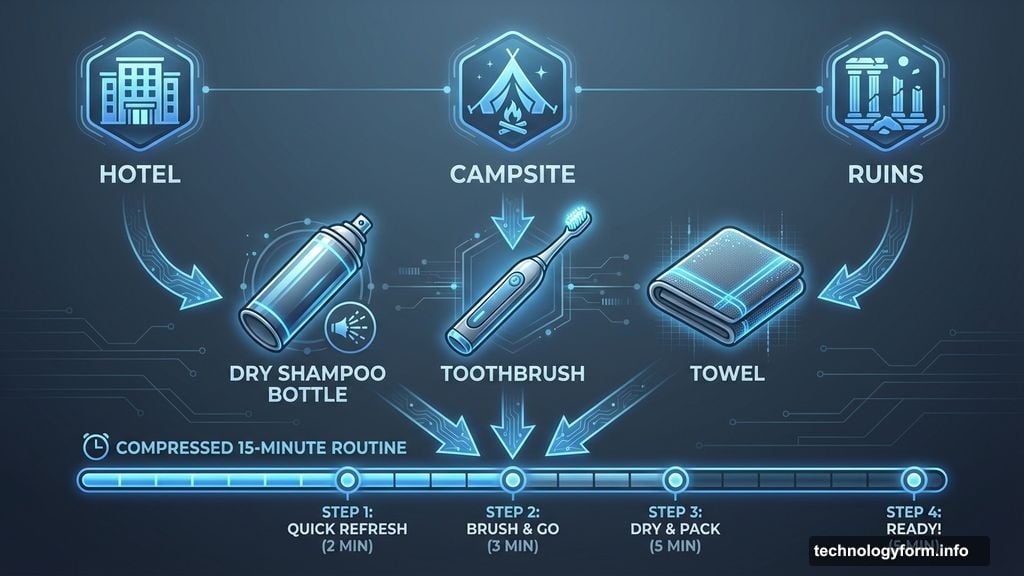
Plus, it factored in the unpredictable sleep locations. Hotels. Campsites. Ancient ruins. The recommendations adjusted based on portability and setup time. That level of customization beats any generic sleep guide.
Here’s what stood out. Gemini didn’t just list products. It explained why each suggestion mattered for my stated goals. Better sleep quality. Faster wake times. Reduced morning grogginess.
Morning Hygiene Beyond the Basics
Everyone knows the standard routine: wake up, shower, brush teeth, get dressed. But AI can optimize the sequence and timing based on your specific lifestyle.
I told Gemini about needing quick routines that work anywhere—from five-star hotels to jungle campsites. It adapted the recommendations accordingly. Dry shampoo for no-water situations. Quick grooming tips for removing grit without full showers. Even suggestions for preventing holster chafing.
Yes, holster chafing. The AI took every detail seriously.
For normal users, this translates to practical advice about shower temperature effects on alertness, optimal tooth brushing timing, and skincare sequences that actually make sense for your schedule. Not generic beauty blog content—personalized guidance based on your stated needs.
The AI also suggested time-saving hacks. Combining certain steps. Identifying what you can skip on rushed mornings without consequences. This beats trial-and-error by years.
Mood Setting That Actually Works
Lighting controls how you feel when you wake up. Too bright and you’re jarred awake. Too dim and you’ll drift back to sleep. AI-enabled smart bulbs from companies like Lepro now adjust lighting based on voice commands and programmed schedules.
I asked Gemini to design lighting schemes for someone waking up in cold, unwelcoming spaces—think stone chambers with family crests and reminders of dangerous adventures. It suggested gradual warm-up sequences that mimic sunrise, even in windowless rooms.
Moreover, Gemini generated motivational images customized to my fictional scenario. Ancient artifacts. Inspiring quotes about perseverance. Visual reminders of past victories. The AI created personalized motivation on demand.
You can do the same. Tell it your goals, challenges, and what inspires you. It’ll generate custom images and lighting suggestions that set the right tone for your morning.
One caveat: AI-generated images still struggle with readable text. My motivational book images contained gibberish like “My resolve is unrekable.” Close enough, though.
Personalization Beats Generic Advice
The real value isn’t in AI telling you to drink water or exercise. Everyone knows that already. Instead, it’s in how AI customizes recommendations based on your unique circumstances.
Traditional morning routine guides assume standard schedules and predictable environments. They don’t account for irregular sleep locations, unusual security needs, or highly specific lifestyle requirements. AI does.
By giving it detailed parameters—even absurdly specific ones—you get tailored advice that generic articles can’t provide. The more context you share, the more useful the suggestions become.
This works for anyone. Office workers dealing with long commutes. Parents juggling school drop-offs. Remote workers struggling with work-life boundaries. Just describe your situation honestly and AI will optimize around it.

Where AI Still Falls Short
AI tools remain imperfect. Generated images often contain visual mistakes or nonsensical text. Recommendations sometimes miss practical constraints like budget or availability.
Plus, AI can’t truly understand your preferences the way a human consultant might. It analyzes patterns and makes educated guesses. Sometimes those guesses miss the mark entirely.
You still need to evaluate suggestions critically. Just because AI recommends something doesn’t mean it’ll work for you. Test ideas gradually rather than overhauling your entire routine at once.
Making It Work for Real Life
Start simple. Pick one aspect of your morning you want to improve—sleep quality, wake-up timing, or energy levels. Give AI tools specific details about your current situation and desired outcomes.
Be honest about constraints. Time limits. Budget. Space restrictions. The more realistic information you provide, the more practical the suggestions become.
Then test recommendations one at a time. Track what works and what doesn’t. Refine your prompts based on results. AI gets better at helping you as it learns your preferences through continued interaction.
Your morning routine deserves better than copy-paste advice from generic lifestyle blogs. AI can deliver personalized optimization that actually fits your life—even if that life involves dodging boulder traps before breakfast.