Apple’s Walled Garden Has a Few New Doors: Alternative App Stores Worth Knowing About
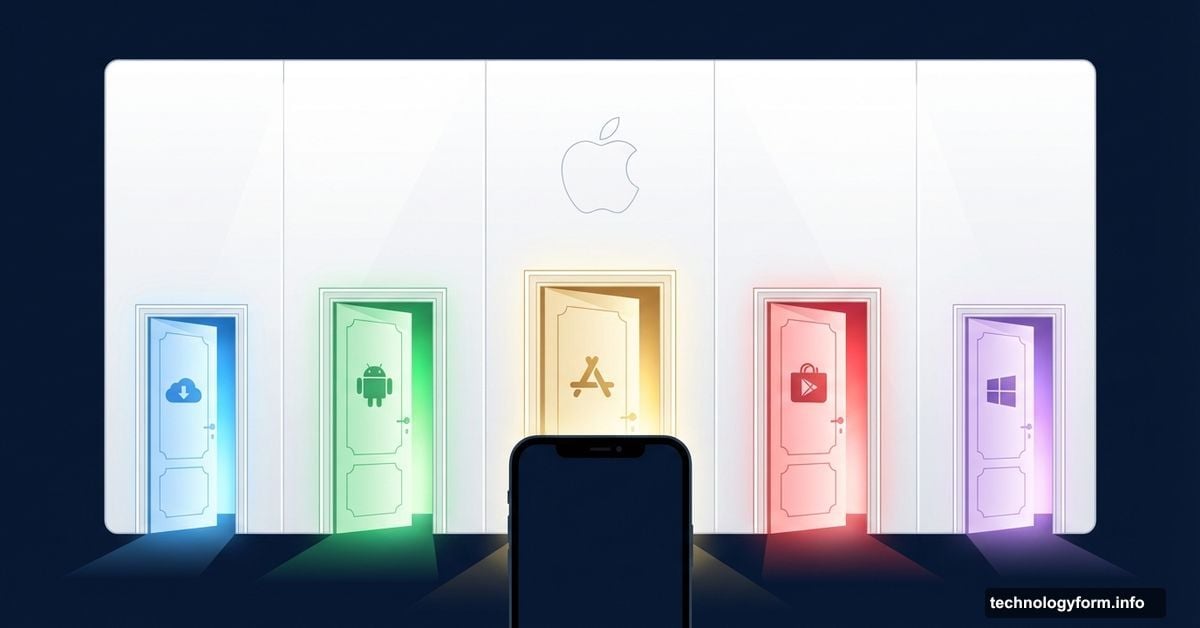
For years, if you wanted to install an app on your iPhone, you had exactly one option: Apple’s App Store. That’s still true in most of the world. But in Europe and a handful of other markets, things are starting to look a little different.
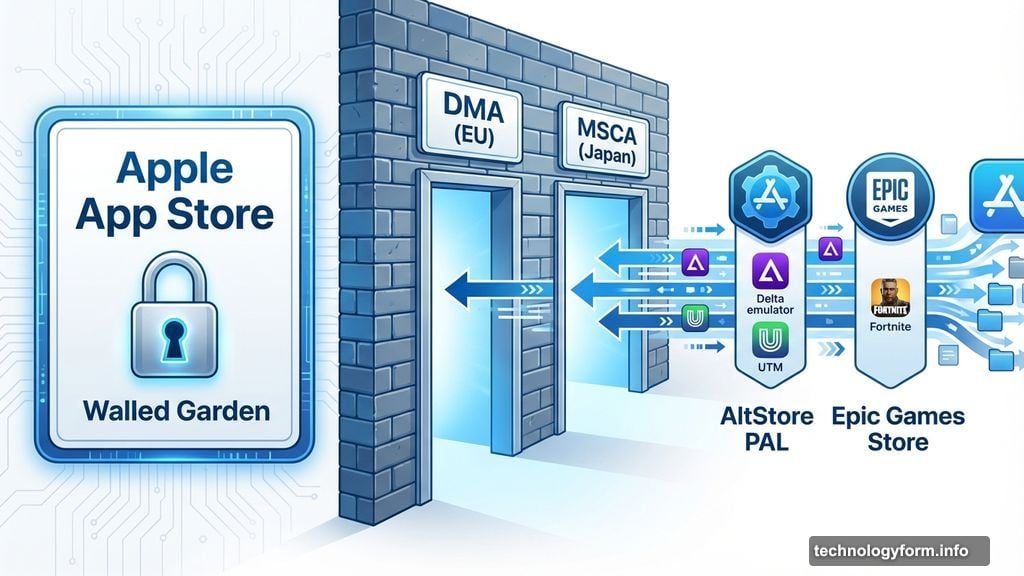
Thanks to a regulation called the Digital Markets Act (DMA), iPhone users in the EU can now download apps from third-party marketplaces. Japan is following a similar path through its own Mobile Software Competition Act (MSCA). The idea behind both rules is straightforward — more competition means more choices for consumers and better deals for developers.
So what actually exists out there right now? Let’s walk through the alternative app stores you can actually try today.
How Alternative iOS Marketplaces Work
Before diving into the stores themselves, it helps to understand what makes them different from Apple’s App Store.
Apps on alternative marketplaces still go through Apple’s notarization process. Think of it like a basic health check — Apple confirms the app isn’t malware and meets minimum safety standards. But beyond that baseline, each store sets its own rules for what gets approved and how.
One big catch for developers: running an alternative marketplace isn’t free. Apple charges a Core Technology Fee of €0.50 per first annual install, even before a marketplace hits one million downloads. That’s a real cost, and it’s part of why some stores have already struggled to survive.
AltStore PAL Keeps It Open and Independent
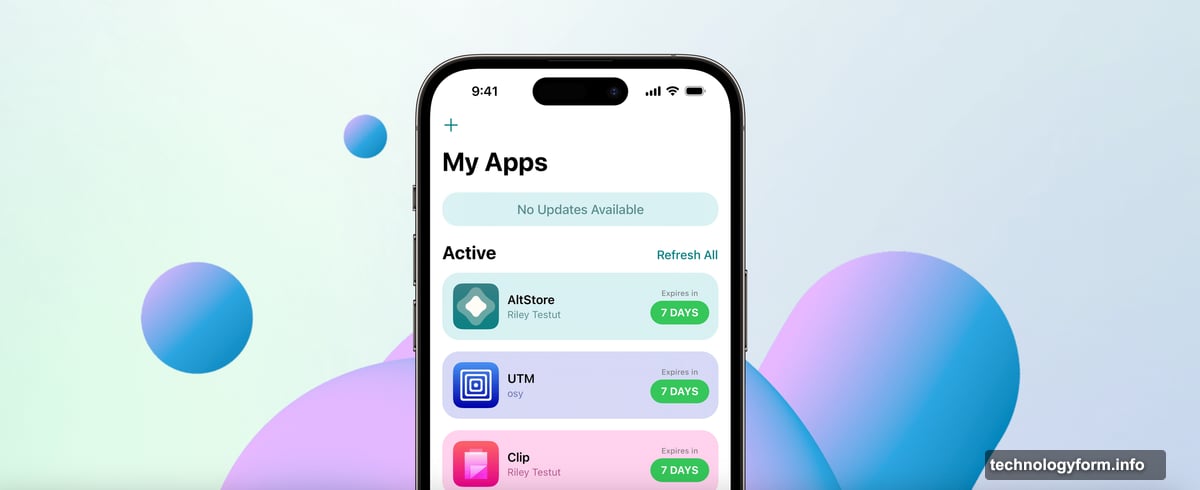
AltStore PAL is probably the most interesting alternative store for curious users who love tinkering. Riley Testut, the developer behind the popular Nintendo game emulator Delta, co-created it as an open source marketplace specifically for EU users.
The store works differently than most. Developers self-host their own apps by downloading an alternative distribution packet and uploading it to their own server. That means AltStore doesn’t curate a central catalog — instead, users add their own “sources” to discover and install apps.
It sounds technical, but the community has already gathered some genuinely cool finds. Popular additions include UTM, a virtual machine app that lets you run Windows directly on your iPhone or iPad. There’s also OldOS, a beautiful recreation of iOS 4 built in SwiftUI for the nostalgia crowd, plus torrenting tools and the social discovery app PeopleDrop. Epic Games has even partnered with AltStore PAL via a direct grant to support the platform.
Epic Games Store Brings Fortnite Back to iPhone
If you remember the dramatic falling-out between Epic Games and Apple back in 2020, this one feels particularly satisfying. Apple removed Fortnite from the App Store after Epic violated its payment policies. Four years of legal battles followed.
Now, Epic has launched its own alternative iOS app store in the EU, and Fortnite is back on iPhone — just not through Apple’s storefront. The Epic Games Store launched in August 2024 and includes games like Rocket League Sideswipe and Fall Guys alongside Fortnite, with more titles on the way.
Epic is also supporting other alternative stores. The company has distributed its games through AltStore PAL and Aptoide’s iOS store, signaling a broader push to establish a presence across multiple EU marketplaces rather than betting everything on one platform.
Aptoide Brings Its Android Reputation to iOS
If you’ve used Android for a while, you might already know Aptoide. The Lisbon-based company runs one of the biggest Google Play alternatives, boasting over one million apps and more than 430 million users across Android, web, car, and TV platforms.
Its iOS version launched as an invite-only beta in June 2024 and opened to all EU users shortly after. Aptoide focuses specifically on games for its iPhone store and describes itself as an open source distribution solution. The company scans apps to verify they’re safe before listing them.
Aptoide is free for users. Instead, it takes a 10% to 20% commission on in-app purchases from developers, depending on how the purchase was generated. That’s a friendlier cut than Apple’s standard 30% commission on most transactions.
Skich Swipes Right on App Discovery
Skich takes an approach nobody else is trying. Instead of a traditional browsing grid, it uses a Tinder-style swipe interface for finding apps. Swipe right on something that looks interesting, swipe left to skip it.
Beyond the swipe mechanic, Skich lets users create app playlists and see what their friends are currently playing — a genuinely social angle that feels fresh in a space that’s been largely grid-based since 2008. The platform announced its EU alternative app store last March and targeted game developers at the Game Developers Conference to build out its catalog early. Skich takes a 15% commission on purchases.
Onside Covers Both EU and Japan
Onside stands out as one of the few alternative stores already operating in multiple markets. It launched in the EU and expanded to Japan on February 17, 2026, right when Japan’s new regulations took effect.
The store pitches itself on lower developer fees and strong security, including keeping payment information private from developers. It currently supports bank card payments and Apple Pay, with plans to add iDeal, Klarna, and other options later. For users, Onside offers editorial collections, ratings and reviews, and automatic updates — the familiar features you’d expect from any polished app store.
Mobivention Solves a Niche Business Problem
Not every alternative store is trying to compete with Apple’s consumer-facing App Store. Mobivention is squarely aimed at businesses that need to distribute internal apps to employees without going through Apple’s standard review process.
Think of it as a corporate intranet for apps. Companies can use Mobivention’s marketplace to push employee tools, custom business software, and internal utilities that aren’t meant for public distribution. Larger organizations can even license the underlying technology to build a fully customized, branded app store just for their teams.
Setapp Mobile Already Came and Went
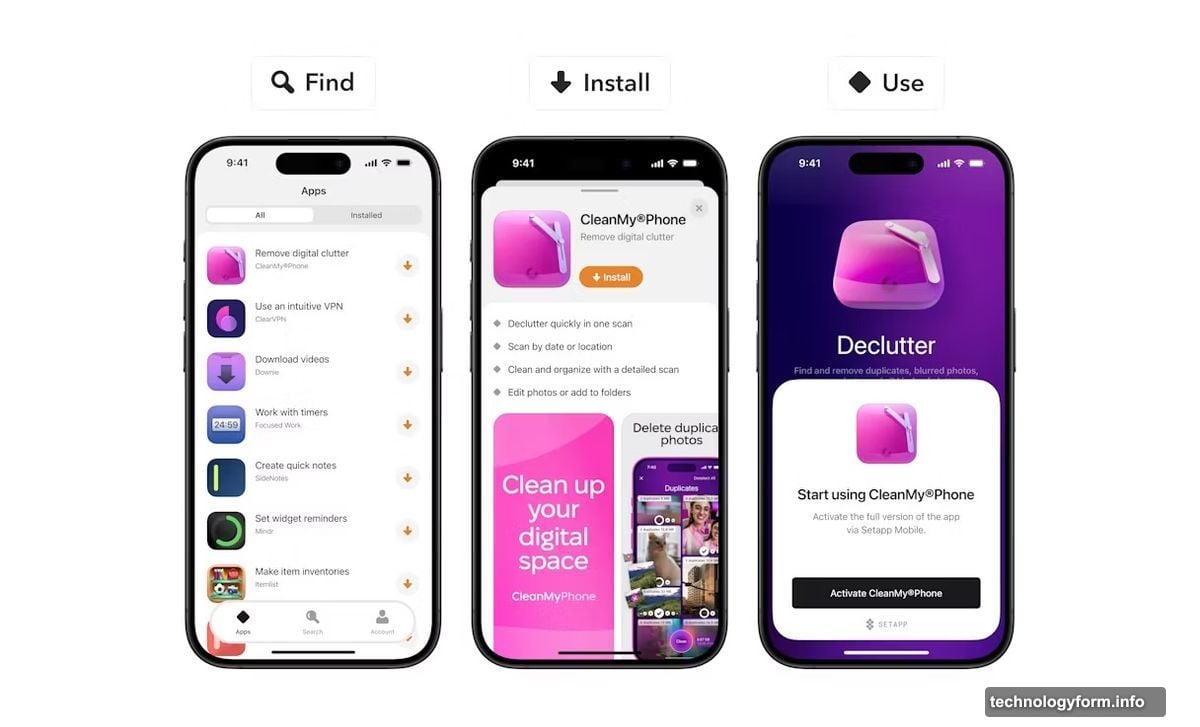
Not every alternative marketplace made it. MacPaw’s Setapp Mobile launched with real promise — a subscription model bundling dozens of high-quality, ad-free apps under one monthly price, similar to what Setapp already offers on Mac. It was genuinely appealing.
But in February 2026, MacPaw announced it was shutting down Setapp Mobile on iOS. The reason? Apple’s business terms were described as “still-evolving” and too complex to build a sustainable business around. The desktop version of Setapp wasn’t affected, but the iOS experiment is over for now.
Setapp’s exit is a useful reminder that alternative app stores face real structural challenges. Apple’s Core Technology Fee and the complexity of its DMA compliance terms make this a difficult business even for well-funded, experienced companies.
What This Means for iPhone Users Right Now
If you’re in the EU or Japan, you now have genuine options beyond Apple’s App Store. That’s meaningful, even if the selection in most alternative stores is still thin compared to what Apple offers.
The stores most worth trying today are AltStore PAL, if you like exploring indie and community-sourced apps, and the Epic Games Store, if you want Fortnite or other Epic titles back on your phone. Aptoide is solid for mobile gaming, and Onside is worth watching as it expands into new markets.
The broader picture is still developing. Some stores will thrive, others will follow Setapp Mobile out the door. But the fact that alternatives exist at all represents a real shift in how iPhone software distribution works — and competition, even in its early stages, tends to push things in a better direction for everyone.