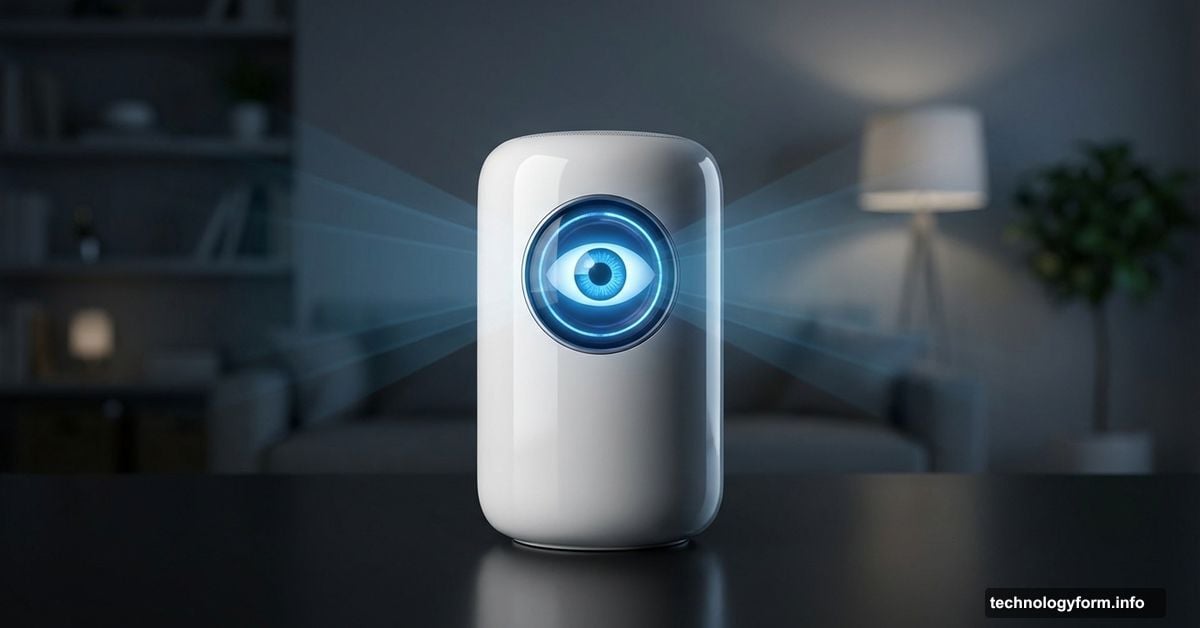
OpenAI’s Smart Speaker Is Coming in 2027, and It’s Watching More Than You Think
OpenAI is building hardware now. And the first product headed to your home is a smart speaker unlike anything currently on the market.
According to reporting by The Information, OpenAI has assembled a team of over 200 employees working on a range of AI-powered devices. The smart speaker leads the lineup, and it’s scheduled to arrive in early 2027. But this isn’t just another voice assistant sitting on your countertop.
This Speaker Has Eyes, Not Just Ears
Most smart speakers listen. OpenAI’s version does that too, but it also watches.
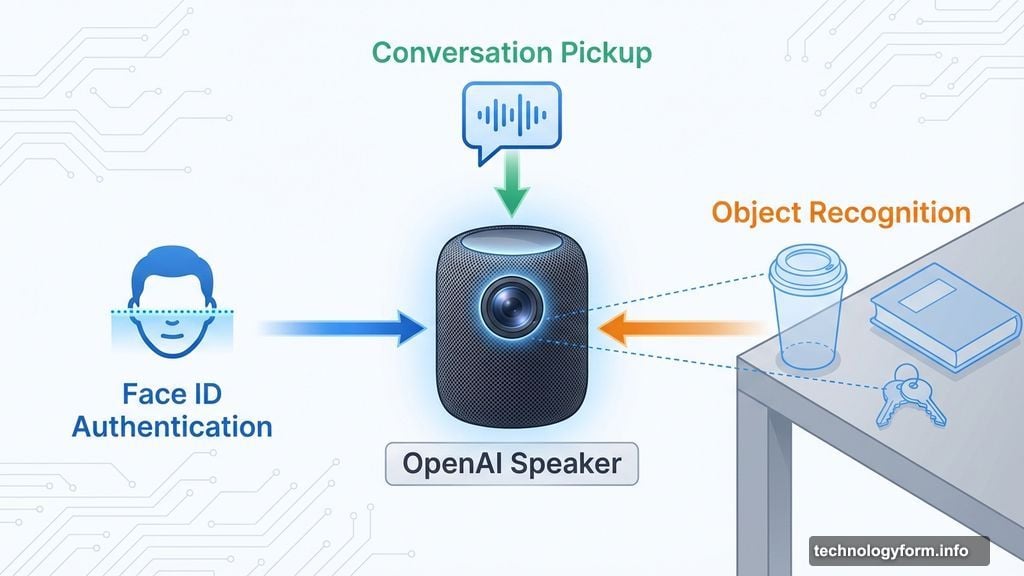
The device includes a built-in camera designed to absorb information about your surroundings. According to a person familiar with the project, it can identify objects sitting on a nearby table. It can also pick up on conversations happening around it.
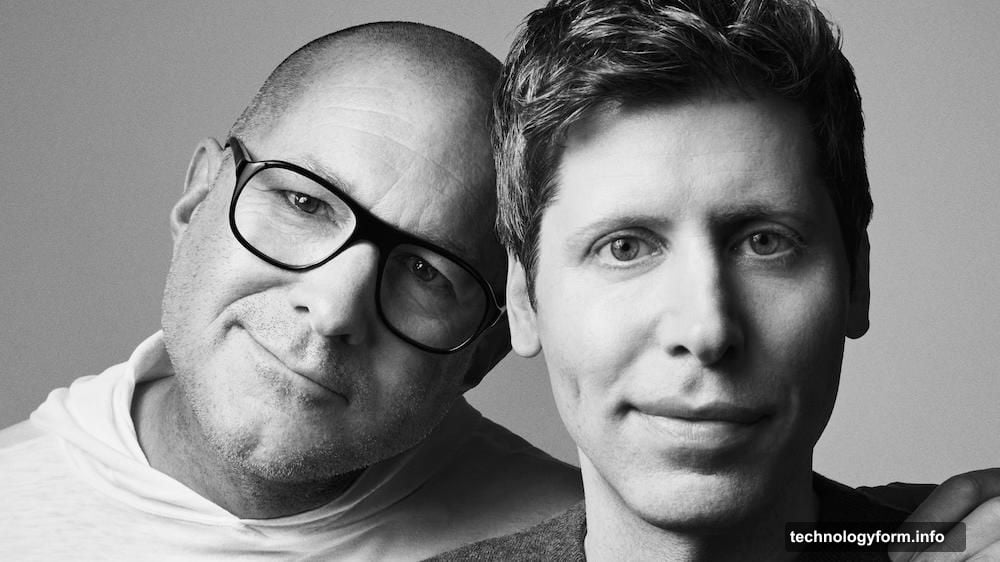
So think of it less like a speaker and more like an AI observer permanently stationed in your home. That’s a meaningful shift from what Alexa or Google Home currently do.
Plus, the camera supports a facial recognition feature similar to Apple’s Face ID. That means users can authenticate purchases just by looking at the device. No PIN, no password. Just your face.
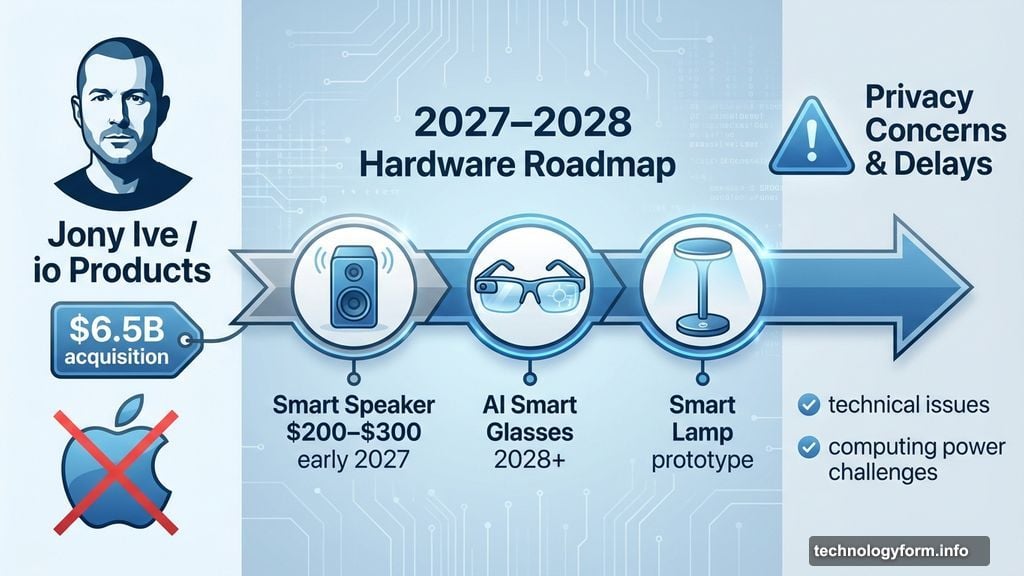
The speaker is expected to retail between $200 and $300, landing it squarely in premium smart home territory.
Jony Ive Is Behind the Design
The hardware ambitions here run deeper than a single product.
Last year, OpenAI acquired io Products, the AI-focused design startup from legendary ex-Apple designer Jony Ive, for $6.5 billion. Ive spent decades at Apple shaping the look and feel of nearly every major product the company released, from the iMac to the iPhone to the Apple Watch. He left in 2019 before launching his own venture.
Now he’s leading hardware development at OpenAI. That’s a serious creative force behind whatever ends up shipping.
Beyond the speaker, the company is reportedly working on AI-powered smart glasses and a smart lamp. The glasses, currently a space dominated by Meta with its Ray-Ban collaboration, wouldn’t arrive until 2028 at the earliest. As for the lamp, prototypes exist but it’s unclear whether it will actually reach consumers.
Privacy Concerns Are Already Slowing Things Down
Getting here hasn’t been smooth. Reporting indicates the project has already run into delays caused by technical issues, privacy concerns, and challenges around the computing power needed to run AI at scale in a consumer device.
Those privacy concerns feel especially relevant given what this speaker is designed to do. A device that watches your face, listens to your conversations, and maps objects in your home raises real questions that go beyond typical smart home worries.
Consumers have already pushed back on always-on microphones. Adding a camera with object recognition and facial ID into that equation creates an entirely different level of scrutiny. OpenAI will need a convincing answer to the question of what happens to all that data.
The AI Hardware Race Just Got More Interesting
OpenAI entering the hardware space is a significant move. Right now, Amazon, Google, and Apple own the smart speaker market. Meta is pushing hard on wearables. Each of these companies has spent years building trust with consumers around connected home devices.
OpenAI is newer to that trust conversation. ChatGPT has millions of users who clearly find value in AI assistance, but a physical device that lives in your kitchen is a different kind of relationship. It’s always there. It sees things. It remembers context across your day.
Whether consumers warm up to that kind of persistent AI presence remains genuinely unclear. Smart glasses and cameras on speakers sound powerful in a product demo. They sound a lot more unsettling when you imagine them running in your living room every single day.
The team behind this product is talented and well-funded. The vision is ambitious. But the real test isn’t the technology. It’s whether enough people decide they actually want an AI that watches them at home, not just answers their questions.