xAI Pivots Structure, Doubles Down on Space-Based AI
Elon Musk’s AI lab just went public with its all-hands meeting. And the revelations are wild.
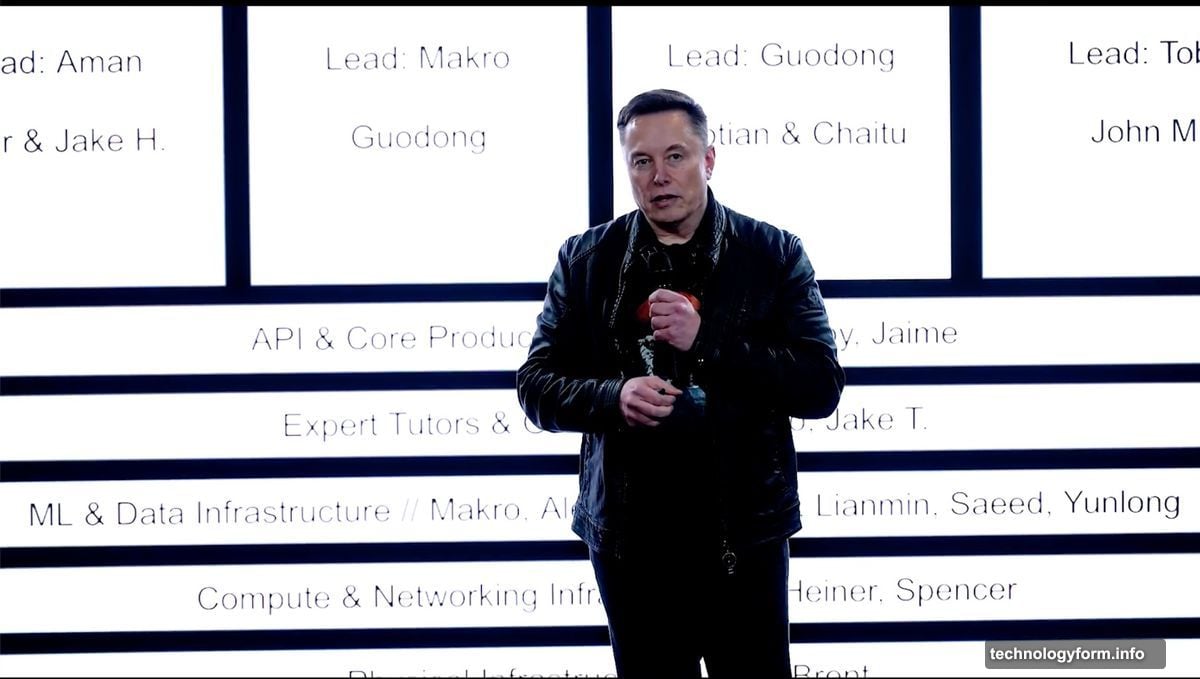
On Wednesday, xAI posted a full 45-minute internal meeting video on X. No filters. No corporate polish. Just Musk and his team laying out plans that stretch from chatbot improvements to moon-based AI factories.
The timing matters. The New York Times reported on the meeting first. So xAI likely posted the video to control the narrative. Smart move, but it exposed some uncomfortable truths about the company’s direction.
Layoffs Hit the Founding Team Hard
Musk didn’t sugarcoat it. xAI just cut employees, including founding team members.
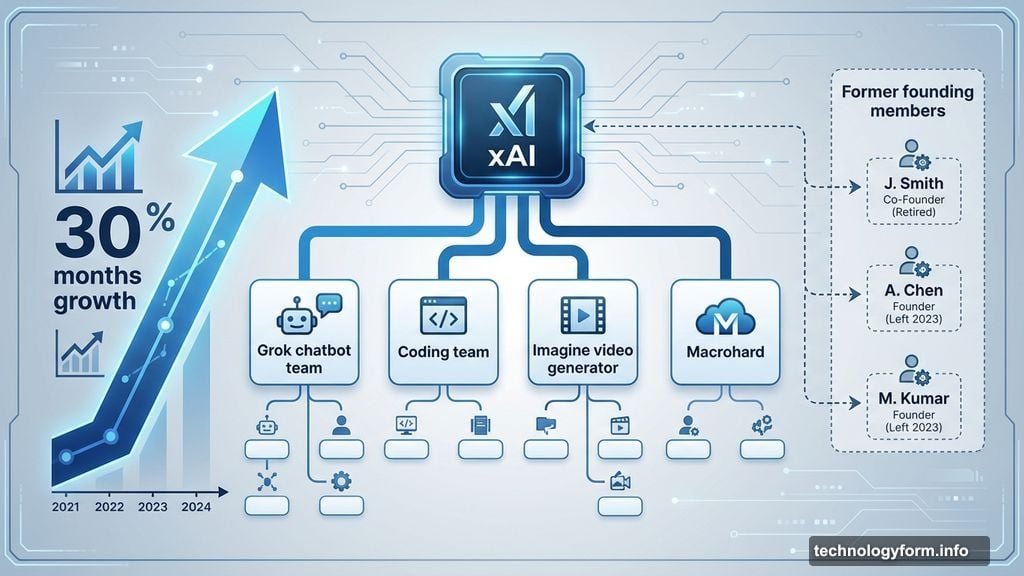
He called it a reorganization. Companies do this all the time as they scale. But losing founding members this early raises eyebrows. These aren’t random hires. They’re people who built xAI from scratch 30 months ago.
“As a company grows, especially as quickly as xAI, the structure must evolve,” Musk posted on X. “This unfortunately required parting ways with some people.”
The explanation feels rushed. Most successful startups keep their founding teams intact through early growth phases. So either xAI’s scaling faster than normal, or something else is driving these changes.
Four Teams, Four Ambitious Projects
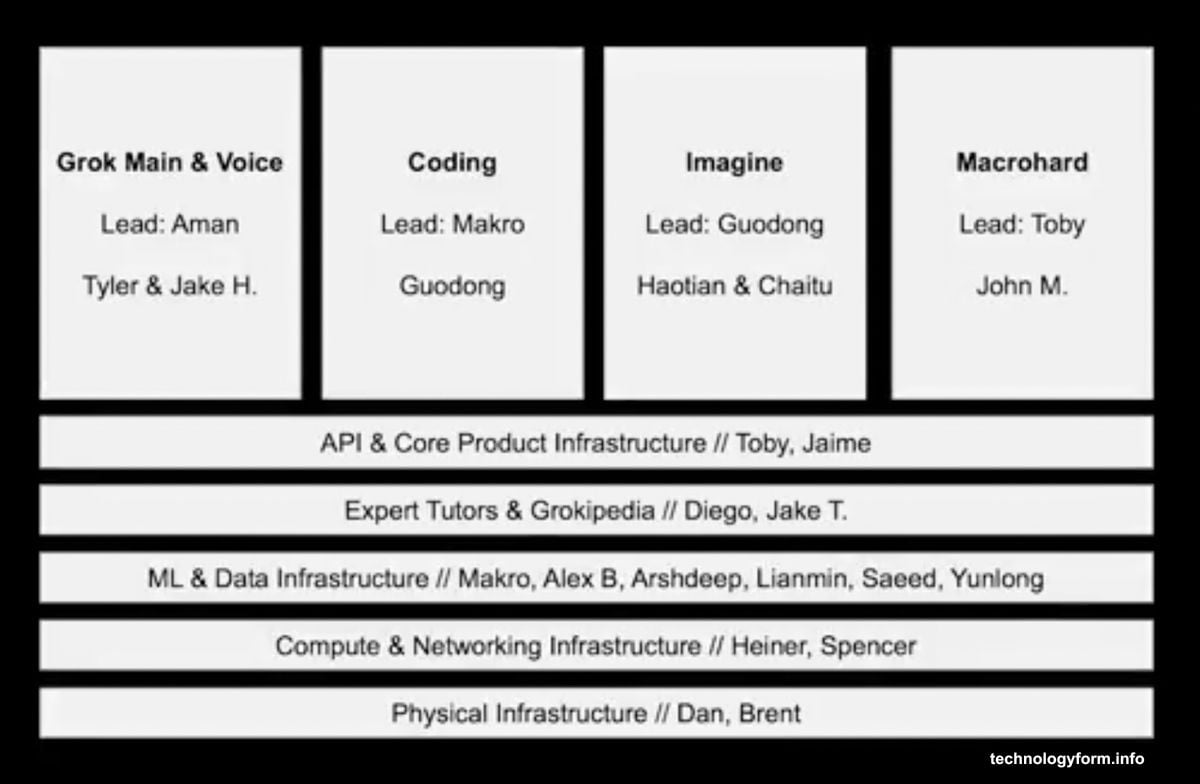
The new structure splits xAI into four core groups. Each tackles a different piece of Musk’s AI vision.
First, there’s the Grok chatbot team. They’re building voice capabilities and improving the conversational AI. Standard stuff for an AI lab competing with ChatGPT and Claude.
Second, a dedicated coding team. They’re working on systems that write and debug software. Again, this tracks with what other labs are doing.
Third, the Imagine video generator team. They’re cranking out AI-generated videos at scale. More on that later.
Fourth, and most interesting, is Macrohard. Yes, that’s the actual name. This team aims to simulate everything from basic computer tasks to entire corporations. Toby Pohlen, who leads the project, explained the scope: “It is able to do anything on a computer that a computer is able to do.”
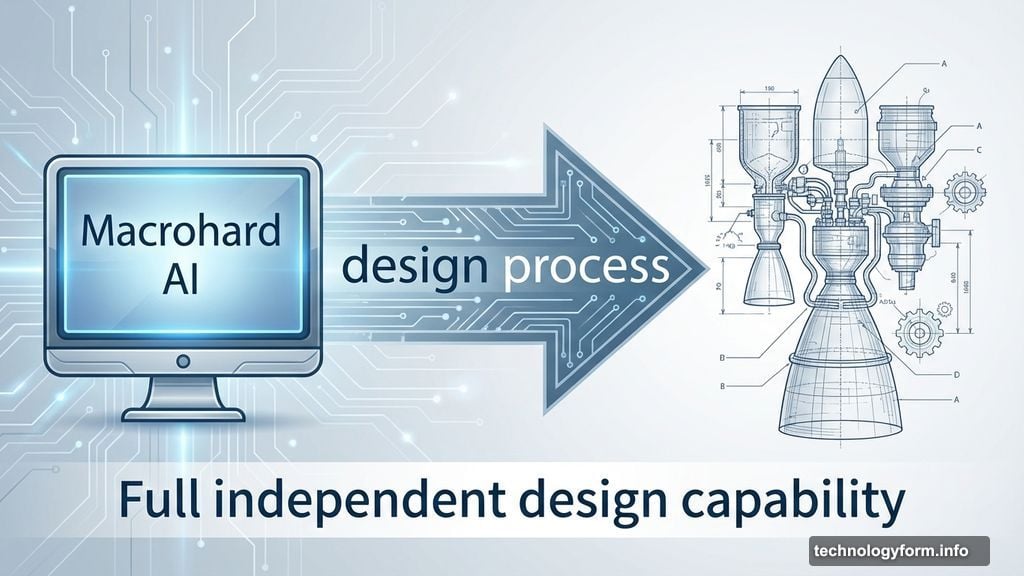
Musk went further. He wants AI designing rocket engines. Not just assisting engineers. Actually creating the full designs independently.
That’s a massive leap from current AI capabilities. But it signals where xAI sees the technology heading.
Revenue Claims and Deepfake Questions
X’s subscription business crossed $1 billion in annual recurring revenue. Nikita Bier, X’s head of product, credited a holiday marketing push.
Meanwhile, xAI’s Imagine tool generated 50 million videos daily and 6 billion images in 30 days. Impressive numbers. Until you remember what was actually being generated.
X got flooded with AI-generated explicit content during that exact period. An estimated 1.8 million sexualized images appeared in just nine days. So those “image generation” metrics likely include substantial deepfake pornography.
Neither Musk nor his team addressed this directly. But the timing is impossible to ignore. High engagement numbers look great. Until you dig into what drove the engagement.
Moon Factories and Solar-Scale Computing
Here’s where things get truly ambitious. Or unhinged. Depends on your perspective.
Musk wants space-based data centers. He’s talked about this before. But now he’s adding lunar manufacturing to the plan.
The vision includes moon-based factories building AI satellites. Plus, an electromagnetic catapult to launch them. With that infrastructure, Musk thinks you could build AI clusters capturing “significant portions of the sun’s total energy output.”
He didn’t stop there. Expansion to other galaxies came up. Seriously.
“It’s difficult to imagine what an intelligence of that scale would think about,” Musk said. “But it’s going to be incredibly exciting to see it happen.”
This is either visionary thinking or science fiction masquerading as business strategy. Probably both.
The technical challenges are enormous. Building anything on the moon requires solving problems we haven’t even started addressing. Power generation, thermal management, radiation shielding, maintenance robotics. The list goes on.
But Musk has a track record of turning impossible-sounding plans into reality. SpaceX landed reusable rockets. Tesla made electric cars mainstream. So dismissing this outright feels premature.
What This Really Means
xAI is trying to do too much at once. Four major product lines. Ambitious infrastructure plans. Rapid scaling that’s forcing layoffs.
Most startups focus obsessively on one thing. xAI is pursuing chatbots, video generation, autonomous computing, and interplanetary AI infrastructure simultaneously.
That works if you have unlimited resources and talent. xAI has both, thanks to Musk’s wealth and X’s platform. But even with those advantages, spreading this thin is risky.
The deepfake problem looms large. X’s engagement surge came from controversial content. xAI’s image generation metrics are inflated by that same content. Neither company has outlined a clear plan to address this.
And the space-based AI vision, while exciting, feels disconnected from immediate business needs. Building better chatbots and coding assistants is hard enough. Adding lunar factories to the roadmap seems like a distraction.
Musk’s companies have succeeded by ignoring conventional wisdom. But they’ve also benefited from intense focus during critical growth phases. Tesla focused on the Model S. SpaceX focused on Falcon 9. xAI is trying to revolutionize everything at once.
That strategy either ends with breakthrough achievements across multiple domains or spectacular failure. We’ll know which in the next few years.