OpenAI Just Killed Its Mission Team. Meet the New “Chief Futurist”
OpenAI disbanded the team responsible for explaining its mission to employees and the public. The move raises questions about the company’s commitment to transparency as it races toward artificial general intelligence.
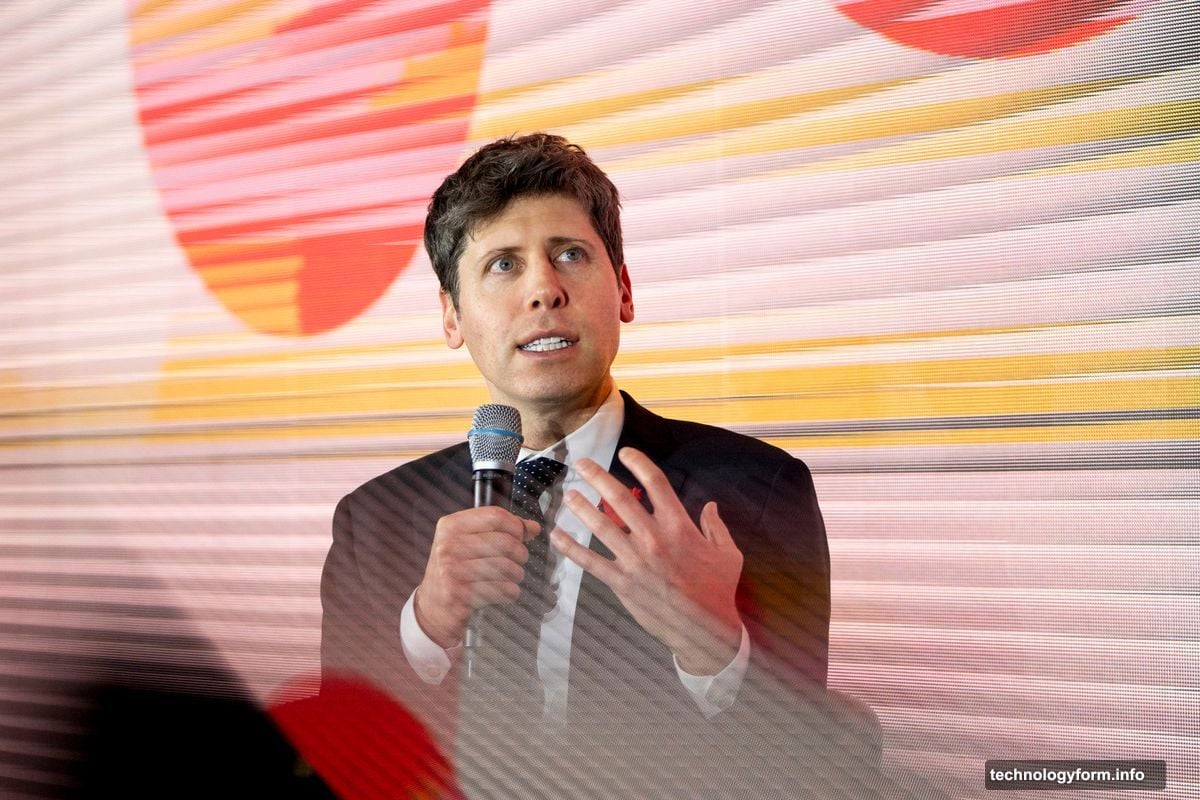
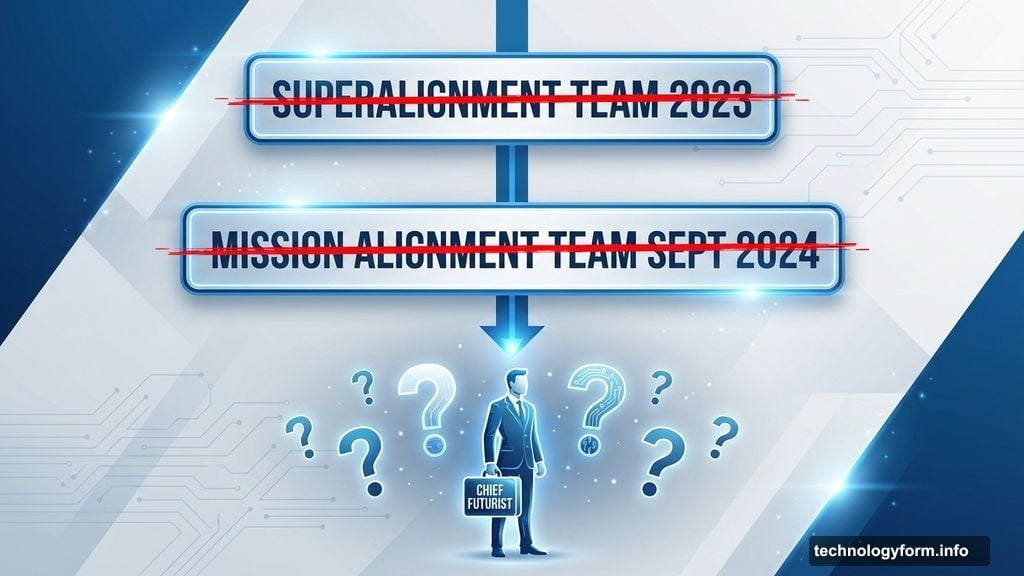
Instead of mission alignment, OpenAI now has a “chief futurist.” Josh Achiam, who led the now-defunct team, got promoted to this new role. But his six or seven team members? Scattered across the company doing “similar work” in unspecified roles.
What Mission Alignment Actually Did
The team launched in September 2024 with a clear purpose. They promoted OpenAI’s stated goal of ensuring AGI benefits all humanity. Plus, they helped employees understand how their work connected to that mission.
Now that work supposedly continues “throughout the organization.” Translation? No dedicated team focuses on it anymore. The responsibility got diffused across OpenAI’s rapidly expanding workforce.
An OpenAI spokesperson called mission alignment a “support function.” That framing tells you everything. Support functions get cut when companies streamline operations. Core functions don’t.
The Pattern Keeps Repeating
This isn’t OpenAI’s first time killing a team focused on long-term AI safety. Remember the “superalignment team” from 2023? That group studied existential threats from advanced AI. OpenAI disbanded it in 2024.
So within two years, OpenAI eliminated two separate teams dedicated to ensuring AI development stays aligned with human welfare. Yet the company keeps saying it prioritizes safety above all else.
The timing matters too. OpenAI disbanded mission alignment while racing to build increasingly powerful AI systems. Scrutiny from regulators, researchers, and the public continues mounting. This seems like exactly when you’d want more focus on mission alignment, not less.
What “Chief Futurist” Actually Means
Achiam’s new role sounds impressive. His goal? Study how the world changes in response to AI, AGI, and beyond. He’ll collaborate with Jason Pruet, an OpenAI physicist.
But what does a chief futurist actually do? The announcement offers no specifics. No team structure. No concrete deliverables. No clear connection to safety or alignment work.
Achiam’s personal website still lists him as head of mission alignment. His LinkedIn shows he held that role since September 2024. That’s roughly five months before OpenAI disbanded the entire team.
Meanwhile, the actual people doing mission alignment work got reassigned. The company couldn’t say where they went or what they’re doing now. Just that they’re engaged in “similar work” somewhere within OpenAI’s structure.
Why This Matters for AI Development
Mission alignment isn’t just corporate messaging. It’s about ensuring employees understand how their technical decisions connect to broader societal impact. Without dedicated focus, those connections fade.
Consider what happens when no team owns this responsibility. Engineers optimize for performance metrics. Product managers chase user engagement. Executives pursue growth targets. Nobody coordinates the bigger picture of whether these advances actually benefit humanity.
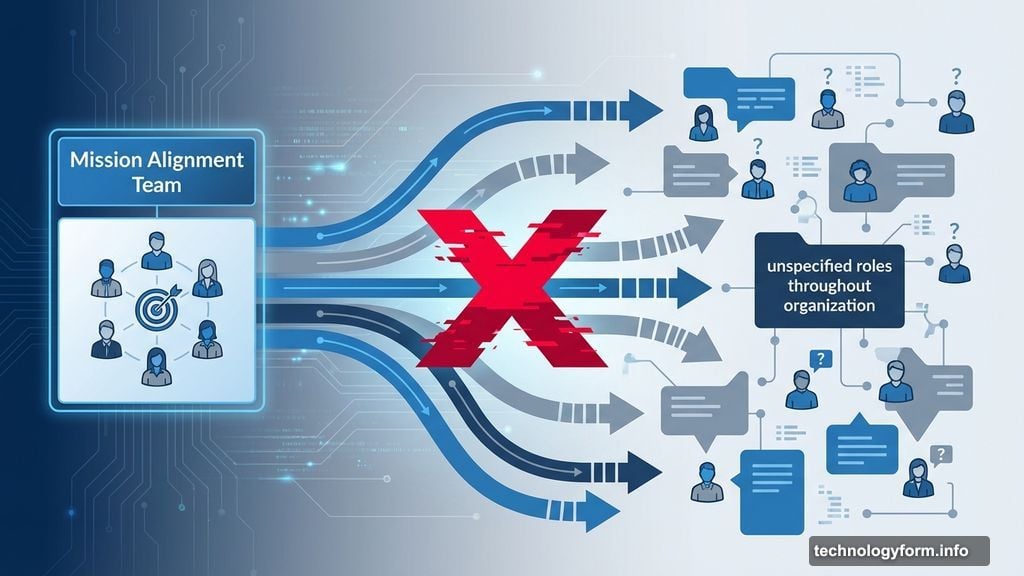
Moreover, disbanding mission alignment sends signals. To employees, it suggests the mission matters less than execution speed. To the public, it raises doubts about OpenAI’s stated commitments. To competitors, it shows OpenAI prioritizing market position over philosophical consistency.
The spokesperson attributed this to “routine reorganizations that occur within a fast-moving company.” Fast-moving, sure. But routine? OpenAI keeps eliminating the exact teams designed to slow down and think carefully about AI’s trajectory.
The Real Cost of Moving Fast
OpenAI faces intense pressure to ship products before competitors. Microsoft invested billions. Google’s Gemini gains ground. Anthropic attracts top researchers. The race to AGI feels existential for every player involved.
But that pressure creates exactly the environment where mission alignment becomes most critical. When everyone sprints toward the finish line, who stops to ask if we’re running in the right direction?
OpenAI positioned itself as the responsible AI company. The one that would develop AGI safely and ensure it benefits everyone. Those aren’t just marketing claims. They’re supposed to be core principles guiding every decision.
Yet the company’s actions tell a different story. Two alignment teams disbanded in two years. Safety researchers leaving. Product launches accelerating. The gap between stated mission and operational reality keeps widening.
What Comes Next
Achiam’s “futurism” work might produce valuable insights. But it’s not the same as having a dedicated team ensuring the entire organization stays aligned with its mission. One person studying long-term impacts can’t replace a team actively shaping daily decisions.
The six or seven former mission alignment members presumably still care about these issues. But without a team structure, their influence dilutes. They become individual voices competing against product deadlines and growth targets.
OpenAI will likely continue shipping impressive AI systems. ChatGPT keeps improving. New capabilities emerge regularly. The technology advances at a remarkable pace.
Whether that technology actually benefits all of humanity? That’s the question the mission alignment team was supposed to help answer. Now nobody’s specifically responsible for asking it.
The irony hits hard. OpenAI disbanded the team focused on ensuring AGI benefits everyone while simultaneously claiming that’s still their core mission. Actions speak louder than mission statements. And these actions suggest OpenAI’s priorities have shifted.