ChatGPT’s New Math Tool Lets You Play With Formulas Instead of Just Reading Them
Some of my clearest childhood memories involve staring blankly at math homework while my parents tried their best to explain something neither of us fully understood. It was a special kind of family bonding nobody actually wanted.
OpenAI clearly understands that pain. And now they’re doing something about it.
The company just launched what it calls interactive learning experiences inside ChatGPT. These aren’t just smarter answers. They’re hands-on tools that let students actually mess around with concepts until something clicks.
Interactive Widgets Make Abstract Math Tangible
Here’s what makes this different from a regular chatbot answer.
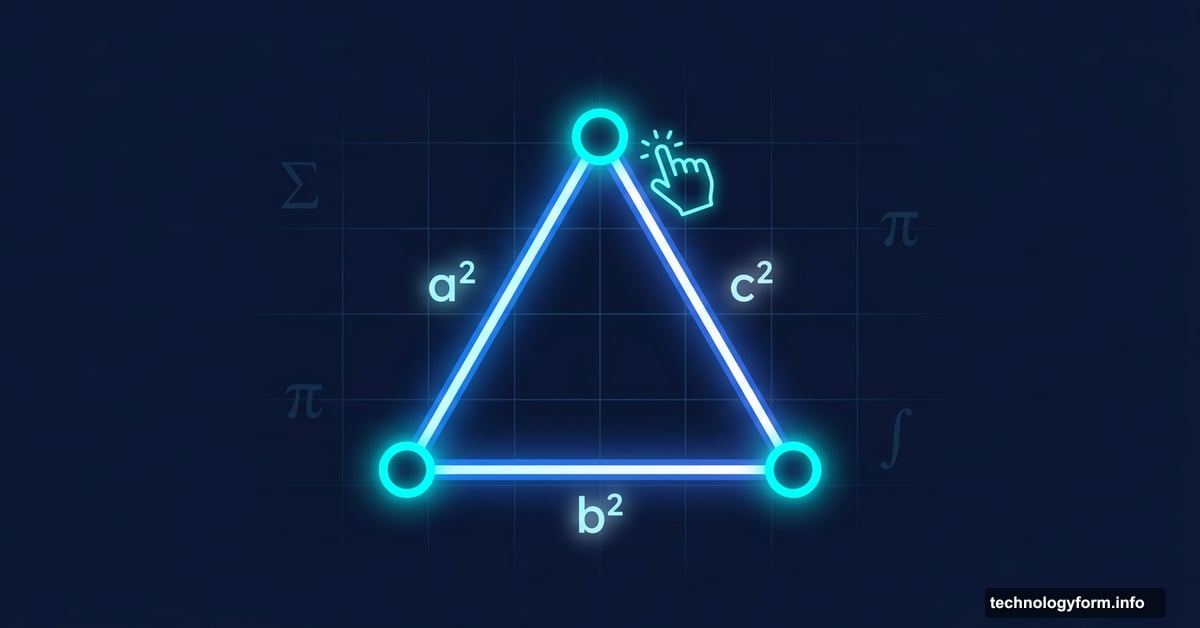
Ask ChatGPT to explain the Pythagorean theorem, and instead of getting a wall of text, you now get a live triangle model right inside the response. You can drag the side lengths around and watch the formula update in real time. So instead of memorizing that a² + b² = c², you actually see it happen.
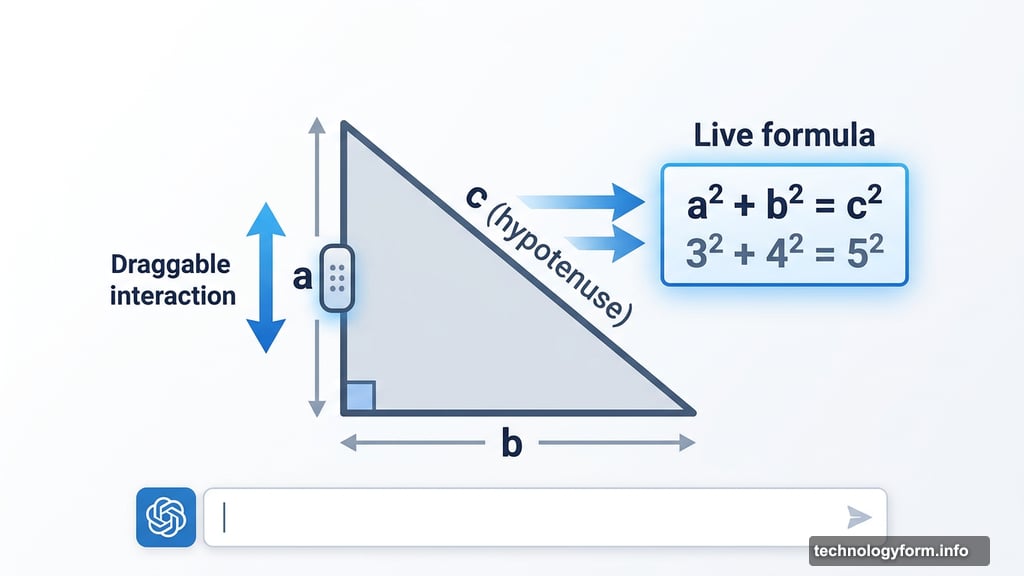
That’s a meaningful shift. Reading about a formula and watching one respond to your input are completely different experiences. For students who think visually or learn by doing, this kind of interactive feedback can make a tough concept suddenly feel obvious.
Plus, the widgets let you adjust variables and observe the ripple effects immediately. That’s the kind of cause-and-effect understanding that textbooks genuinely struggle to deliver.
70-Plus Concepts Across Math and Science
The new feature covers more than 70 different topics, pulling from high school and college-level material. Specifically, students can find interactive help across algebra, geometry, calculus, and physics.
And it’s available right now. All logged-in ChatGPT users worldwide can access it today, with no extra setup required.
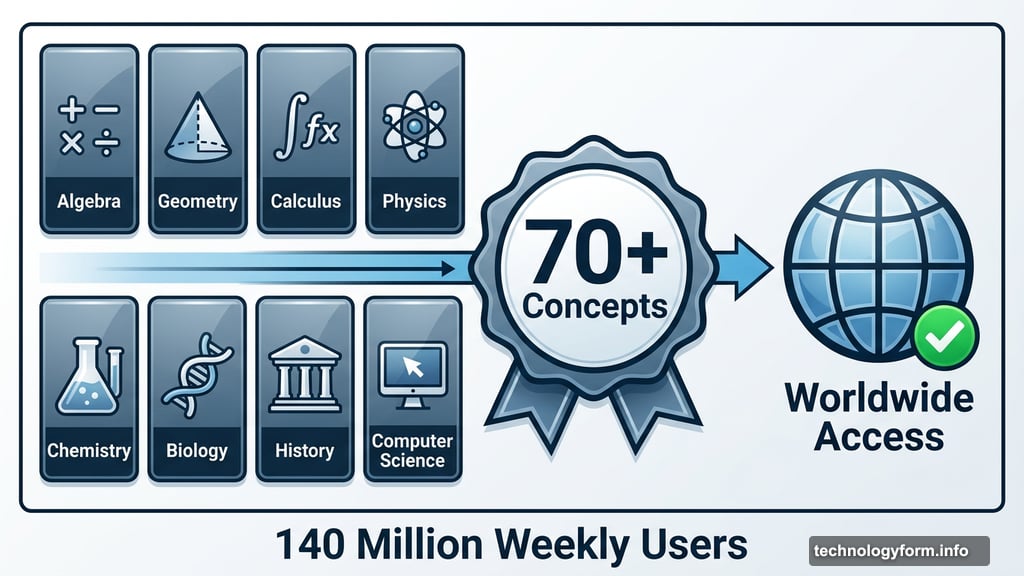
That’s a wide reach. OpenAI reports that 140 million people already use ChatGPT for math and science help every single week. So rolling this out globally means a lot of students get an upgrade to their study sessions immediately.
ChatGPT’s Bigger Push Into Education
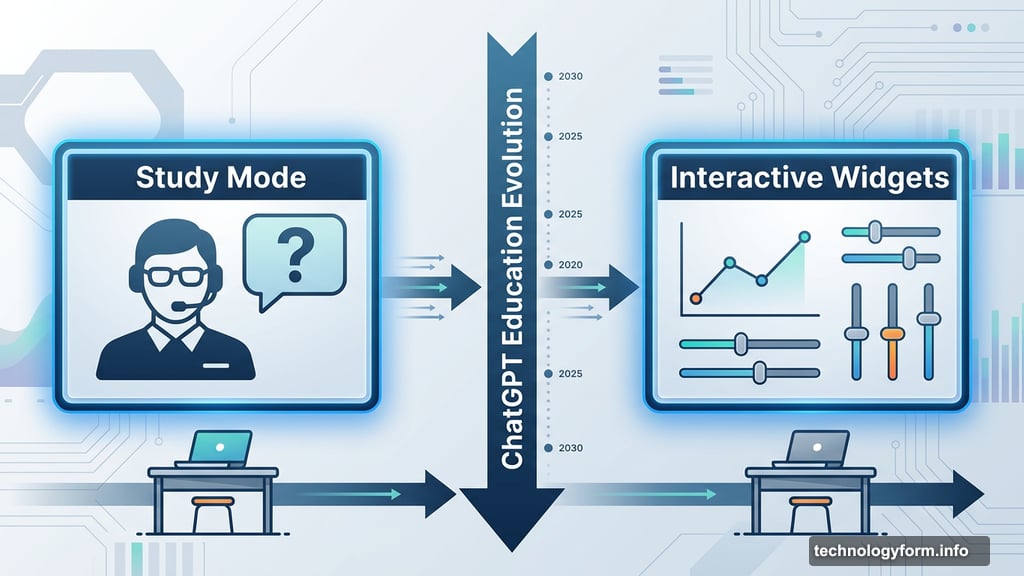
This isn’t OpenAI’s first move into the classroom. Last summer, the company launched Study Mode, which was designed to make ChatGPT behave more like a tutor and less like an answer machine. The idea was to guide students through problems rather than just solving everything for them.
These new interactive widgets push that philosophy further. Instead of handing a student the solution, they invite exploration. You’re not just receiving information. You’re testing it, breaking it, and rebuilding your understanding from scratch.
OpenAI has also signaled that more education-focused features are coming, though details remain vague for now.
The Bigger Debate Isn’t Going Away
It’s worth being honest here. AI in education is genuinely complicated, and not everyone is convinced these tools help.
Research has found that students who use AI to write entire essays or complete full assignments often miss out on building critical thinking skills. When a chatbot does the heavy lifting, the learning doesn’t always follow. That’s a real concern, and it’s not one that gets resolved by adding better visuals to an answer.
But there’s a meaningful difference between outsourcing your homework and using a tool to understand something you’re genuinely stuck on. Interactive widgets that show you how a formula behaves aren’t replacing the thinking. They’re supporting it.
The workforce students are preparing to enter is rapidly adopting AI. Learning to use these tools thoughtfully, rather than as shortcuts, may end up being one of the most valuable skills a student can develop right now.
Whether ChatGPT’s new math tools land on the right side of that line depends almost entirely on how students choose to use them. A widget that helps you finally understand why the Pythagorean theorem works is very different from one that just tells you the answer.
Used well, this kind of interactive support could genuinely help students who feel stuck. That’s worth something, even if it doesn’t resolve every question the AI-in-education debate raises.