OpenAI Just Killed Sora. Here’s What That Really Means for AI Video
One of the most talked-about AI tools of the past year is going away. OpenAI confirmed it’s shutting down Sora, its viral AI video app, and the move says a lot about where the entire AI industry is heading right now.
Sora launched with enormous buzz. It could generate eerily realistic videos, sparked debates about deepfakes, and even landed a $1 billion partnership with Disney. Now it’s getting the plug pulled, with no firm timeline given for when the app and API go dark.
So what happened? And why does it matter?
OpenAI Shifts Focus to Business and Coding Tools
The short answer is that priorities changed. Fast.
OpenAI’s head of applications, Fidji Simo, reportedly told employees earlier this month that the company needs to cut down on “side quests” and focus on core activities. That means coding tools, enterprise software, and business-facing products.
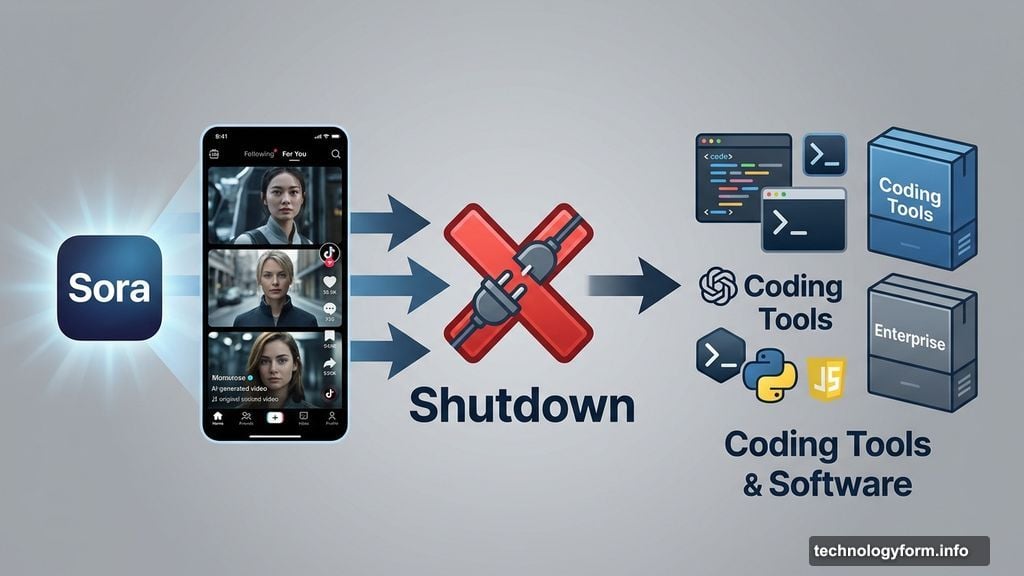
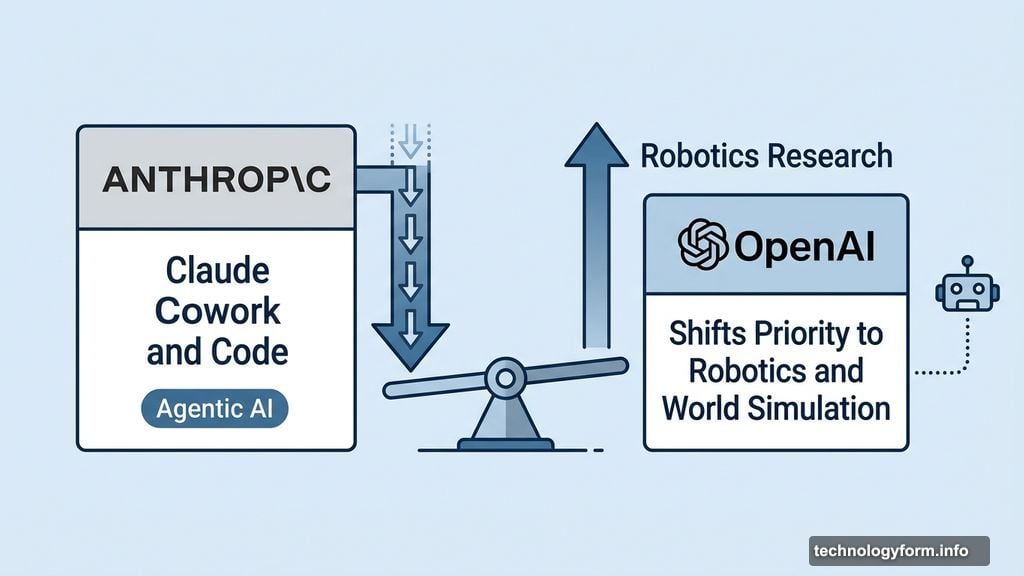
Anthropic helped push that shift. Their Claude Cowork and Code tools, which use advanced agentic and generative technology, stunned the industry and grabbed serious business attention. OpenAI clearly felt the pressure to respond in kind.
So creative video generation got cut. “As we focus and compute demand grows, the Sora research team continues to focus on world simulation research to advance robotics that will help people solve real-world, physical tasks,” an OpenAI spokesperson told CNET.
What Sora Actually Was
If you never used it, Sora was a genuinely unusual product. Think TikTok, but every video was generated by AI.
You could create videos featuring your own likeness or other Sora users, then scroll through them the way you’d browse a social feed. The results were realistic enough to be unsettling. Celebrities, public figures, and advocacy groups raised serious concerns about deepfakes almost immediately after launch.
Plus, Sora contributed to what critics have started calling “AI slop” — the growing flood of low-effort, AI-generated content filling up social media feeds. That reputation didn’t help its long-term prospects.
The Disney Deal Dies Too
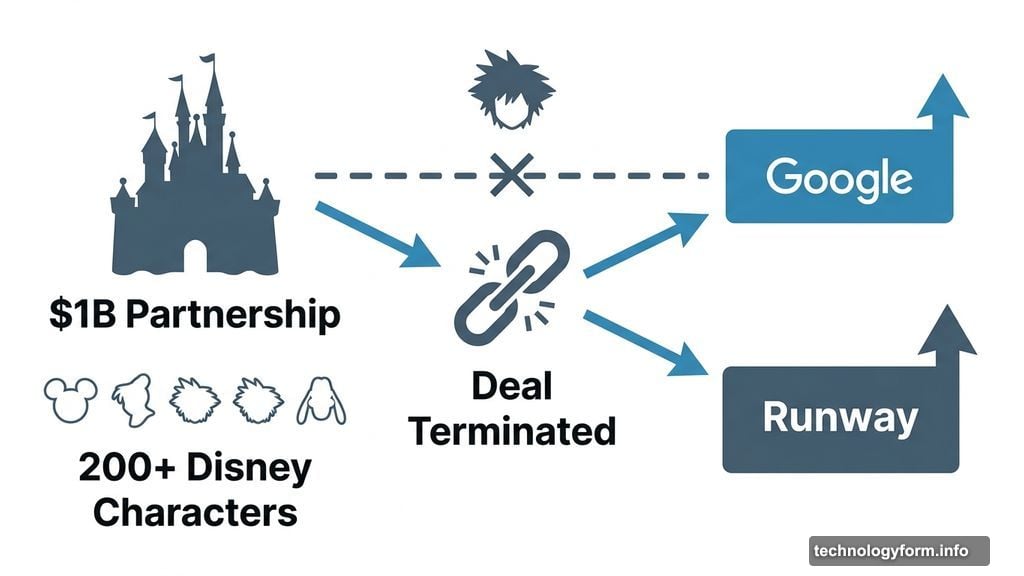
The Sora shutdown also ends OpenAI’s $1 billion partnership with Disney, which had licensed over 200 Disney characters to appear in Sora-generated videos. That’s a significant deal to walk away from.
Disney’s response was measured but telling. “We respect OpenAI’s decision to exit the video generation business and to shift its priorities elsewhere,” a Walt Disney Company spokesperson told CNET. “We will continue to engage with AI platforms to find new ways to meet fans where they are while responsibly embracing new technologies.”
Disney has plenty of alternatives to consider. Google and Runway both offer more professional-grade video generation setups. But the IP landscape remains complicated. On the same day Disney originally announced its Sora deal, the company filed a copyright infringement lawsuit against Google, alleging its Gemini AI helped people create unauthorized replicas of Disney characters.
Video AI and intellectual property are still a messy combination, regardless of which company you partner with.
What This Tells Us About the AI Industry
Here’s the part worth paying attention to. OpenAI killing Sora isn’t just a business pivot. It’s a signal about confidence, or the lack of it, in generative media as a sustainable market.
When one of the biggest names in AI quietly folds its most high-profile creative tool, it suggests the economics of AI video generation aren’t working the way anyone hoped. The viral moments were real. The revenue apparently wasn’t enough to justify the compute costs.
Meanwhile, the AI companies making real money right now are the ones helping developers write code faster and helping businesses automate workflows. That’s where the spending is. That’s where the deals are. Creative tools are exciting at launch, but enterprise contracts pay the bills.
The AI industry sprinted toward flashy consumer products in 2024. In 2026, it’s walking back toward what actually generates reliable revenue. Sora’s shutdown is the clearest example of that shift yet.
Whether another company steps in to fill the AI video space, or whether this marks a broader cooling on the category, will be worth watching closely over the next few months.