The AI Code Wars Nobody Saw Coming — Until Now
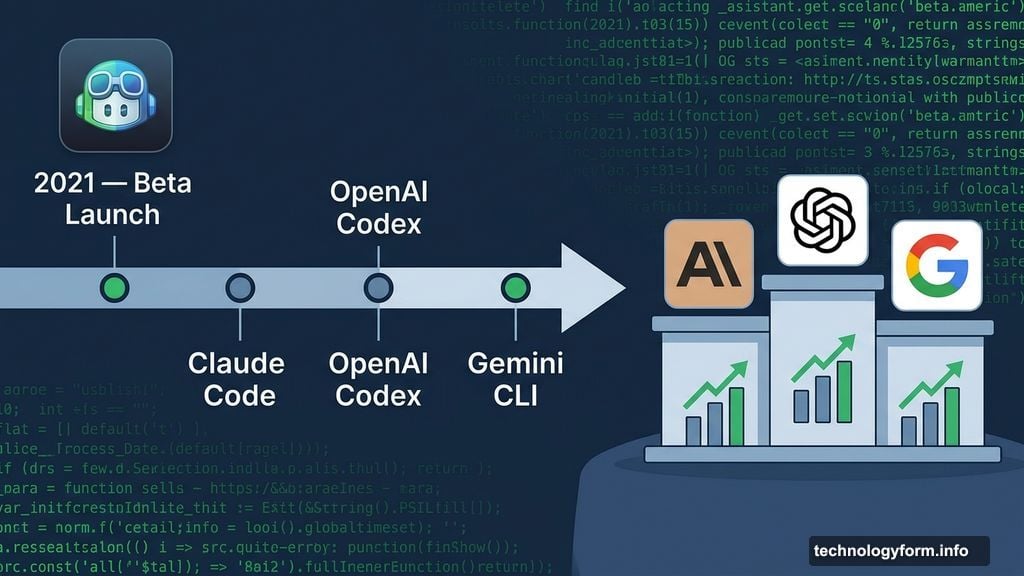
Back in spring 2021, most people hadn’t heard the word “ChatGPT.” But Microsoft was already quietly launching something that would change software development forever.
It was called GitHub Copilot. It watched developers write code and tried to autocomplete lines for them. It wasn’t exactly impressive. But over a million developers signed up to try it anyway. Something about the idea just clicked.
That small experiment has grown into one of the biggest tech battles happening right now. OpenAI, Google, and Anthropic are all racing to own the future of coding — and the stakes couldn’t be higher.
Why Code Was Always the Perfect AI Target
Writing code turns out to be a great job for AI. Not because it’s easy, but because it’s very checkable.
Most coding languages are well-documented and structured. Huge amounts of code exist online for training models. And unlike asking an AI about history or medicine, you can verify code quality simply by running it. Either it works or it doesn’t.
So from the beginning, the pitch was clear. If AI could write code, even partially, companies could hire fewer developers or help existing ones move faster. That’s an easy sell to any software business on Earth.
Companies like Cursor and Windsurf raised enormous sums chasing this idea. Meanwhile, OpenAI, Google, and Anthropic each began building their own developer tools. The race was on before most people even knew there was a race.
From “Weird Coding Intern” to Viral Product
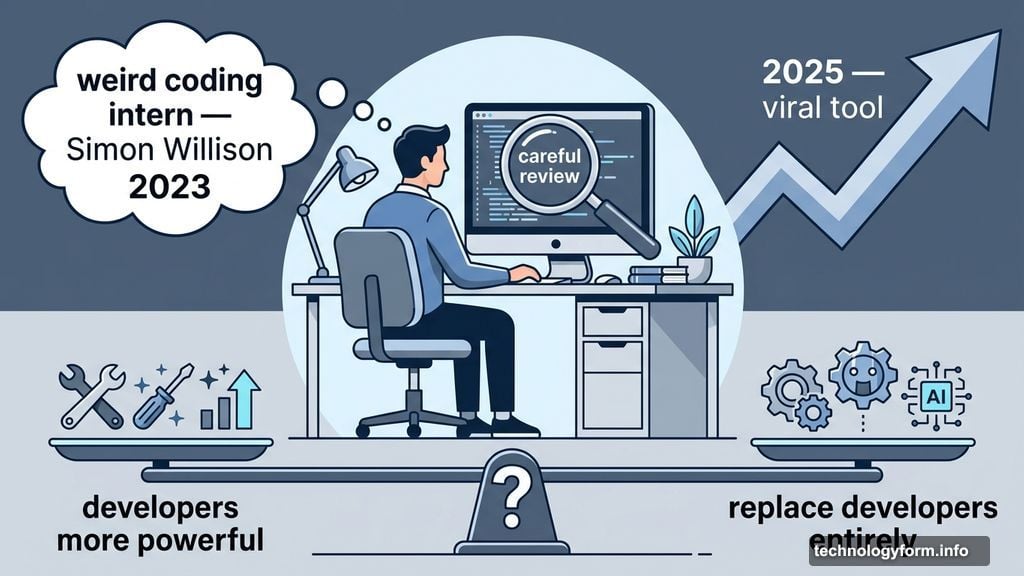
For a couple of years, AI coding tools were more curiosity than capability. They could complete a few lines here and there, but always needed careful review.
In late 2023, programmer and blogger Simon Willison memorably described LLMs as “weird coding interns.” He wondered aloud whether they’d make developers more powerful — or eventually replace them entirely.
Then, in early 2025, Anthropic released Claude Code. And everything changed.
A few weeks after Anthropic launched an upgraded model called Claude Opus 4.5, developers with spare holiday time started really testing it. Almost universally, they reached the same conclusion: it works.
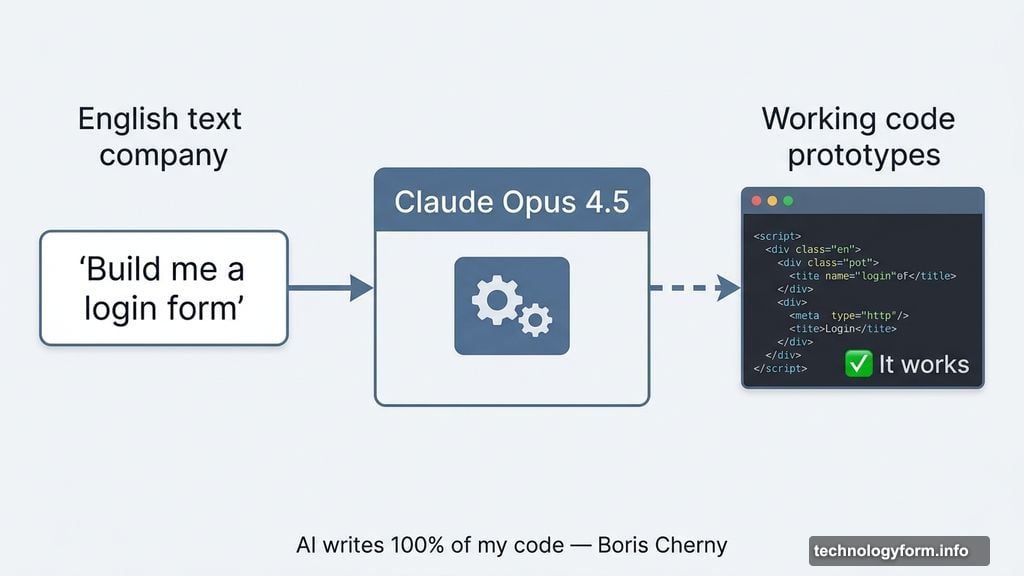
Suddenly, a tool you once had to carefully babysit could turn a few plain-English sentences into a working prototype. Boris Cherny, the creator of Claude Code, told The Verge he already has AI write 100 percent of his code. “It was just as surprising for me as it was for everyone else,” he said.
For a coding tool, Claude Code went viral. That’s not something you’d normally expect to say.
The Competition Heats Up Fast
Claude Code may have captured the software world’s imagination first, but rivals moved quickly.
OpenAI launched Codex a few months later in 2025. It’s received steady updates and built a loyal following of its own. Google rolled out a command-line interface for Gemini and added more coding features to its AI Studio app. Everyone is chasing the same opportunity.
And it’s not just about developer bragging rights. Both OpenAI and Anthropic are reportedly planning to go public this year. That means both companies need something real to show investors for the billions they’ve raised — and the billions they’ve burned on computing power.
Coding seems to be everyone’s best answer. One top OpenAI executive recently told her team to stop working on “side quests” and focus on competing directly with Anthropic and Claude Code. That’s how seriously they’re taking this.
Vibe Coding Changes Who Can Build Software
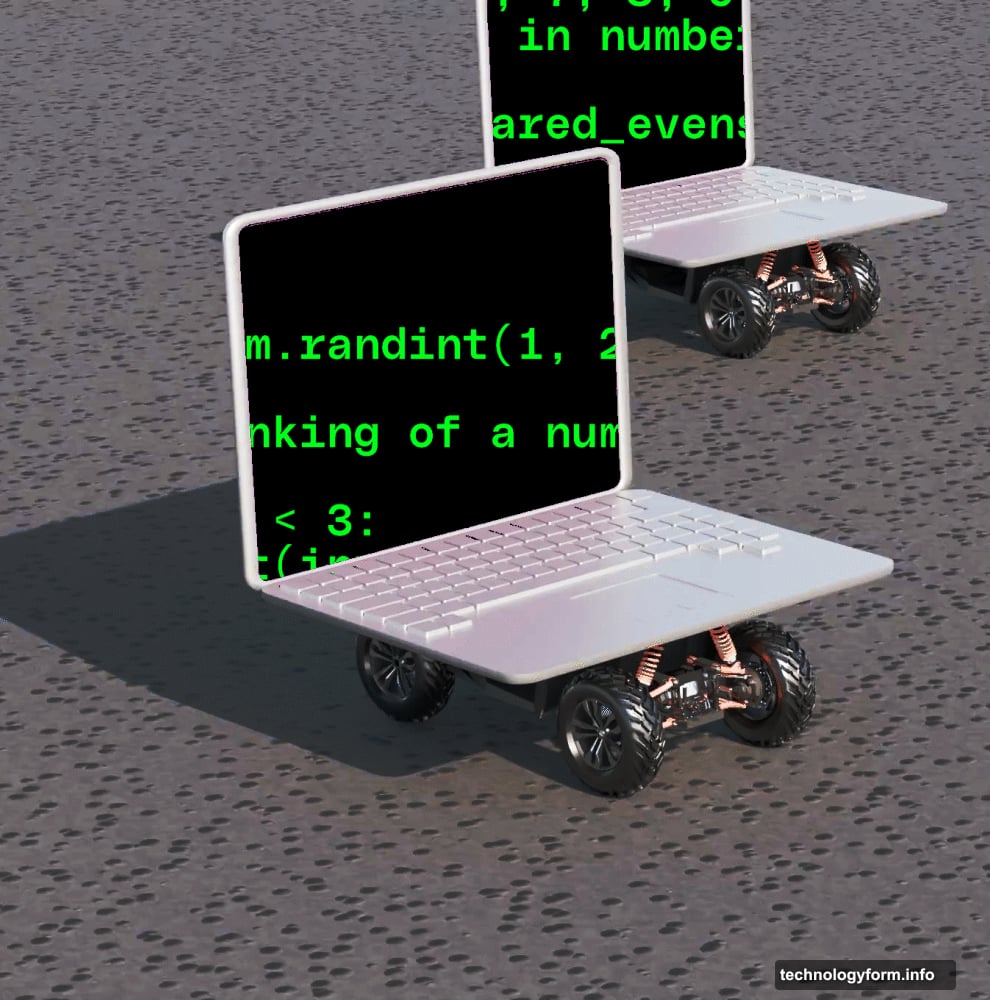
Something unexpected happened alongside the professional developer frenzy. People who couldn’t write a single line of code started building apps anyway.
In February 2025, AI veteran Andrej Karpathy coined the term “vibe coding.” He described it on X as building software without really coding at all. “I just see stuff, say stuff, run stuff, and copy paste stuff,” he wrote, “and it mostly works.”
The phrase stuck. So did the phenomenon.
People who might otherwise have made slide decks or Figma mockups started prompting their way to working prototypes. For many of them, “barely functional” was more than enough. And these tools proved perfectly capable of delivering barely functional.
One 2025 study found that 98 percent of respondents said they used AI coding tools several times a week. Nvidia CEO Jensen Huang recently said he’d worry about any highly paid engineer not spending $250,000 a year on AI tokens. That’s the world we’re living in now.
Vibe Coding Carries Real Risks
Before you download Claude Code and start building your startup, there’s a catch.
Vibe coding comes with genuine risks. Bad code can cause real problems. Giving these tools access to your computer and your data creates privacy concerns. And unlike professional developers, most vibe coders can’t read the output to know if something went wrong.
It’s one thing to trust a system when you can verify what it produces. It’s another thing entirely to trust it when you can’t speak its language at all. Bad actors have already found ways to exploit AI coding tools. That’s not a small problem.
What This Means for Software Jobs
Here’s where things get uncomfortable. The software developer crisis is beginning to unfold in real time.
Companies across Silicon Valley are laying off employees by the thousands. The stated reason, frequently, is AI. Block CEO Jack Dorsey announced 40 percent layoffs with a memo that read: “A significantly smaller team, using the tools we’re building, can do more and do it better. Intelligence tool capabilities are compounding faster every week.”
Is AI the real reason in every case? Probably not entirely. Pandemic-era overhiring played a role at many companies. But the tech industry has clearly decided that AI is its productivity play — and reducing headcount is part of that plan.
Some people are predicting what they’re calling the “SaaSpocalypse.” The idea goes like this: why pay for expensive software subscriptions when Claude Code can build exactly what you need, for free, exactly how you want it? That’s a scary question for companies whose entire business model depends on selling software licenses.
Others think this moment actually creates space for a new generation of AI-native startups. Still others think the whole thing is overblown and Salesforce will be fine. Nobody really knows yet.
The Gap Between Power Users and Everyone Else
Right now, there’s a wide gap between two groups of people interested in AI coding tools.
On one side, you have professional developers and power users who’ve embraced tools like Claude Code and Codex. They’re spending hundreds of dollars a month, competing to use the most tokens, and treating GPU access as a job perk.
On the other side, you have curious non-coders who find even the simplest current tools overwhelming. These tools still ask you to read code. They require Terminal access. They ask questions most people shouldn’t be expected to answer.
Anthropic is trying to bridge that gap with products like Claude Cowork, which lets you simply give it access to files on your computer and let it work. Perplexity is exploring products that give AI access to everything on your device — organizing files, answering messages, even making purchases.
The underlying technology is starting to work. But how regular people are supposed to use it, and whether they’ll even want to, remains very much an open question.
Where This Is All Headed
What started as GitHub Copilot autocompleting a few lines of code has evolved into something much bigger and stranger.
OpenAI, Anthropic, and Google are all racing to build AI super apps. Each company sees coding as a core part of that vision. Prices are shifting too — OpenAI just announced a $100-per-month middle tier aimed at heavy Codex users, sitting between the $20 and $200 plans. Don’t expect the cheapest tier to stay competitive for long.
These companies are also working to pull users deeper into their own ecosystems. Anthropic recently tried to effectively shut down an unofficial tool called OpenClaw. Expect more moves like that as the big players try to keep you inside their own apps.
The trillion-dollar software industry feels like it’s standing on shifting ground. Whether AI coding tools create a new golden age of software — or dismantle the one we have — depends on decisions being made right now, by companies spending more on AI bills than most people earn in a lifetime.
One thing’s certain. The weird coding intern has grown up fast.