ChatGPT Just Started Showing Ads. Here’s What Paying Actually Gets You
ChatGPT now displays ads on its free tier. For most people, that’s probably fine. But if you’re considering paying to remove them, you might want to know what else your money buys.
The ad-free experience costs more than you’d think. Plus, several competing chatbots offer similar features at different price points. So before you hand over your credit card, let’s break down what each premium plan actually delivers.
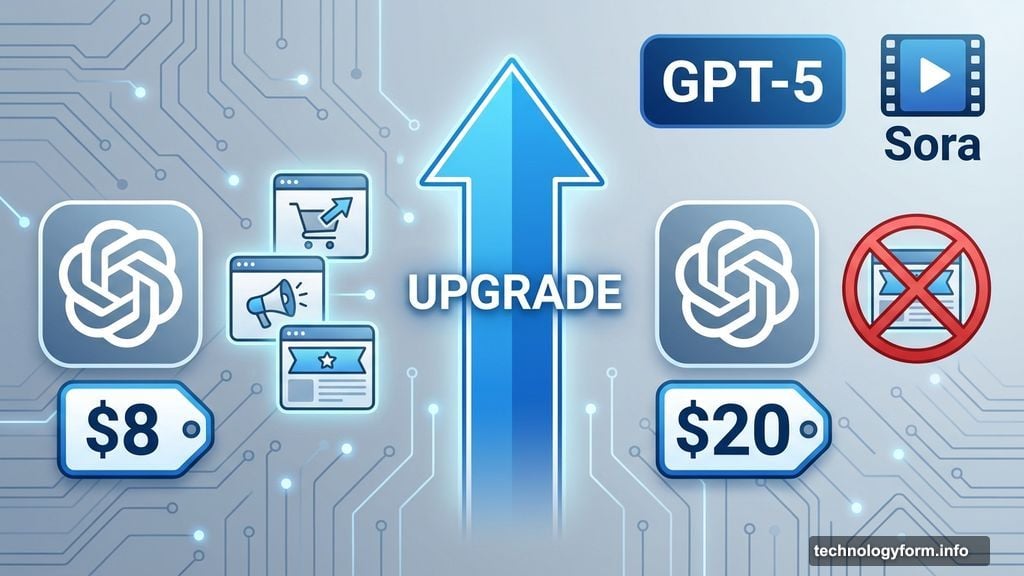
The $8 Plan Won’t Remove Ads
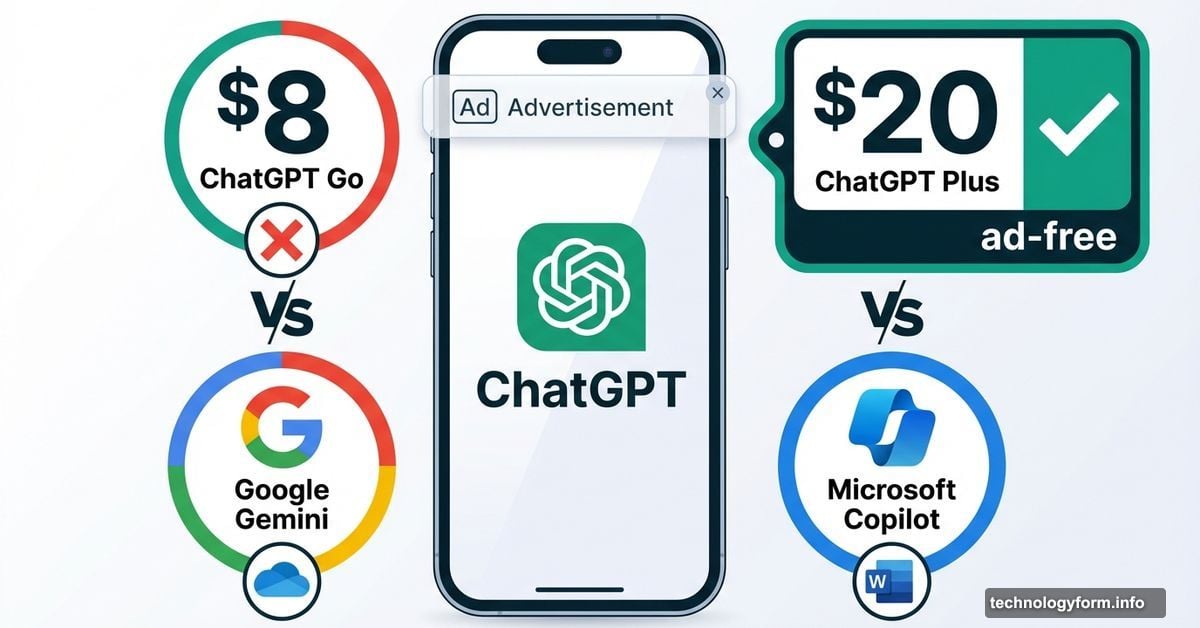
OpenAI introduced ChatGPT Go at $8 monthly. Sounds reasonable. But here’s the catch.
Go increases your usage limits across messaging, uploads, and image generation. However, ads still appear. So if your main goal is avoiding advertisements, this tier won’t help.
You’ll need ChatGPT Plus at $20 monthly to go ad-free. That also unlocks GPT-5 access, advanced voice mode with video, and limited Sora video generation. For heavy users, the Pro plan costs $200 monthly and removes most restrictions entirely.
Google Bundles Cloud Storage With AI
Gemini takes a different approach. Instead of just boosting AI capabilities, Google throws in massive cloud storage.
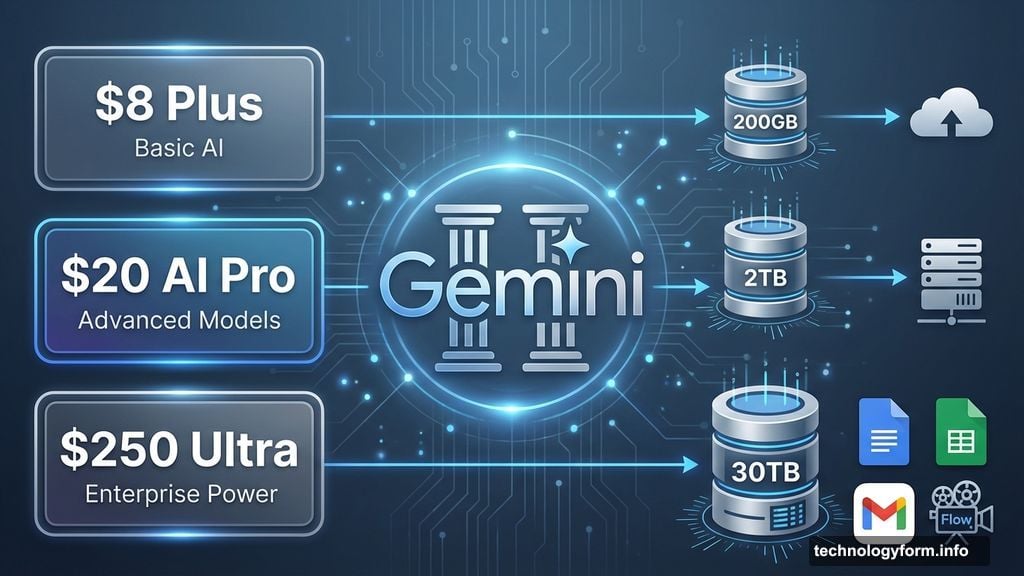
The $8 Plus plan includes 200GB of storage and better access to Gemini 3 Pro models. For the first two months, Google offers 50% off. That makes it cheaper than ChatGPT’s ad-supported tier.
Step up to AI Pro at $20 monthly and you get 2TB of storage, Gemini across Google Workspace apps, and the Flow filmmaking tool. Plus, you receive a 10% credit on Google Store purchases. Not bad for the same price as ChatGPT Plus.
The top-tier AI Ultra costs $250 monthly. That includes 30TB of storage, YouTube Premium, and early access to Project Mariner. However, most people won’t need that much power or storage.
Microsoft Repackages ChatGPT With Office Integration
Copilot uses ChatGPT’s models but feels different enough to stand on its own. During testing, it produced more distinct images than competitors. Where Gemini and ChatGPT sometimes generated similar results, Copilot consistently offered something unique.
Microsoft’s pricing starts at $10 monthly for the Personal plan. That’s actually cheaper than most competitors. The Family plan costs $13 monthly and covers multiple users. Both integrate with select Microsoft 365 apps.
The Premium plan runs $20 monthly and adds Deep Research models plus Actions. Actions let Copilot fill out forms or assist with shopping. For Windows users already in Microsoft’s ecosystem, this integration makes sense.
Perplexity Focuses on Research
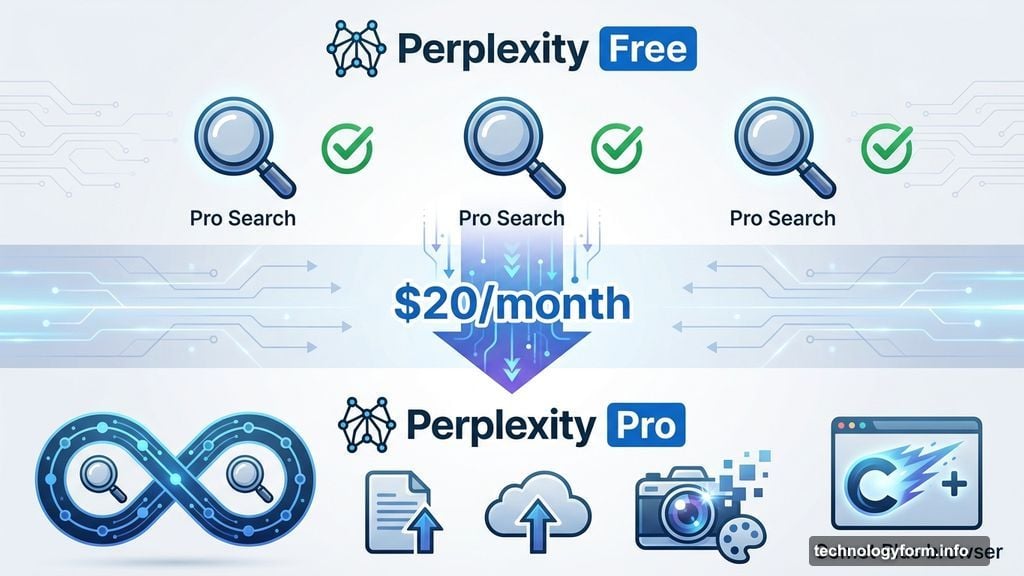
Perplexity excels at research tasks. The free version allows three Pro searches daily. That’s enough for casual use but restrictive for serious research.
Pay $20 monthly for Perplexity Pro and those limits disappear. You get unlimited Pro Searches, unlimited file uploads, image generation, and access to advanced models. The subscription also includes Comet Plus, their AI-enhanced browser.
Perplexity Max costs $200 monthly. That adds extended context windows and priority processing. Unless you’re conducting extensive daily research, Pro should suffice.
Claude Has Vague Limits
Anthropic’s Claude costs $20 monthly for the Pro plan. But its usage limits feel unclear.
The company claims 5x more usage during peak hours versus the free tier. In practice, that means roughly 45 messages every five hours if you’re sending 200-word inquiries. Your actual limits depend on how complex your requests are.
Claude Pro unlocks Claude Code, unlimited Projects, and Research mode. The Max plan at $100 monthly increases limits further and provides priority access during peak traffic. For Claude power users, Max makes sense. For everyone else, Pro probably covers your needs.
Grok Charges Premium Prices
Grok’s pricing stands out. And not in a good way.
SuperGrok costs $30 monthly or $300 annually. That’s notably more expensive than competitors. You get extended access to Grok 3 and 4, higher token limits, priority voice access, and the Imagine image model.
SuperGrok Heavy jumps to $300 monthly or $3,000 yearly. That provides preview access to Grok 4 Heavy, unlimited Grok 3 access, and higher token counts. Unless you absolutely need cutting-edge access, these prices seem excessive compared to alternatives.
Free Tiers Still Work for Most People
Here’s the reality. Most people don’t need premium chatbot plans.
The free versions handle basic text generation, simple image creation, and casual research. You’ll hit limits eventually, but for occasional use, those limits won’t matter much.
Premium plans make sense if you’re using AI tools daily for work. Content creators, researchers, and developers will quickly outgrow free tiers. But if you’re just asking ChatGPT to help plan dinner or draft an email, save your money.
Where to Spend Your Money
Different chatbots excel at different tasks. ChatGPT Plus offers the most balanced feature set at $20 monthly. Gemini AI Pro provides excellent value if you already use Google services heavily.
Copilot makes sense for Windows users deep in Microsoft’s ecosystem. Perplexity Pro beats others for research-focused work. Claude Pro works well for technical writing and coding assistance.
Grok’s pricing feels disconnected from reality unless you desperately need early access to new models. And remember, ChatGPT’s $8 plan won’t remove ads, so factor that into your decision.
Choose based on your actual needs, not hype. Test free versions first. Then upgrade only when you consistently hit limits that slow you down.