YouTube Built a Deepfake Detector. It Won’t Catch Everything
YouTube just launched a tool to find and remove AI-generated fake videos of you. But there’s a catch. Actually, several catches.
The platform is rolling out likeness detection to YouTube Partner Program members first. It scans uploaded videos for deepfakes using your face. Sounds promising. But the technology has significant blind spots that limit its usefulness right now.
How YouTube’s Deepfake Detection Actually Works
The system operates similarly to Content ID, YouTube’s tool for finding copyrighted music. Instead of matching audio, it scans videos for faces that match your likeness.
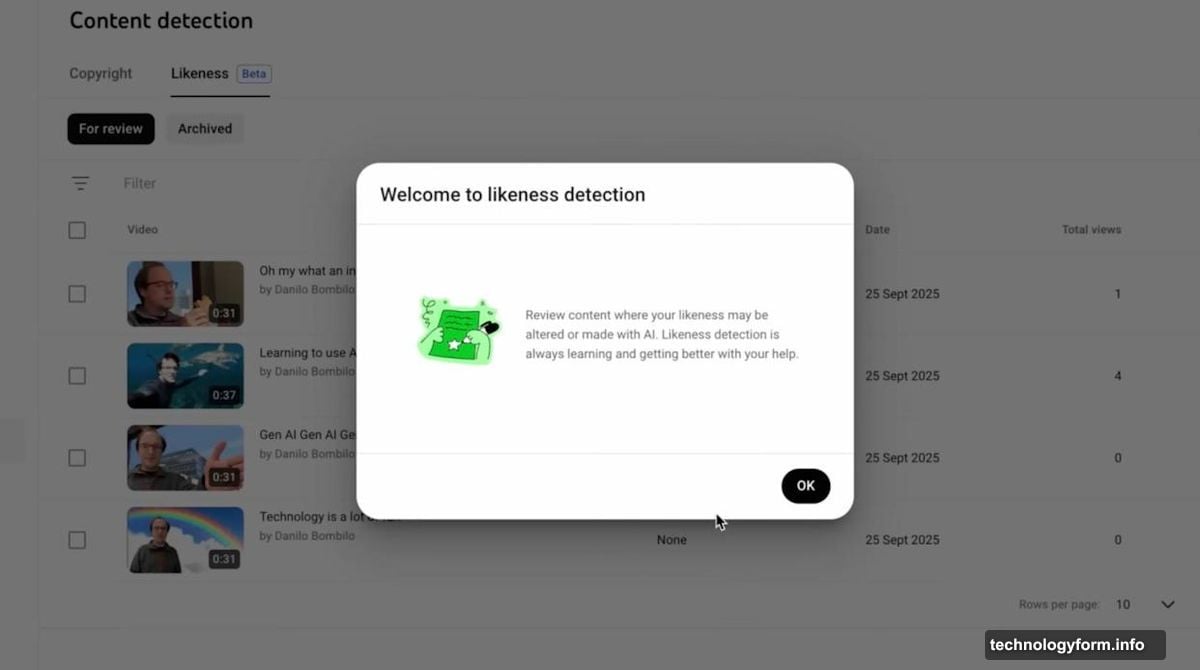
Here’s the setup process. First, you submit a government-issued ID to prove your identity. Then you record a brief video selfie. That selfie becomes the reference material YouTube uses to identify potential deepfakes of you.
Once enrolled, the system automatically scans new uploads. When it finds a possible match, you get notified. You review the flagged video. If it’s truly a deepfake made without your permission, you can request removal.
Plus, this puts control directly in your hands rather than relying on YouTube’s general content moderation. That matters because deepfakes can spread quickly, and every hour counts.
The Major Limitation Nobody’s Talking About
Voice deepfakes aren’t covered. At all.
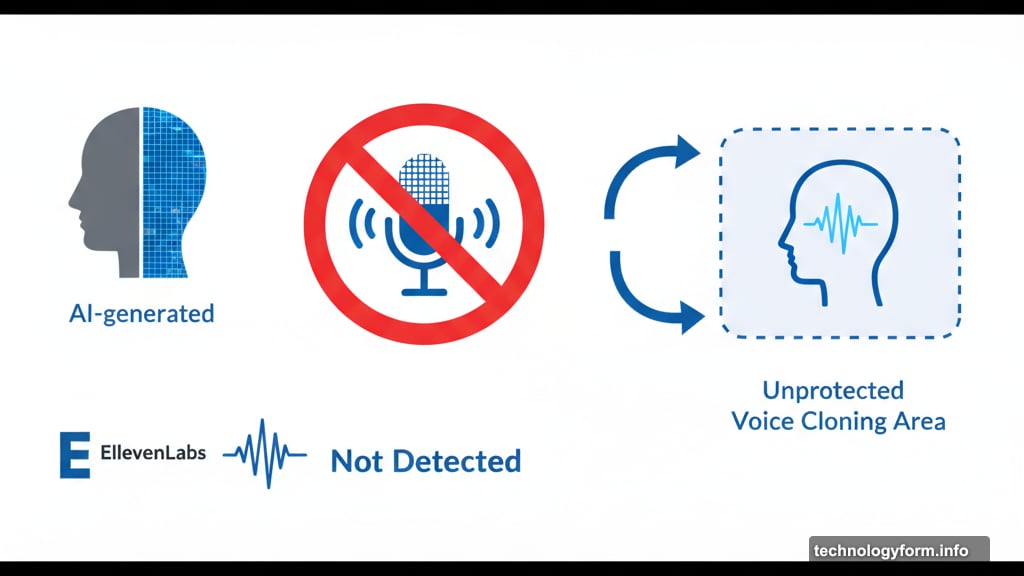
YouTube’s detection only works for videos where AI modified your face. So if someone creates a deepfake using just your voice, this tool won’t catch it. That’s a huge gap in protection.
And voice cloning has become incredibly easy. Tools like ElevenLabs can replicate someone’s voice from just a few seconds of audio. These voice-only deepfakes are already causing real damage, from financial scams to reputation attacks.
Moreover, many deepfakes combine both face and voice manipulation. But YouTube’s current system only addresses half the problem. If the face looks normal but the voice is fake, you’re still vulnerable.
Who Can Actually Use This Right Now
Access is extremely limited for now. Only YouTube Partner Program members can enroll.
What does that mean? You need 1,000 subscribers and 4,000 watch hours in the past year just to qualify for the Partner Program. Or 1,000 subscribers and 10 million Shorts views in 90 days. That’s a high bar for ordinary people worried about deepfakes.
So if you’re not a content creator with significant following, you’re out of luck. Celebrity impersonation might get caught. But deepfakes targeting regular people won’t be detected by this system because those victims can’t access it.
Furthermore, YouTube hasn’t announced when broader access might roll out. The technology exists. But most people who need protection can’t use it yet.
Why the Verification Process Matters
Requiring government ID and video selfies makes sense from a security standpoint. It prevents bad actors from falsely claiming someone else’s likeness and abusing the system.
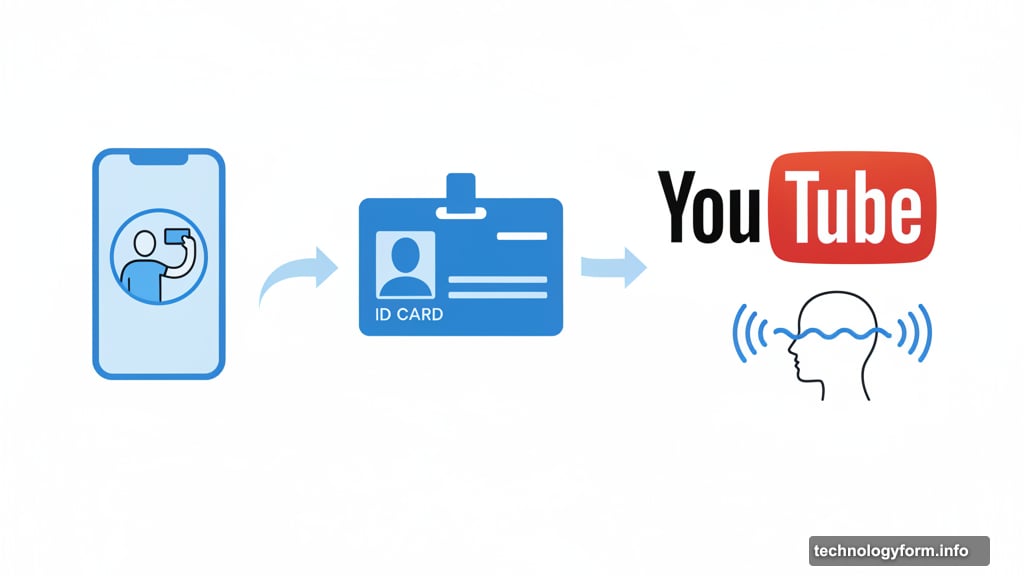
But it also creates friction. Some people reasonably hesitate to submit government documents to tech platforms. Privacy concerns are legitimate, especially given how often data breaches occur.
Additionally, the video selfie requirement ensures YouTube has quality reference material. Low-quality or limited photos wouldn’t work well for matching. The system needs multiple angles and clear facial features to function effectively.
Still, this verification barrier means some people who need protection won’t complete enrollment. The process feels invasive, even if it’s necessary.
What Deepfakes Are Doing Right Now
AI-generated fake videos are getting disturbingly good. OpenAI’s Sora 2 recently launched with impressive video generation capabilities. And predictably, people immediately started making inappropriate content.
The technology isn’t just advancing. It’s becoming accessible. Tools that required technical expertise last year now work with simple text prompts. Anyone can create convincing fake videos of public figures or private individuals.
Moreover, the damage happens quickly. A deepfake video can go viral in hours. By the time it’s removed, thousands or millions might have seen it. The reputational harm lingers even after deletion.
That’s why detection needs to be proactive and fast. YouTube’s system helps, but only if it catches fakes before they spread widely.
The Bigger Picture Problem
YouTube’s effort is welcome. But it’s just one platform addressing one type of deepfake.
What about TikTok, Instagram, Twitter, or the countless other platforms where deepfakes spread? Each requires separate detection systems and verification processes. That’s exhausting for people trying to protect themselves across the entire internet.
Plus, technology will keep improving. Today’s detection tools might not work on tomorrow’s more sophisticated fakes. This becomes an endless arms race between creators and detectors.
And honestly, the real solution requires broader industry standards. Right now, every platform builds its own system with different capabilities and limitations. That fragmented approach leaves too many gaps.
Should You Enroll If You Can?
If you’re in the YouTube Partner Program, enrollment makes sense despite the limitations. More protection beats no protection.
However, understand what you’re getting. This tool won’t catch voice-only deepfakes. It won’t protect you on other platforms. It requires sharing personal information with YouTube.
But it does give you a way to fight back against face-based deepfakes on the world’s largest video platform. For creators whose livelihoods depend on their reputation, that’s valuable.
Just don’t assume this tool makes you fully safe from AI-generated fakes. It’s one layer of defense, not complete protection. Stay vigilant. Monitor your online presence regularly. And push platforms to expand these protections to everyone, not just popular creators.
The deepfake problem isn’t going away. Tools like this help. But we need faster, broader, and more comprehensive solutions before AI-generated fakes cause even more damage.