
Dutch Police Just Seized a Windscribe VPN Server. Here’s What They Found
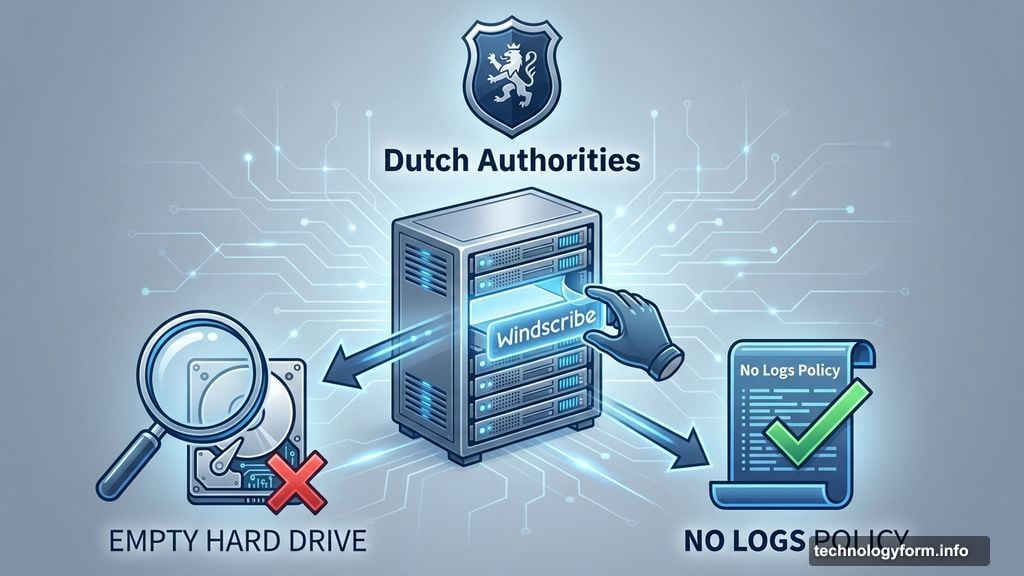
Dutch authorities grabbed one of Windscribe’s servers last week without warning. No warrant. No explanation. Just walked into the data center and pulled it from the rack.
Windscribe’s CEO says they won’t find anything useful. But this incident raises bigger questions about VPN privacy claims and what happens when law enforcement comes knocking.
The Seizure Nobody Saw Coming
Windscribe announced the server seizure on X Friday afternoon. Dutch authorities reportedly took the server in connection with an active investigation. They promised to return it after “fully analyzing” the hardware.
But here’s the twist. The server runs entirely on RAM, meaning it stores nothing permanently. Once you unplug it, all data vanishes instantly.
So Dutch police likely seized an empty box with a stock Ubuntu installation. Nothing more.
Why RAM-Only Servers Actually Matter
Most VPN companies claim they don’t keep logs. Yet many still use traditional hard drives that could theoretically store connection data, even temporarily.
Windscribe takes a different approach. All their servers run on volatile memory that wipes clean when powered down. That’s not marketing spin. It’s actual infrastructure design.
When Dutch authorities unplugged that server, any active connection data disappeared immediately. Even if they attempt a RAM dump (capturing live memory), they’re already too late. The network cable was pulled, terminating all sessions instantly.
Plus, Windscribe’s privacy policy explicitly states they don’t log source IPs, VPN session history, or browsing activity. Without those logs, there’s genuinely nothing to extract.

This Isn’t Windscribe’s First Rodeo
Greek authorities arrested Windscribe CEO Yegor Sak in 2023 over alleged “illegal access to information systems.” Someone used a Windscribe server to breach a Greek website and send spam emails.
The case dragged on for months. But ultimately, prosecutors dismissed all charges. Why? Windscribe proved they had zero logs to hand over. They literally couldn’t identify the actual culprit because no data existed.
Sak wrote afterward that handing over logs would have been faster and cheaper. But you can’t provide data you never collected in the first place.
That real-world legal test makes a stronger case than any marketing claim. When faced with actual criminal charges, Windscribe stood by their no-logs policy instead of cooperating with authorities.
Regular Audits Back Up the Claims
No-logs promises are impossible to verify with 100% certainty. That’s why independent third-party audits matter so much.
Windscribe has been audited fairly regularly since 2021. Their latest audit in summer 2024 examined the company’s FreshScribe VPN infrastructure. These audits aren’t perfect, but they provide important trust signals about a company’s actual practices.
Moreover, Windscribe publishes real-time transparency reports showing every legal request they receive. The current tally? Zero requests complied with due to lack of relevant data.
“We get a handful of law enforcement requests every month,” Windscribe wrote on X. “And each time we tell them we have no logs. This time they didn’t ask, they just snatched the server from the rack to look for the logs themselves.”
What This Means for VPN Privacy
Server seizures test whether VPN companies actually practice what they preach. Marketing materials are easy. Standing firm when authorities show up is different.
This incident demonstrates why infrastructure matters as much as privacy policies. Windscribe could write the most customer-friendly privacy policy imaginable, but it would mean nothing if their servers stored connection logs on hard drives.
RAM-only servers aren’t common across the VPN industry. Many providers still use traditional storage that could theoretically retain data even after deletion. Full-disk encryption helps, but volatile memory is cleaner.
However, no single security measure creates perfect privacy. Users need to evaluate VPNs holistically, considering server infrastructure, privacy policies, audit history, and real-world legal track records.
The Bigger Question Nobody’s Asking
Windscribe handled this seizure well. But the fact that Dutch authorities could grab a server without a warrant raises concerns beyond VPN privacy.
If law enforcement can seize infrastructure without warrants or explanations, what protections exist for data centers generally? What happens when authorities target servers hosting websites, communication platforms, or other services?
VPNs face these challenges regularly because they’re often associated with privacy-conscious users. But the precedent affects everyone relying on cloud infrastructure and third-party hosting.
This seizure won’t impact Windscribe users directly. But it highlights why choosing VPNs with proven privacy practices and resilient infrastructure matters more than ever.
Dutch authorities can analyze that server all they want. Based on Windscribe’s track record, they won’t find anything worth the effort.