
Google’s Ad Empire Faces Split. Judge Wants It Done Fast
Google just wrapped closing arguments in its sprawling adtech antitrust case. The stakes? A forced breakup of its advertising business worth billions.
But here’s the twist. Judge Leonie Brinkema isn’t waiting around for appeals. She’s pushing for rapid enforcement, signaling that Google’s delays won’t work this time.
Let’s break down what happened in court and why this case matters way more than previous Google antitrust battles.
The Justice Department’s Case Just Closed
Friday marked the end of arguments in the DOJ’s lawsuit against Google’s ad tech monopoly. The government claims Google illegally dominates how online ads get bought and sold.
In April, Judge Brinkema already ruled that Google holds a monopoly in online adtech. So this case isn’t about whether Google’s a monopoly anymore. That’s settled. Now the fight centers on what happens next.
The Justice Department wants Google to sell off its advertising tech subsidiary. That would split Google’s ad business from its search engine and other services. Plus, it would reshape how digital advertising works across the entire internet.
Google’s attorney Karen Dunn pushed back hard. She argued that forcing a sale would be “extreme” and hurt customers. Google plans to appeal any decision requiring a breakup.
Judge Brinkema Isn’t Playing the Waiting Game
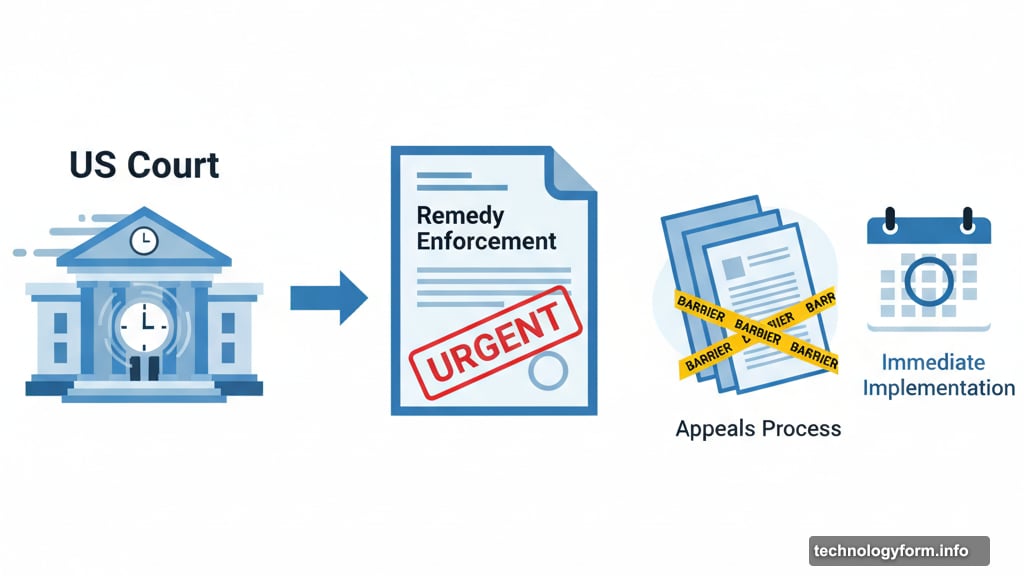
Here’s where things get interesting. Judge Brinkema recently asked the DOJ how quickly they could enforce anticompetitive measures. She specifically said “time is of the essence.”
That’s significant. Most antitrust cases drag on for years through appeals. Google typically uses this strategy to delay consequences while continuing business as usual.
But Brinkema noted that remedies “most likely would not be as easily enforceable while an appeal is pending.” She’s acknowledging the problem. Then she’s apparently trying to work around it.
Reuters reports the judge seems focused on implementing changes before Google can stall through the appeals process. That’s unusual. Federal judges rarely rush antitrust remedies, especially ones this massive.
So what does this mean? Google might face actual consequences faster than in previous cases. The company can’t just appeal and continue operating the same way for years.
Europe Already Hit Google With $3.5 Billion Fine
Meanwhile, across the Atlantic, Google faces a separate $3.5 billion fine from the European Union. Same issue. Different regulator.

The EU ruled Google violated antitrust laws within the adtech industry. That fine adds pressure on top of the US case. Plus, it shows global regulators are coordinating their approaches to Google’s ad dominance.
Europe tends to move faster than US courts on tech antitrust. The EU’s Digital Markets Act already forces changes to how big tech operates. So Google can’t ignore international consequences while fighting the DOJ.
Combined, these cases represent the biggest threat to Google’s business model since the company’s founding. Advertising generates most of Google’s revenue. Splitting that business would fundamentally change how Google operates.
Why This Case Matters More Than Others
Google has beaten or settled numerous antitrust cases over the years. But this one’s different for three reasons.
First, the monopoly finding already happened. Judge Brinkema ruled in April. Google can’t argue “we’re not a monopoly” anymore. The debate shifted to remedies.
Second, the judge wants fast action. Most antitrust cases move at glacial speed. Brinkema’s urgency suggests she’s learned from past cases where appeals delayed real change for years.
Third, global regulators are aligned. The US and EU rarely coordinate this closely on tech antitrust. But both are pursuing Google’s ad business simultaneously. That creates pressure Google can’t escape by playing regulators against each other.
For advertisers and publishers, a Google breakup could reshape the entire digital ad ecosystem. Google currently controls the tools buyers use, the tools sellers use, and the exchange connecting them. That’s like owning the New York Stock Exchange, every brokerage, and also being a major trader yourself.
What Happens Next
Judge Brinkema will issue her decision on remedies in the coming months. Google will appeal. But the timeline matters.
If Brinkema implements changes quickly, Google faces immediate operational disruption. The company would need to restructure its ad business even while appealing. That’s expensive and complicated.
If Google successfully delays enforcement until after appeals conclude, the case could drag on for years. By then, the market might look completely different. Plus, Google gains time to adjust its business model preemptively.
The real question isn’t whether Google loses. The monopoly ruling already happened. The question is timing. Fast enforcement changes everything. Slow enforcement through appeals? Google’s dealt with that before.
Either way, Google’s stranglehold on digital advertising faces its biggest legal challenge yet. The outcome will determine whether tech giants can maintain vertical integration or whether regulators can force structural separation.
Smart money says this case reshapes how online advertising works for the next decade. The only uncertainty is how long Google can delay that reshaping.