Google Just Started Testing Ads in AI Mode. Your Search Experience Changed Forever
Google quietly slipped ads into AI Mode search results. Most users didn’t even notice the shift happening.
An SEO consultant named Brodie Clark caught Google red-handed. The company’s inserting sponsored content directly into Gemini-powered AI Mode results. These ads appear at the bottom of search results, labeled as “sponsored” but formatted to blend seamlessly with organic links.
Here’s where it gets interesting. Google claims this isn’t new at all.
The Testing Has Been Running for Months
Google’s spokesperson pushed back on claims that this was some groundbreaking discovery. According to the company, they’ve been running these ad tests for several months already.
The push to monetize AI Mode was announced way back in May. So this wasn’t some surprise pivot. Google telegraphed their intentions clearly. They just didn’t tell us when the tests would start appearing in the wild.
But here’s the catch. Google also told 9to5Google there are “no current plans” to fully roll out ads across AI Mode. That’s corporate speak for “we’re testing the waters before we go all in.”
Those reassuring words ring hollow when you consider the financial pressures. AI costs real money to run. Ads represent the most obvious monetization path.
Sponsored Content Looks Suspiciously Similar to Organic Results
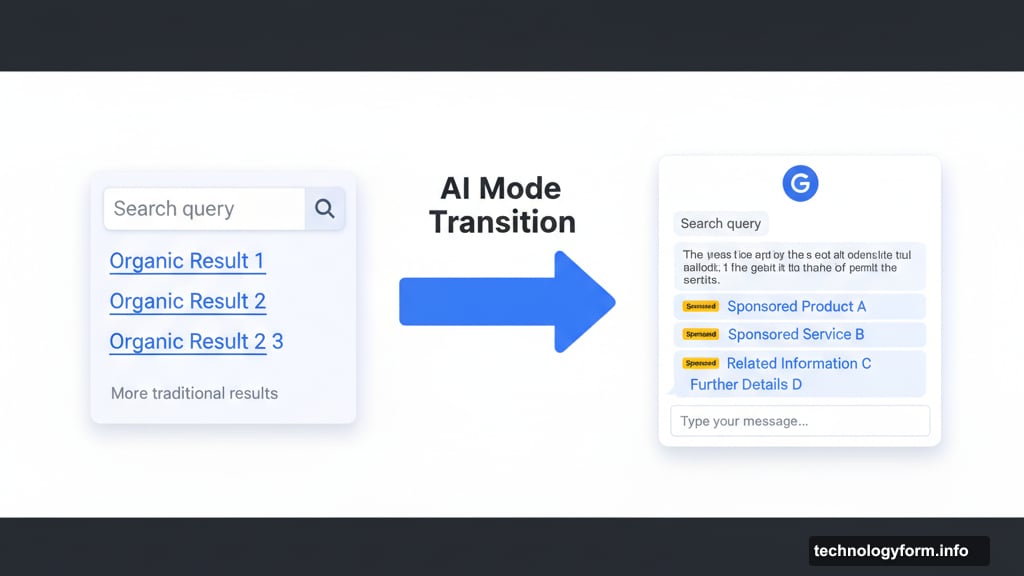
The formatting matters more than you might think. These sponsored links don’t scream “advertisement” the way traditional search ads do.
Google’s AI Mode ads blend into the natural flow of results. Sure, they carry a “sponsored” label. But they otherwise mimic the style and presentation of organic links generated by the chatbot.
Right now, Google seems to prioritize organic links over sponsored ones. That’s the good news. The bad news? We all know how this story ends.
Ads start small and unobtrusive. Then they multiply. Before you know it, sponsored content dominates your results. It’s the classic pattern of platform enshittification playing out in real time.
You Can’t Hide These Ads
Traditional Google Search lets users dismiss sponsored results after scrolling past them. That small bit of control gave users some agency over their search experience.
AI Mode strips away even that minor power. There’s currently no option to hide or dismiss sponsored links in AI Mode results.
Think about what that means. Google’s positioning AI Mode as a personal assistant. A helper that understands your needs and provides relevant information.
But personal assistants don’t typically bombard you with ads 24/7. That’s not assistance. That’s marketing dressed up as help.
The whole value proposition breaks down when your “assistant” prioritizes sponsored content over your actual needs.
Every AI Platform Is Racing Toward Ads
Google isn’t alone in this rush to monetize. The entire AI industry is sprinting toward advertising revenue.
X recently announced plans to incorporate ads into its query results. OpenAI reportedly hired advertising specialists to transform ChatGPT into an ad platform. The writing’s on the wall.
These companies face brutal economics. OpenAI’s new Sora video generator allegedly burns through $15 million daily. That’s an insane cost structure that demands aggressive monetization.
So the free ride we’ve enjoyed with AI chatbots? It’s ending fast. Really fast.
The Slippery Slope Just Got Steeper
AI presents unique challenges for advertising. Traditional search ads appear separately from organic results. You can usually spot the difference immediately.
AI-generated responses blur those lines completely. When a chatbot weaves sponsored content into conversational answers, distinguishing ads from genuine recommendations becomes nearly impossible.
That’s not a bug. That’s a feature from the advertiser’s perspective.
Plus, AI chatbots collect far more data about user intent and behavior than traditional search. That data makes targeting more precise. More effective. More valuable to advertisers.
But also more invasive for users. We’re trading convenience for surveillance and manipulation.
What This Means for Search Quality
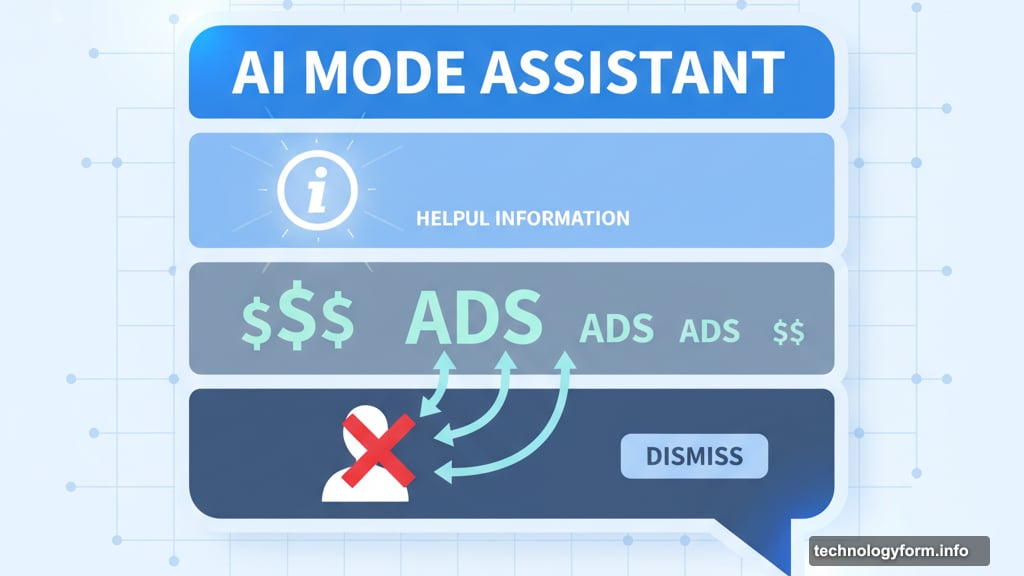
Sponsored content fundamentally changes how AI Mode operates. The algorithm now serves two masters: users seeking information and advertisers demanding visibility.
Those interests don’t always align. Actually, they rarely align.
When Google faces a choice between showing you the best answer versus showing you a sponsored answer, which way do you think they’ll lean? Their entire business model depends on ad revenue.
Search quality will degrade. Subtly at first. Then obviously. The pattern repeats across every platform that introduces advertising after launching ad-free.
The Enshittification Timeline Accelerates
Tech platforms used to take years to deteriorate from useful tools into advertising vehicles. AI companies are speedrunning that process.
Google launched AI Mode relatively recently. They’re already testing ads. X announced ad integration shortly after launching its AI features. OpenAI hasn’t even released advertising yet, but they’re clearly preparing the infrastructure.
This breakneck pace should concern everyone who relies on AI tools. The window of genuinely helpful, ad-free AI assistance is closing rapidly.
Maybe it already closed. We’re just noticing now.
The lesson here? Enjoy your AI chatbots while they still prioritize your needs over advertiser budgets. That privilege won’t last much longer. Google’s tests prove the industry’s already decided which direction to head.
Your AI assistant is about to become your AI salesperson. Ready or not.