Gmail’s Spam Filter Just Broke. Millions Got Flooded With Junk
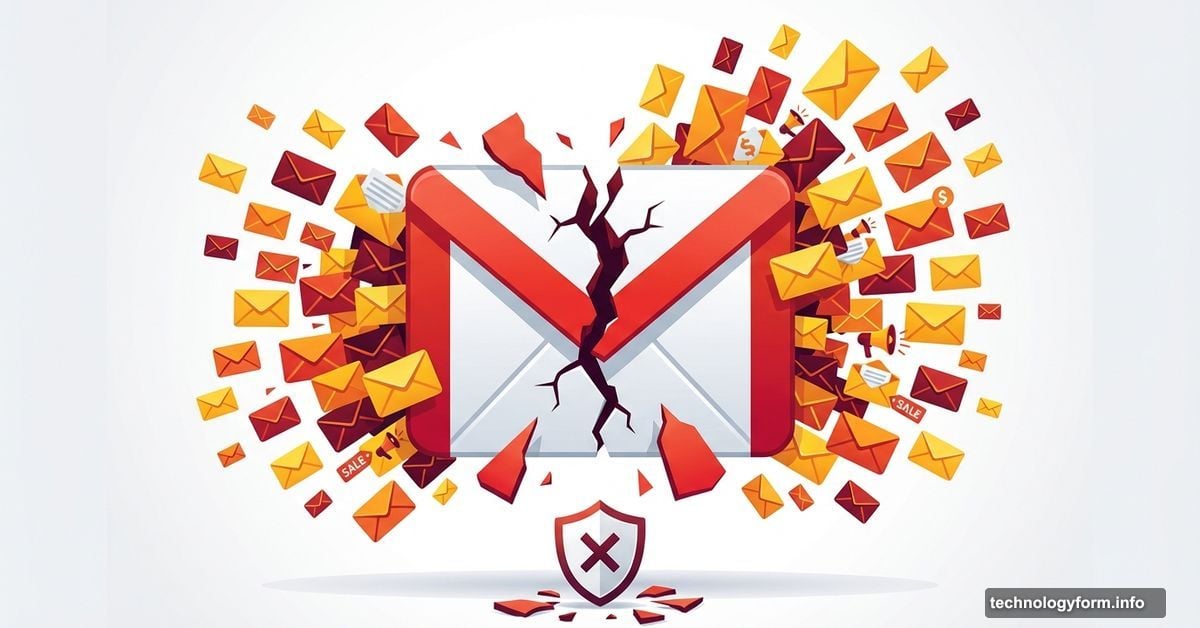
Your inbox probably exploded on Saturday. Promotional emails everywhere. Spam warnings on legitimate messages. Gmail’s automatic filters simply stopped working.
Google confirmed the issue affected all users. Then, late Saturday night, they announced it was fixed. But the chaos lasted hours, and it exposed how fragile our email infrastructure really is.
What Actually Happened
Gmail’s sorting system crashed hard. The filters that normally keep promotional emails out of your main inbox failed completely.
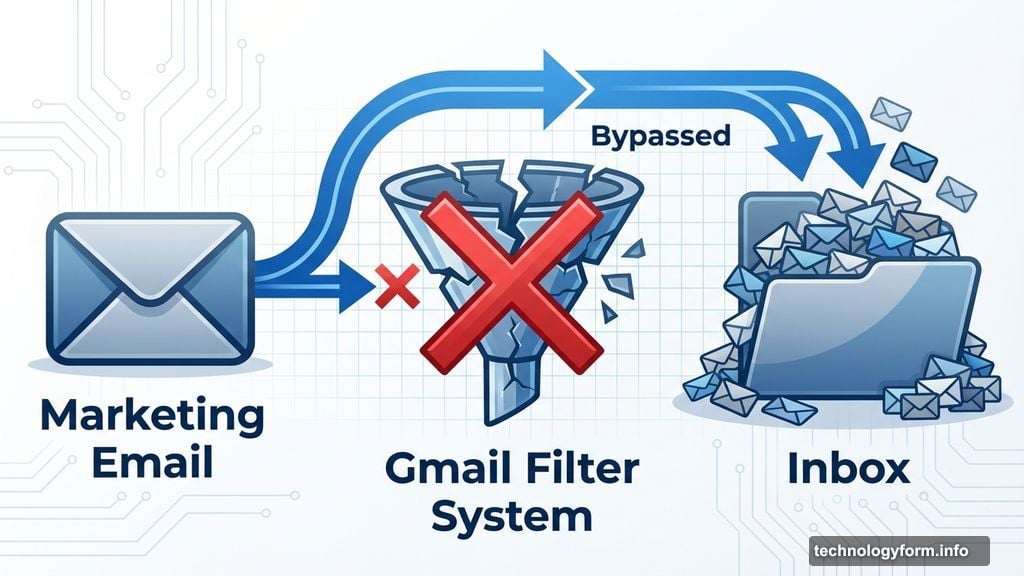
Instead of landing in the Promotions tab, marketing emails flooded primary inboxes. Users reported hundreds of unfiltered messages appearing suddenly. Plus, Gmail displayed warning banners on emails that hadn’t been scanned for spam.
Some users saw notices saying “Gmail hasn’t scanned this message for spam, unverified senders, or harmful software.” That’s alarming when you’re trying to determine if an email is safe to open.
The issue went beyond sorting problems. Many users reported delays receiving messages entirely. This created serious headaches for two-factor authentication logins, which rely on timely email delivery.
Social media and DownDetector filled with complaints throughout Saturday. Then Google acknowledged the problem on its Workspace status dashboard and X.
Why Email Filters Matter More Than Ever
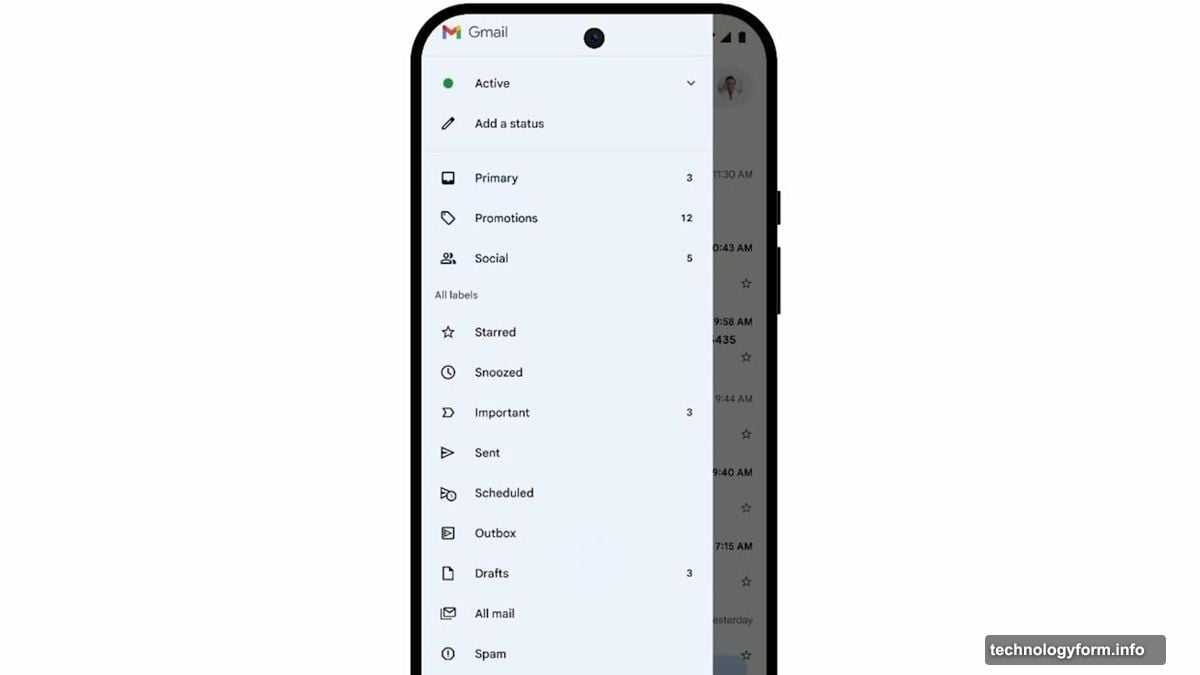
Most people don’t think about email filtering until it breaks. But Gmail processes billions of messages daily, and those automatic filters do heavy lifting.
The system categorizes emails into Primary, Social, Promotions, and Updates tabs. This happens instantly and mostly invisibly. When it works, your inbox stays clean and manageable.
But Saturday’s failure showed what happens without filtering. Marketing emails that normally hide in the Promotions tab suddenly demand attention. Your inbox becomes unusable fast.
Moreover, spam detection protects users from malicious emails. When those scans don’t run, every message becomes a potential threat. Users must manually evaluate each email’s safety, which takes time and creates risk.
Two-factor authentication issues compounded the problem. Modern security depends on timely email delivery. Delayed verification codes lock users out of accounts, creating both inconvenience and security vulnerabilities.
Google’s Response Was Quick But Vague
Google confirmed the issue Saturday and declared it “fully resolved” by evening. The company said an investigation is underway and promised to publish analysis once complete.
However, Google hasn’t explained what caused the failure. Their statement mentioned “misclassification of emails” and “additional spam warnings” but provided no technical details about the root cause.
A spokesperson told Engadget they’re “actively working to resolve the issue” and encouraged users to “follow standard best practices when engaging with messages from unknown senders.” That’s standard corporate language that doesn’t actually explain anything.
The Workspace status dashboard now shows the issue as resolved. But many users remain curious about what went wrong and whether it could happen again.
What This Means for Email Reliability
Saturday’s outage raises uncomfortable questions about email dependence. Gmail hosts roughly 1.8 billion active users. When it fails, significant portions of the internet communication system break down.
Email filtering seems like a convenience feature. But it’s actually critical infrastructure. Without it, inboxes become unusable, productivity drops, and security risks increase.
The incident also highlights how little control users have over their email service. When Gmail’s filters fail, there’s no manual override or backup system. You simply wait for Google to fix it.
Plus, the lack of transparency about the root cause is frustrating. Users deserve to know if this was a software bug, infrastructure failure, or something else. That information helps assess whether similar failures might occur.
How to Protect Yourself Next Time
You can’t prevent Gmail’s filters from failing again. But you can reduce the impact when problems occur.
First, maintain backup email accounts. Don’t rely solely on Gmail for critical communications. A secondary account through a different provider ensures you can still receive important messages during outages.
Second, adjust two-factor authentication settings. Many services offer authenticator apps as alternatives to email codes. Apps like Google Authenticator or Authy work without email delivery, eliminating that vulnerability.

Third, regularly audit your email subscriptions. Fewer promotional emails mean less chaos when filters fail. Unsubscribe from marketing lists you don’t actually read. This reduces inbox volume under normal circumstances and during failures.
Finally, use email client desktop applications when possible. Programs like Outlook or Thunderbird download messages locally. During service disruptions, you’ll still have access to existing emails even if new messages delay.
The Bigger Picture on Cloud Dependence
This Gmail incident reflects broader concerns about cloud service reliability. When billions of users depend on single platforms, isolated failures create widespread problems.
Google generally maintains impressive uptime. But no system is perfect. Saturday proved that even tech giants experience failures that affect millions simultaneously.
The centralization of digital services creates efficiency but also vulnerability. When Gmail works, it’s convenient and powerful. When it doesn’t, alternatives don’t exist for most users.
Companies need better communication during outages. Generic statements about “working to resolve issues” don’t satisfy users who need to understand if their data is safe and when normal service will resume.
Saturday’s chaos lasted hours, not days. Google fixed it relatively quickly. But the incident serves as a reminder that digital infrastructure remains fragile despite its apparent reliability.
Your email will probably work fine tomorrow. Just remember that “probably” isn’t the same as “guaranteed.” Plan accordingly.