OpenAI’s GPT-5.5 Targets Coders, Researchers and Agentic AI Work
OpenAI just dropped another model, and this one feels different. GPT-5.5 isn’t trying to chat your way through a recipe. It’s built for serious work.
The new model arrived exactly seven weeks after ChatGPT 5.4 — a pace that shows just how fast OpenAI is moving right now. So what makes this one worth paying attention to?
What GPT-5.5 Is Built For
This isn’t a general-purpose upgrade dressed up in marketing language. GPT-5.5 targets three specific areas: coding, computer use, and research.
OpenAI President Greg Brockman put it plainly. He said the model can “look at an unclear problem and figure out just what needs to happen next.” That’s a meaningful shift. Previous models needed more hand-holding. This one is meant to figure things out on its own.
Plus, GPT-5.5 scored higher than its predecessor on benchmarks measuring app navigation across your computer and solving math problems. Both are real signals of improved agentic performance.
Agentic Computing Gets a Serious Upgrade
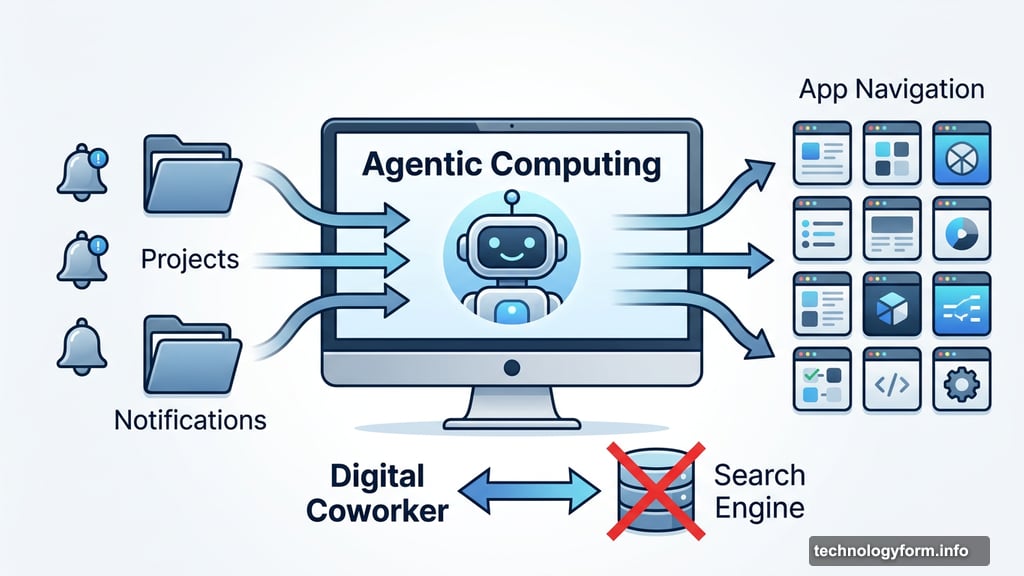
Here’s the big idea behind GPT-5.5. OpenAI, like most major AI labs right now, wants to build a true digital assistant. Not something that answers questions in a chat box. Something that manages your notifications, juggles projects, and works across your entire computer.
GPT-5.5 is OpenAI’s strongest attempt at that yet. Brockman called it “the foundation for how we’re going to do computer work going forward, or how agent computing at scale will work.”
It carries agentic capabilities, meaning it can complete tasks independently. That puts it closer to a digital coworker than a search engine. And since it’s a general model, anyone can use it — though researchers and coders will likely squeeze the most value from it.
Who Can Access GPT-5.5 Right Now
Currently, GPT-5.5 is available for paying ChatGPT subscribers, Codex users, and people on the thinking and pro tiers. OpenAI plans to bring it to the API soon.
That rollout approach is intentional. Complex, capable models need testing at scale before they’re everywhere. And cybersecurity is a big part of why.
Cybersecurity Guardrails Come First
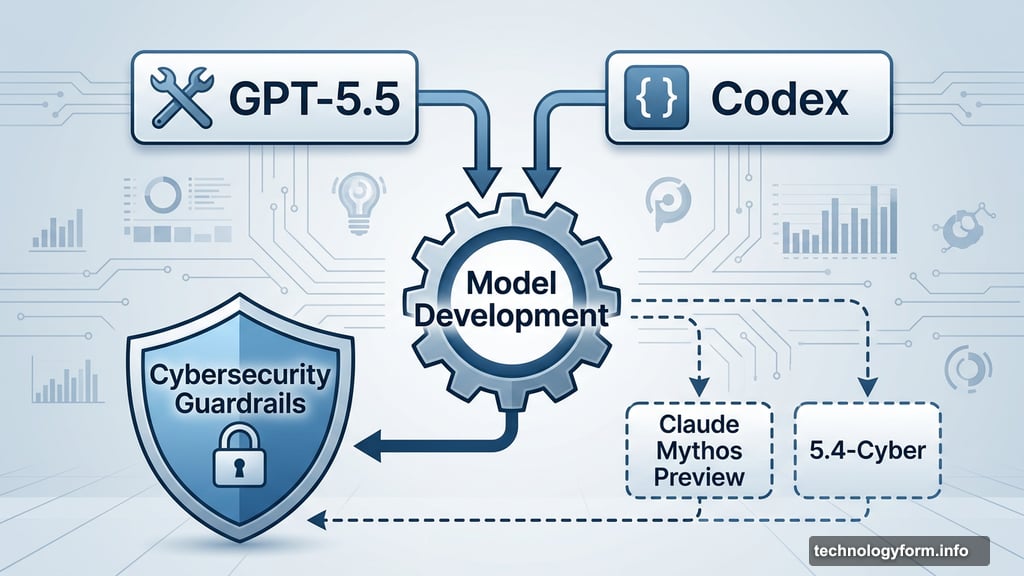
GPT-5.5 includes OpenAI’s strongest cybersecurity protections to date. At launch, the model takes a conservative approach to cybersecurity-related requests.
That caution isn’t accidental. More capable AI models can potentially find weaknesses in existing internet infrastructure. It’s a genuine risk. Both Anthropic’s Claude Mythos Preview and OpenAI’s own 5.4-Cyber model were released to developers first specifically to catch problems before wider public access.
OpenAI is applying the same careful logic here. More capability means more responsibility to contain potential misuse.
AI Helping Build Better AI
One of the more fascinating details from the GPT-5.5 announcement: OpenAI used 5.5 and Codex to help build the model itself during development. That’s not a gimmick. It reflects a real shift in how research gets done.
GPT-5.5 also forms part of the foundation for the super app OpenAI wants to build around Codex. Research and product development are increasingly tangled together at OpenAI — each one pushing the other forward.
What OpenAI’s Own Scientists Say About AI Replacing Them
This is where things get genuinely interesting. OpenAI’s top researchers were asked whether GPT-5.5 makes their jobs obsolete. None of them seemed worried.
Mark Chen, OpenAI’s chief research officer, described a near-term future where human researchers act as “orchestrators” — directing AI-assisted work rather than being replaced by it.
Chief scientist Jakub Pachocki framed it this way: “It allows you to make progress much more quickly and spend your focus, your energy on figuring out, ‘What are the important things?’… There is no point in automating things for their own sake.”
And VP of research Mia Glaese said more capable AI raises “the threshold of what’s worth building” — suggesting that better AI tools actually inspire more ambitious research, not less of it.
That’s a perspective worth holding onto. The people building the most capable AI models on earth aren’t losing sleep over their own relevance. Instead, they see these tools as something that lets them think bigger and move faster.
For the rest of us watching AI development from the outside, GPT-5.5 is a clear signal of where things are heading. AI agents that work across your entire computer, handle complex research tasks, and operate with minimal guidance are no longer a distant concept. They’re arriving in stages, and this is one of those stages.