Google’s AI Now Reads Your Gmail and Photos. Here’s What That Really Means
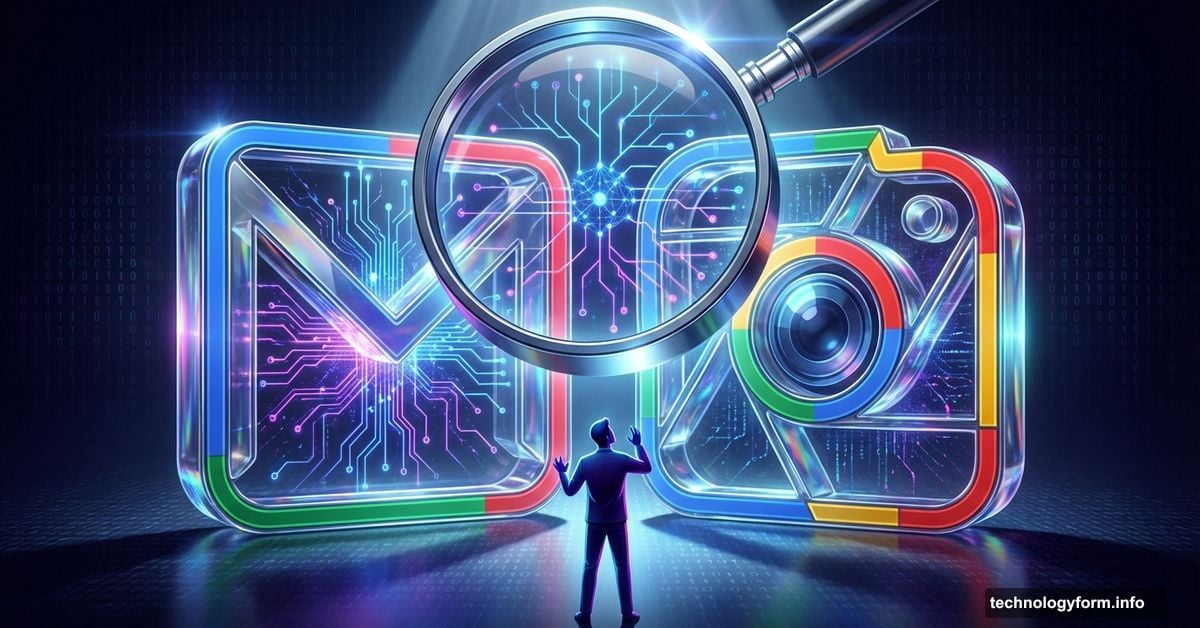
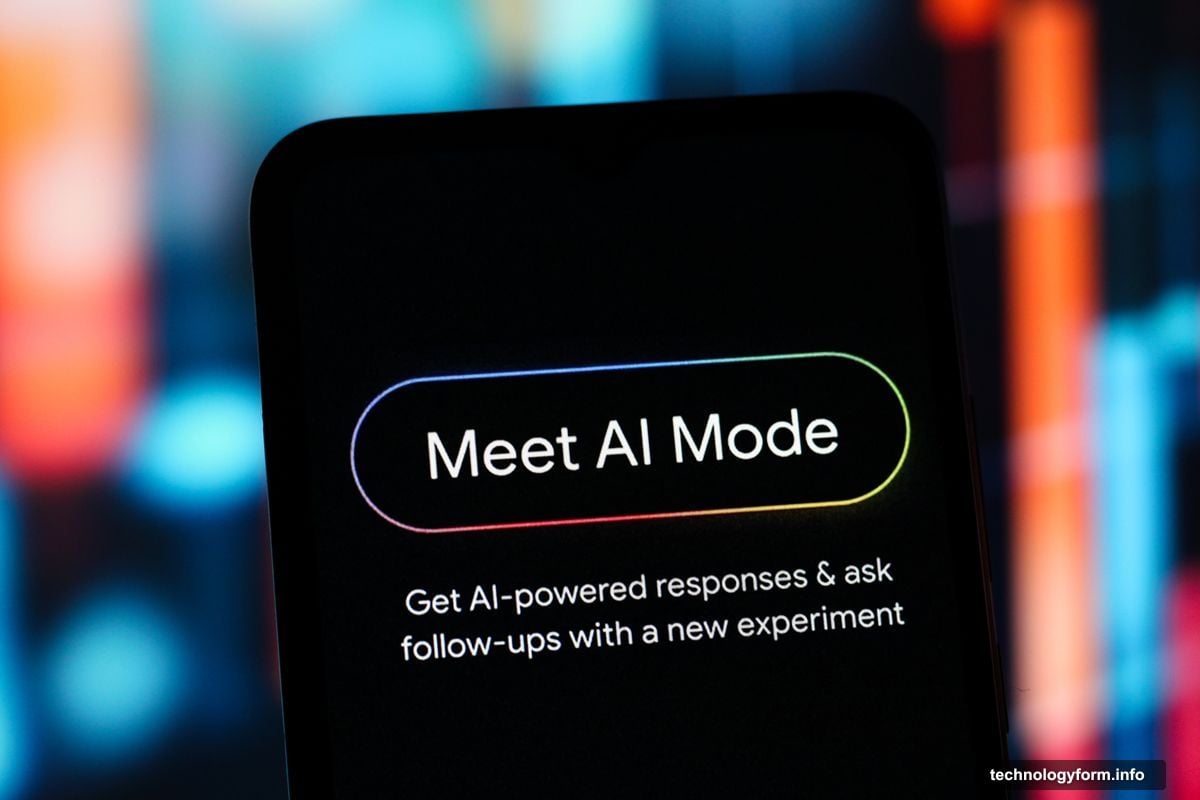
Google just made its AI uncomfortably personal. The company announced Thursday that AI Mode can now scan your Gmail inbox and Google Photos library to customize search results.
Sounds convenient, right? But this move marks a significant shift in how much of your personal data feeds Google’s AI systems. Let’s break down what’s actually happening and whether you should worry.
What AI Mode Actually Does Now
AI Mode is Google’s conversational search feature for complex queries. Previously, it worked like a smarter search engine. Now it acts more like a personal assistant with full access to your digital life.
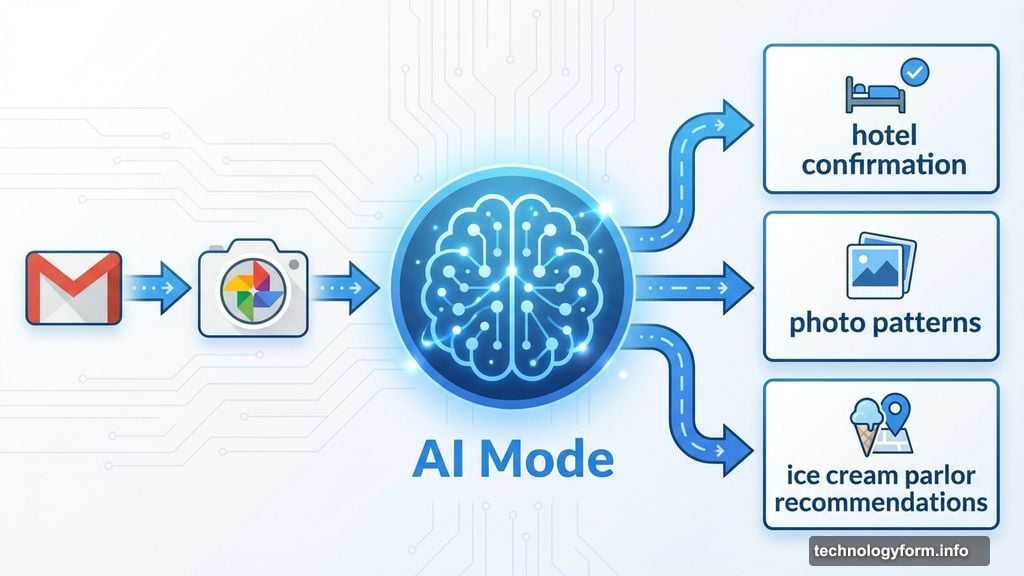
The new “Personal Intelligence” feature connects across your Google ecosystem. It pulls from Gmail, Google Photos, Search history, and YouTube activity to tailor responses specifically to you.
Say you’re planning a family vacation. AI Mode can read your hotel confirmation from Gmail. Then it scans your Photos library for patterns. Maybe you’ve taken dozens of ice cream selfies over the years.
So instead of generic restaurant suggestions, you get recommendations for that vintage ice cream parlor downtown. Because AI Mode “knows” your family loves ice cream based on your photo history.
Personal Shopper or Privacy Nightmare?
Google positions this as your personal shopper who already knows your style. The example they give involves buying a coat.
You mention needing outerwear for an upcoming trip. AI Mode reads your flight confirmation in Gmail. Chicago in March. Cold and windy.
Then it analyzes your purchase history to identify preferred brands. Finally, it suggests windproof coats that match both the weather and your typical style.
That’s genuinely useful. But it requires AI systems constantly monitoring your email and analyzing your photos for patterns. Not everyone wants that level of scrutiny, even from an algorithm.
The Data Google Isn’t Training On (Supposedly)
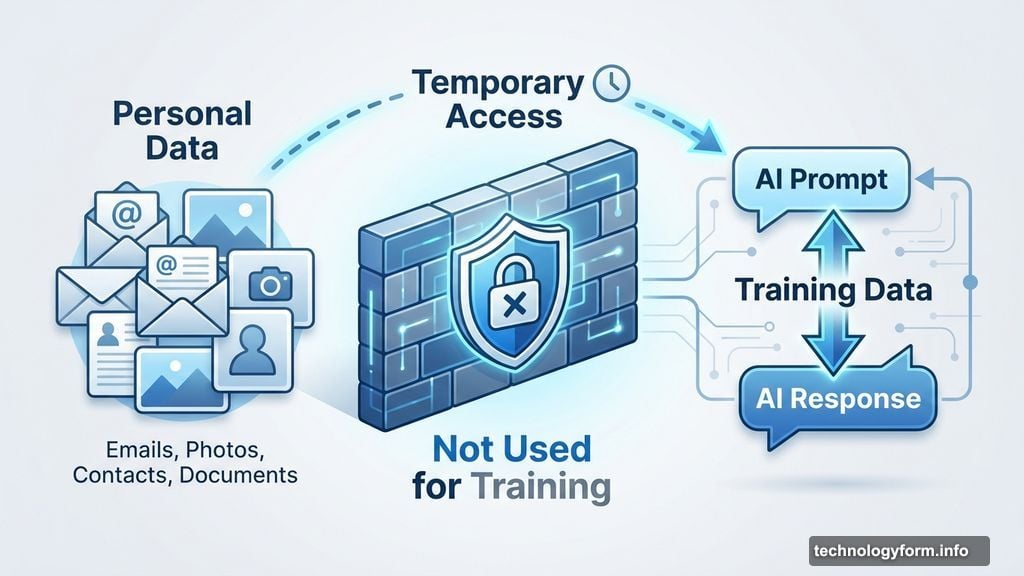
Google claims AI Mode doesn’t train directly on your inbox or photo library. Instead, it trains on specific prompts you enter and the model’s responses to those prompts.
That’s an important distinction. Direct training would mean your personal emails and photos become part of the AI’s base knowledge. Training on prompts means the system learns from how you interact with it, not from your raw personal data.
Still, AI Mode needs to access that personal data to generate responses. The difference is technical but matters for privacy. Your emails and photos stay yours, they just inform the AI’s answers temporarily.
Currently Limited to Paying Subscribers
Personal Intelligence in AI Mode is rolling out only to Google AI Pro and AI Ultra subscribers. That’s Google’s premium AI tier, which costs money.
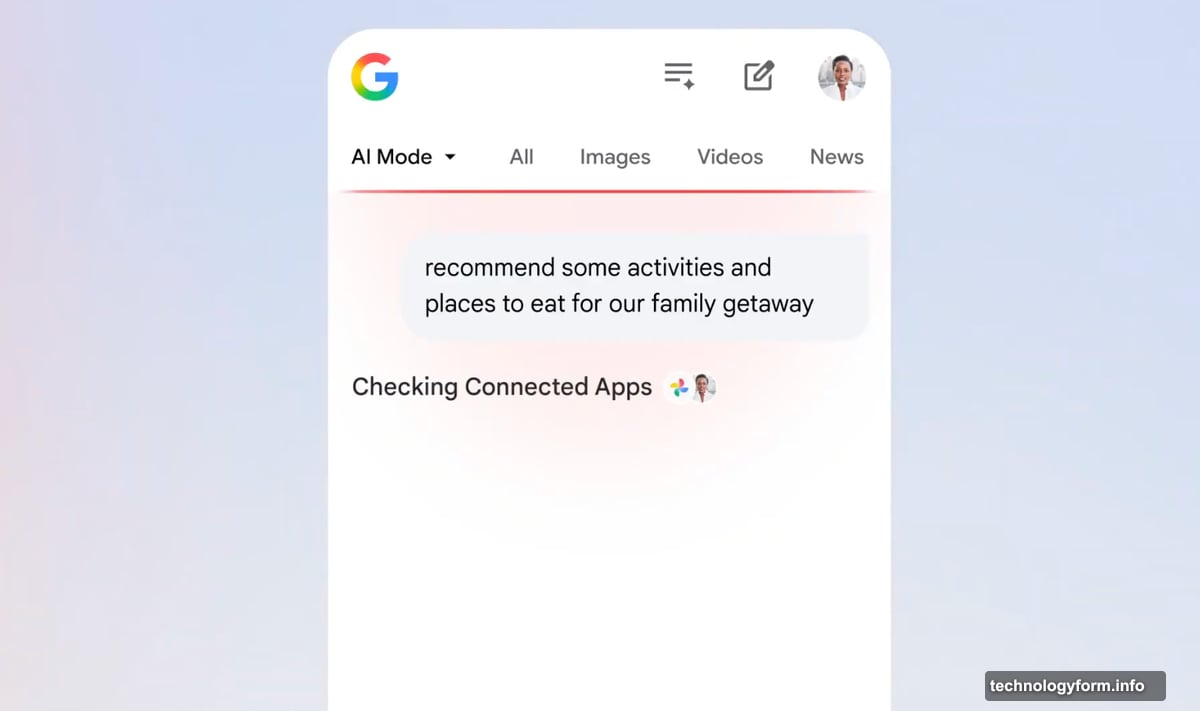
The feature works in English for U.S. users initially. You need to opt in explicitly. Google promises you can turn Personal Intelligence on or off anytime you want.
This limited rollout makes sense for testing. Google wants to gather feedback before pushing personal data integration to hundreds of millions of free users. Plus, limiting it to paid subscribers reduces potential liability if something goes wrong.
Google’s Ecosystem Advantage Gets Stronger
This move highlights Google’s massive competitive advantage. Most people already use Gmail and Google Photos. Many have years of data stored there.
Rivals like OpenAI or Anthropic can’t easily access that personal information. They’d need users to manually connect accounts and grant permissions. Google already has everything integrated.
For users, this means more personalized experiences without extra setup. For competitors, it creates a nearly insurmountable moat around Google’s AI products. Your data becomes the lock-in mechanism.
Real-World Use Cases Beyond Shopping
Google suggests several practical applications beyond vacation planning and coat shopping.
You could ask AI Mode to “Make a scavenger hunt for [partner’s name] to celebrate our anniversary. For each location, include a hint about us.” The AI pulls from your shared photos and email history to create personalized clues.
Or you might request “I’m decorating [child’s name]’s bedroom, give me ideas for a theme and suggestions for decor.” AI Mode analyzes photos of your child’s interests and past purchases to suggest themes they’d actually like.
These examples sound helpful. But they also demonstrate how deeply AI Mode will understand your personal life. Every photo, every email, every purchase becomes data the AI uses to predict what you want.
The Trade-Off Nobody’s Discussing
Google frames Personal Intelligence as pure convenience. You get better recommendations without explaining your preferences repeatedly.
That’s true. But there’s a trade-off nobody’s explicitly acknowledging. You’re giving AI systems permission to analyze your entire digital footprint to make those recommendations possible.
Maybe you’re comfortable with that exchange. Many people trust Google with their data already. But understanding the trade-off matters before opting in.
Your emails contain sensitive information. Your photos reveal personal moments. AI analysis of both creates a detailed psychological profile that goes beyond simple preference matching.
Why Google Launched This Now
Personal Intelligence in Gemini launched just last week. Bringing it to AI Mode this quickly suggests Google sees this as strategically critical.
The AI race is heating up. OpenAI, Anthropic, and others are releasing increasingly capable models. Google needs differentiation beyond raw model performance.
Personal data integration provides that differentiation. Nobody else has Gmail’s 1.8 billion users or Google Photos’ billions of stored images. Leveraging that data gives Google an answer competitors can’t easily replicate.
Plus, personalization makes AI stickier. Once you rely on recommendations based on your personal data, switching to a rival becomes harder. You’d lose all that customization.
Should You Turn This On?
That depends on how much you value convenience versus privacy. If you already trust Google with your email and photos, Personal Intelligence probably won’t change your risk profile significantly.
Google already scans your Gmail for features like Smart Compose and spam filtering. It already analyzes your photos for face recognition and object detection. Personal Intelligence just extends that analysis to AI responses.
But if you’re uncomfortable with AI systems reading your emails or analyzing your photos, opt out. Google says the feature is entirely optional. Your search experience won’t fundamentally break without it.
The question is whether slightly better vacation recommendations justify giving AI deeper insight into your personal life. Only you can answer that.