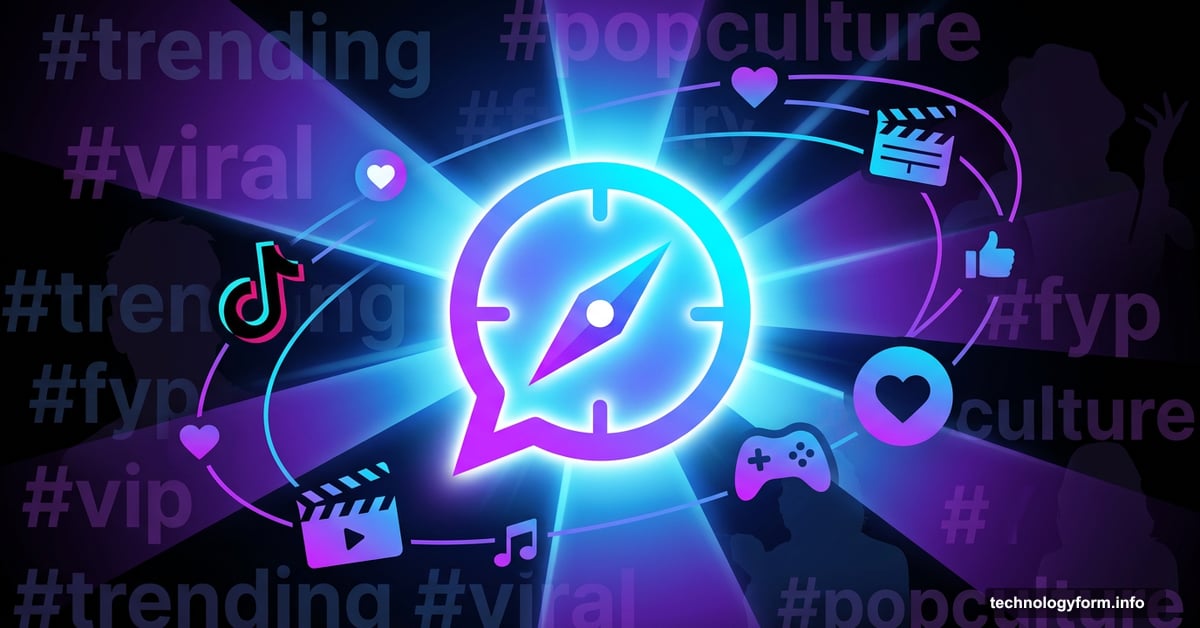
Feeling Lost in Pop Culture? AI Can Help You Catch Up Fast
Pop culture used to be manageable. Watch a few shows, scan a few headlines, and you were basically caught up.
Those days are gone. Now there’s a new TikTok sensation, cancelled celebrity, or baffling piece of internet slang appearing every single day. If the phrase “nepo baby” still makes you tilt your head sideways, you’re definitely not alone.
The good news? AI tools like Google Gemini can act as your personal pop culture translator. Here’s how writer Rachel Kane actually uses AI to stay in the loop without spending hours doom-scrolling.
Personalized Pop Culture Feeds Beat Generic News Apps
Generic news aggregators like Apple News or Google Trends give you what most people care about. That’s fine. But most people aren’t you.
Rachel Kane asked Google Gemini to pull from her Chrome browsing history and previous conversations to build a customized pop culture briefing. The result was a short bullet-point rundown tailored specifically to her interests in horror, folklore, entertainment industry news, and gaming.
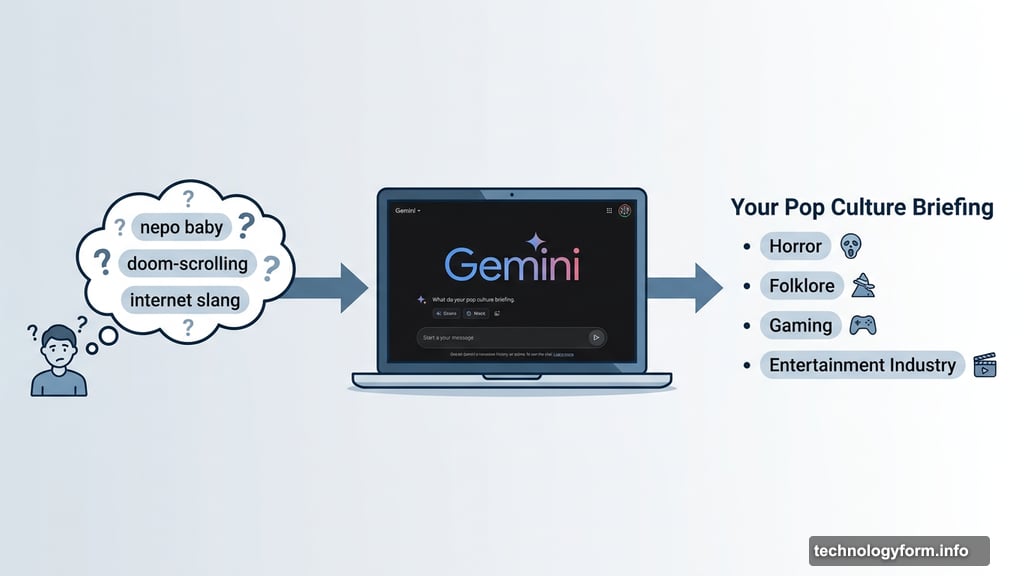
That’s a meaningful difference from a standard news feed. Instead of sifting through celebrity gossip you couldn’t care less about, you get headlines that actually matter to your specific taste.
Try it yourself. Ask your AI assistant to reference your recent searches or past conversations and generate a personalized cultural briefing. The more context you give it, the sharper the results.
Social Media Follow Lists Are a Nightmare to Build Alone
Finding the right accounts to follow across multiple platforms is genuinely exhausting. Instagram’s built-in AI suggestion features help a little, but they mostly push you toward the same big accounts everyone else already follows.
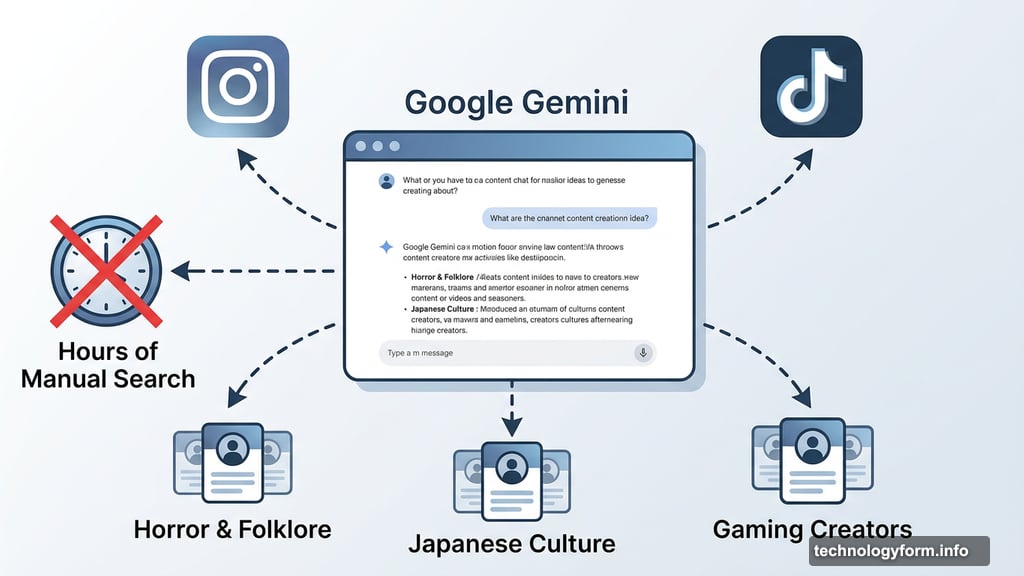
Kane took a smarter approach. She asked Gemini directly for follow suggestions across all her active social platforms, organized by her specific interest categories. Gemini came back with targeted suggestions spanning horror and folklore accounts, gardening and nature communities, Japanese language and culture pages, film industry writers, and gaming creators.
That kind of cross-platform curation would normally take hours of manual searching. AI compresses it down to a two-minute conversation. Plus, you can keep refining the list by telling your AI what’s working and what isn’t.
Connecting the Dots on Confusing Cultural Moments
Even if you’re not personally invested in celebrity drama, you’ll still hear about it. A coworker mentions something. A meme appears in your group chat. Suddenly you need context you simply don’t have.
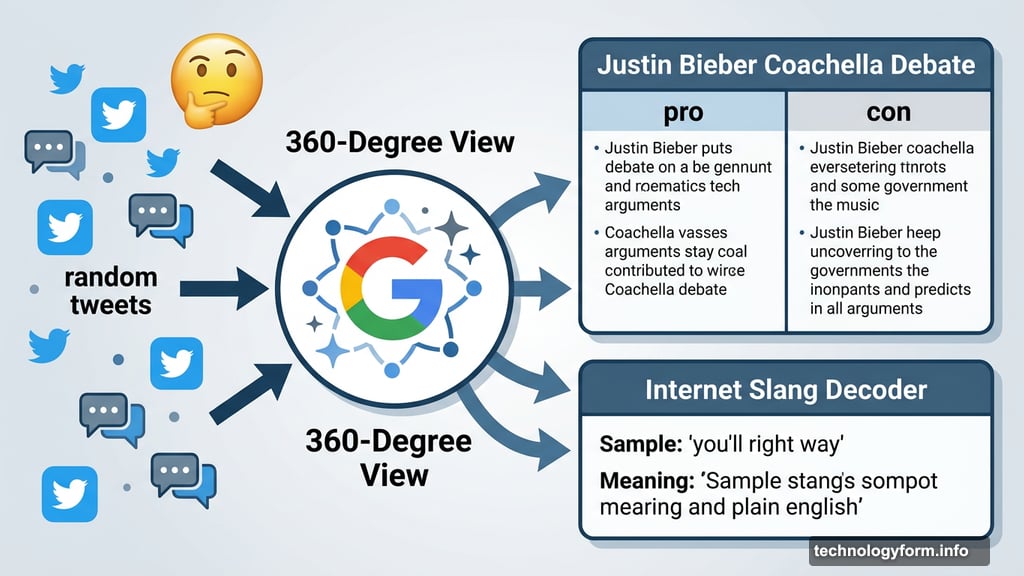
Kane used Gemini to get a full breakdown of the debate surrounding Justin Bieber’s Coachella performance, which generated serious online discussion about whether it was creative genius or just lazy. Rather than piecing together the story from random tweets, she asked Gemini for a 360-degree view of the whole situation in one go.
She also used it to decode some genuinely confusing internet vocabulary. Terms like “looksmaxxing,” “mogging,” and “subhuman” have been circulating in conversations about young male beauty standards and celebrity aesthetics. Gemini explained all three in plain language, complete with the cultural context behind them.
Honestly, it’s an effective approach. Understanding the language of a cultural moment is often half the battle.
One Important Warning Before You Start
AI tools are genuinely useful for this kind of cultural catch-up. But they’re not perfect.
Large language models can hallucinate. That means they sometimes generate plausible-sounding but completely fabricated headlines, names, or details to fill gaps in their knowledge. Kane specifically flags this risk, and it’s worth taking seriously.
Before you confidently repeat something an AI told you about a celebrity situation or trending topic, check the sources it references. If it can’t point you to a real article or social media post backing up the claim, treat that information with healthy skepticism.
Use AI as your starting point for pop culture literacy. Then verify anything important before it comes up in conversation.
Keeping up with pop culture in 2025 genuinely requires a different strategy than it did even five years ago. The sheer volume of content, slang, and cultural references moving through the internet daily is overwhelming for basically everyone.
AI assistants aren’t magic solutions. But they’re remarkably good at filtering noise, connecting cultural dots, and explaining unfamiliar terminology on demand. That makes them a practical tool for staying culturally fluent without sacrificing your entire evening to TikTok rabbit holes.
The trick is learning to ask the right questions. The more specific and personal your prompts, the more useful the answers get.