
Anthropic Dropped Claude Opus 4.7, and It’s Not the Model Everyone Was Waiting For
Anthropic just released a new AI model. But if you were holding your breath for Claude Mythos Preview, this isn’t it.
Claude Opus 4.7 is now live and available to the public. It’s built specifically for developers and vibe coders who need serious help with complex coding tasks. And while it won’t grab the same headlines as Mythos, it comes with some genuinely useful upgrades worth knowing about.
Opus 4.7 Finally Follows Instructions Like It Means It
One of the most frustrating things about AI models is when they loosely interpret what you actually asked for. Opus 4.7 fixes that.
Anthropic says this new model takes instructions literally. Previous Claude versions had a habit of skimming prompts or filling in gaps with their own assumptions. So if you gave detailed, specific instructions, you might get a response that only kind of matched what you wanted.
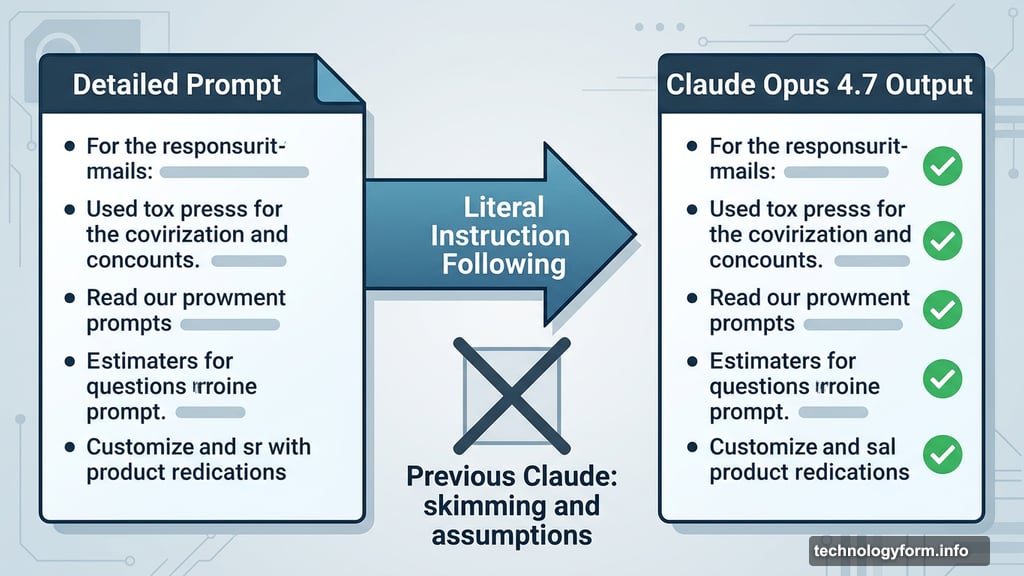
That changes here. Opus 4.7 is designed to follow your directions precisely. Think of it like a very well-trained assistant who reads every word of your brief instead of just skimming the first paragraph.
Memory, Images, and Better-Looking Outputs
Beyond instruction-following, Opus 4.7 also gets some practical quality-of-life improvements.
The model’s file-based memory system got a notable upgrade. It can now recall information from previous sessions and documents more reliably. That means less repeating yourself every time you start a new conversation.
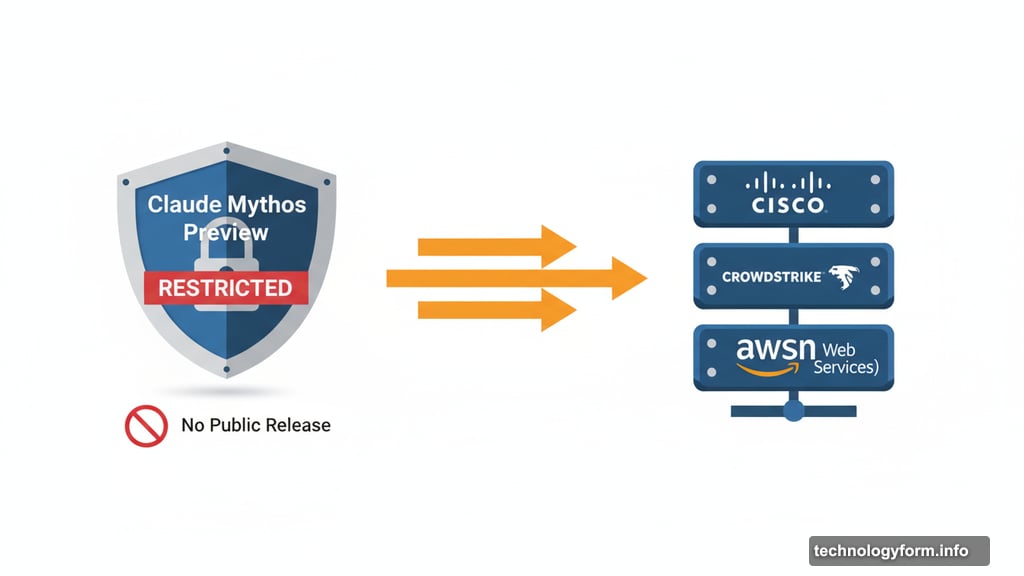
On the visual side, Opus 4.7 can handle larger image files and does a better job analyzing data pulled from charts and graphs. For anyone who regularly works with data-heavy documents, that’s a useful bump in capability.
Anthropic also says the model is more “tasteful and creative” when building interfaces, documents, and slide decks. The company hasn’t shared specifics on what separates good taste from bad taste in their view. But the implication is that outputs should look cleaner and feel more polished by default.
So What Happened to Claude Mythos Preview?
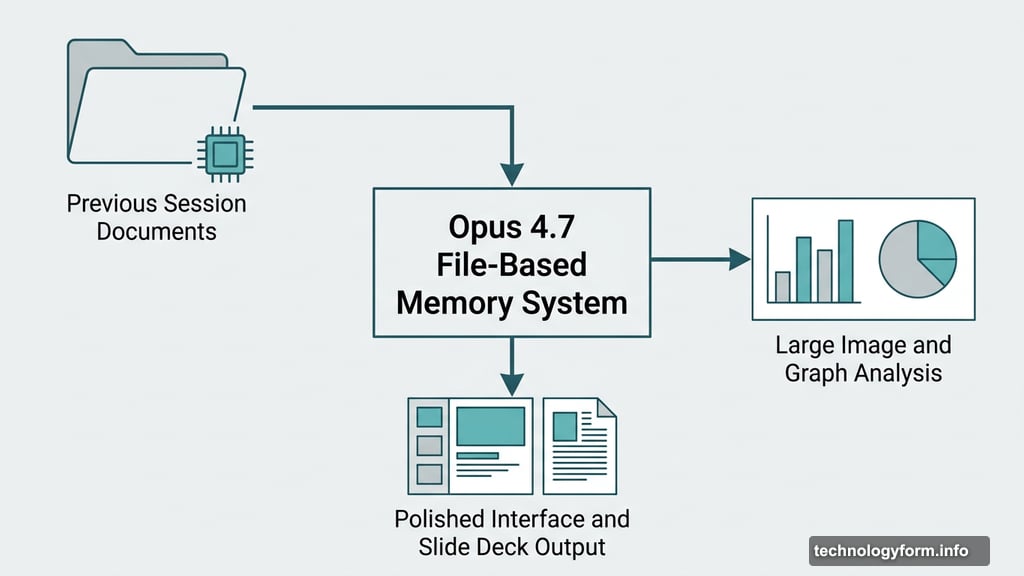
Earlier this month, Anthropic revealed Claude Mythos Preview to significant fanfare. The model turned out to be so effective at identifying security vulnerabilities that Anthropic decided not to release it publicly. Instead, they’re sharing it selectively with major tech and infrastructure companies like Cisco, CrowdStrike, and Amazon Web Services.
The idea is straightforward. If these companies can patch their systems using what Mythos finds, they become harder targets for bad actors who already have access to publicly available AI tools. It’s essentially using the most powerful version of the technology defensively, before the rest of the world gets to use it offensively.
Opus 4.7 Gets a Taste of Mythos-Level Security
Here’s where things get interesting. Even though Opus 4.7 isn’t Mythos, Anthropic is using it to test a lighter version of Mythos’s cybersecurity protections.
These safeguards automatically detect and block requests that point toward prohibited or high-risk cybersecurity uses. Anthropic describes them as a “watered-down” version of what will eventually ship in full Mythos-class models. But that doesn’t mean they’re trivial.
Cybersecurity is one of the fastest-moving battlegrounds in AI right now. Both defenders and attackers are leaning harder on AI tools every month. So even a scaled-back version of Mythos-level protection is a meaningful addition, especially as the technology keeps spreading.
Opus 4.7 isn’t the headline model Anthropic watchers hoped for. But it’s a real, usable upgrade for developers who want an AI that actually does what it’s told, remembers context, and doesn’t make your slide decks look like they were designed in 2009. That’s more useful than it sounds.