OpenAI Built a Cybersecurity AI Model You Can’t Touch Yet
OpenAI just released a brand new AI model. But you won’t find it in ChatGPT. Not yet, anyway.
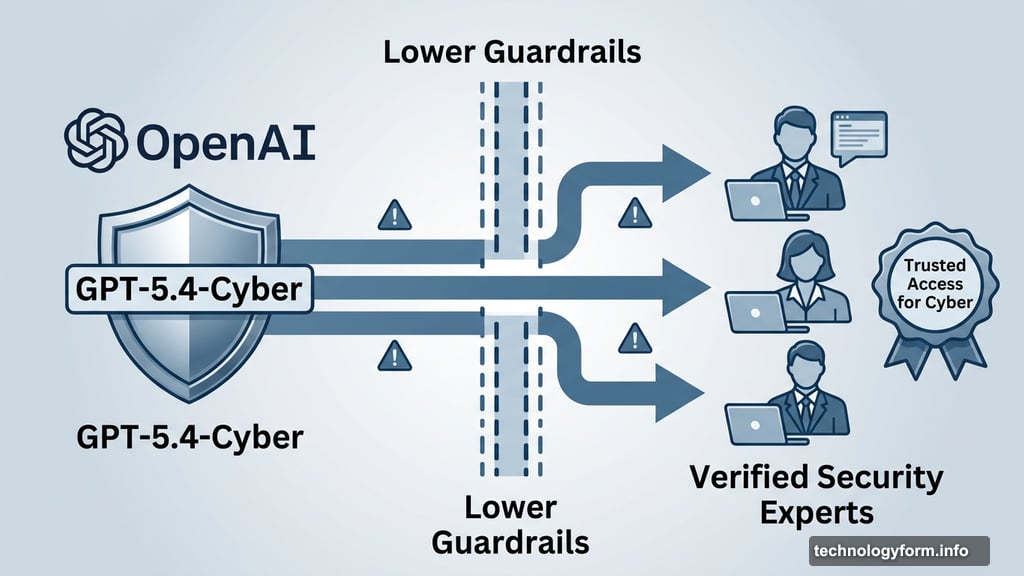
The model is called GPT-5.4-Cyber, and it’s designed specifically for cybersecurity work. Instead of a public launch, OpenAI quietly handed it off to a small group of verified security experts. Their job? Try to break it before the rest of us ever see it.
Trusted Access for Cyber Gets a Major Boost
This release is part of OpenAI’s Trusted Access for Cyber program. Think of it as a private beta, but for hackers — the good kind.
Verified cybersecurity professionals and organizations get early access to powerful models before they go public. They test defenses, probe for weaknesses, and hunt for jailbreaks. OpenAI uses everything they find to sharpen the model’s resilience against real-world attacks.
According to OpenAI’s blog post, this feedback helps the company understand “differentiated benefits and risks of specific models, improving resilience to jailbreaks and other adversarial attacks, and improving defensive capabilities — while mitigating harms.” That’s a lot of moving parts, and it requires people who genuinely know how to cause trouble in controlled environments.
What Makes GPT-5.4-Cyber Different
GPT-5.4-Cyber isn’t a completely new model built from scratch. Instead, it’s a fine-tuned version of the existing GPT-5.4 large language model (LLM), adjusted specifically for cybersecurity tasks.
Here’s the important part. This version has lower guardrails than the standard GPT-5.4. That means it’s less likely to refuse risky cybersecurity-related requests. Security testers need that flexibility to see exactly how the model could be weaponized by bad actors — and where the dangerous edges actually are.
So yes, intentionally giving a powerful AI fewer restrictions sounds alarming. But that’s the whole point. You can’t stress-test a model’s limits without pushing past the comfortable boundaries.
OpenAI Is Watching Anthropic Very Closely
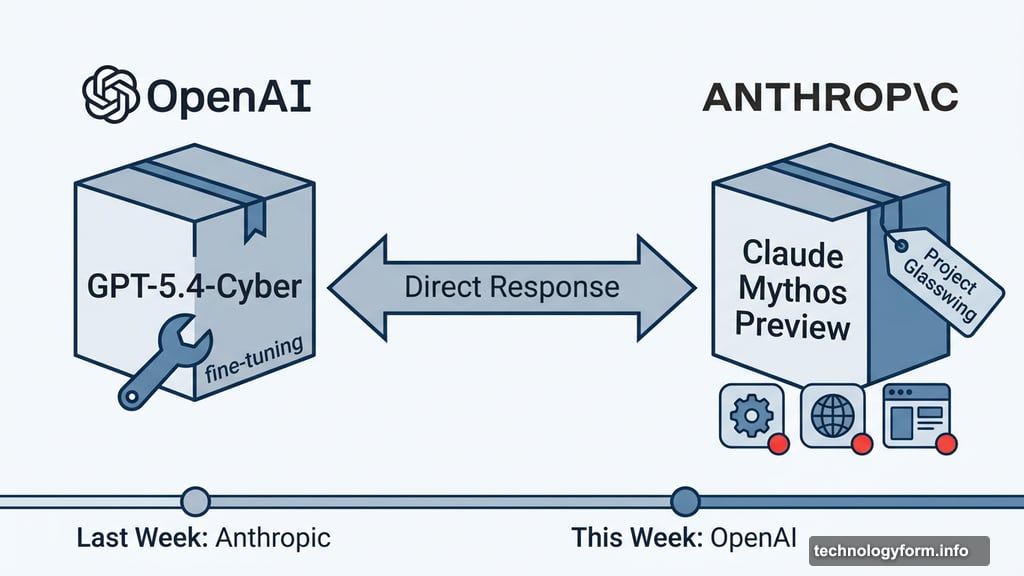
The timing here tells its own story. Just last week, Anthropic announced Project Glasswing, its own program for controlled access to next-generation AI models.
Anthropic’s Claude Mythos Preview, the model at the center of Project Glasswing, is reportedly so capable that the company says it has already discovered security vulnerabilities “in every major operating system and web browser.” That’s a striking claim, and it signals a new level of AI power that demands careful handling before public release.
OpenAI clearly took notice. GPT-5.4-Cyber appears to be a direct response — OpenAI’s way of saying it’s equally serious about responsible cybersecurity deployment.
AI vs. AI: The New Cybersecurity Reality
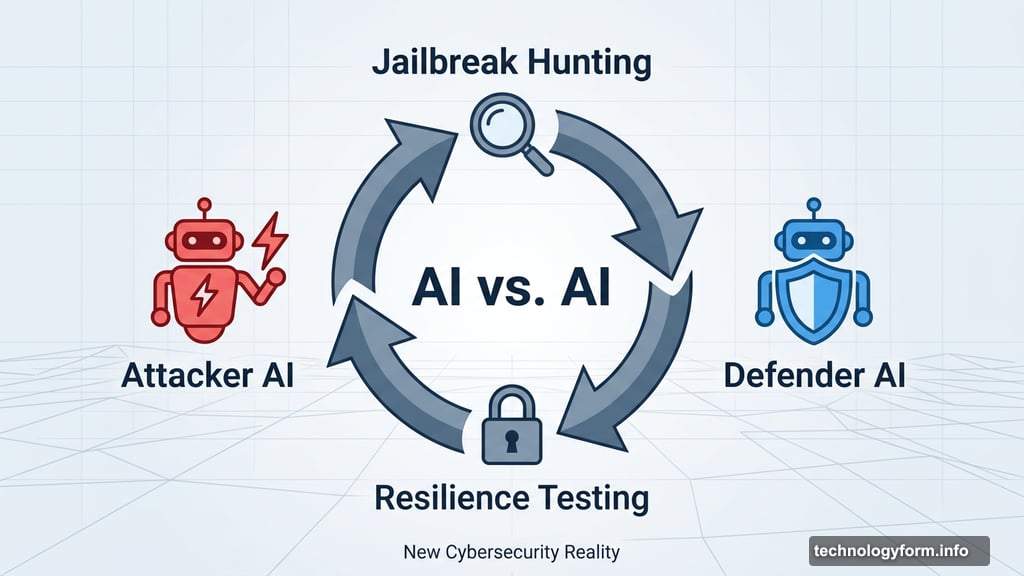
There’s a bigger picture worth understanding here. Cyber attackers and defenders now both use AI tools. That shifts the entire security landscape from humans versus humans to something closer to AI versus AI.
That makes programs like Trusted Access for Cyber more valuable than ever. Defenders need access to the same class of tools that attackers might exploit. Without that parity, security teams fall behind fast.
The OpenAI and Anthropic rivalry is fueling this race too. Both companies have been aggressively chasing government and enterprise contracts throughout the year. Anthropic made early waves with Claude Cowork and Code, which rattled legacy tech companies and their stock prices with strong agentic performance. OpenAI responded by upgrading its Codex coding platform and redirecting resources away from its AI video app Sora.
Cybersecurity is now another front in that battle.
When Will the Rest of Us Get Access?
OpenAI hasn’t confirmed a public release timeline for GPT-5.4-Cyber. The current phase is strictly about testing, refining, and hardening the model against adversarial attacks.
That process takes time. And honestly, for something this powerful, that’s probably the right call. The security experts currently pushing this model to its limits are doing the work that makes a safe public release possible down the road.
For now, GPT-5.4-Cyber lives in the hands of people whose job is to find every way it could go wrong. When they’re done, we’ll likely all get a version that’s much harder to misuse.