OpenAI Just Launched a Browser. Google Should Be Worried
OpenAI dropped a bomb on Tuesday. ChatGPT Atlas, their new AI-powered web browser, aims to replace Google Chrome as your main gateway to the internet.
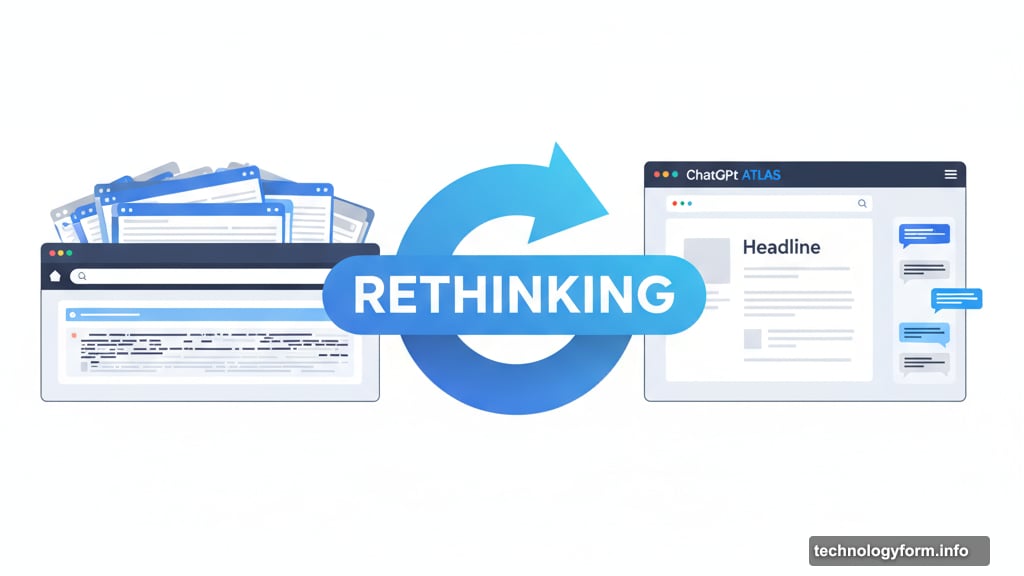
Sam Altman, OpenAI’s CEO, called it “a rare, once-in-a-decade opportunity to rethink the very nature of a browser.” Bold words. But after watching the demo, they might be justified.
This isn’t just another Chrome clone with AI features tacked on. It’s a fundamental rethinking of how we navigate the web.
Browsing Gets Conversational
Traditional browsers haven’t changed much in years. You type URLs. You click links. You open dozens of tabs until your computer begs for mercy.
ChatGPT Atlas flips that script. Instead of hunting through menus and tabs, you chat with your browser like you’d text a friend.
The AI lives in a sidebar. It watches what you’re doing and offers help without you asking. Need to summarize a long article? Want to find specific information on a page? Just ask.
Plus, no more copying and pasting between tabs. The AI already sees everything. It understands context. So it can answer questions about your current page instantly.
AI Agents Take Control
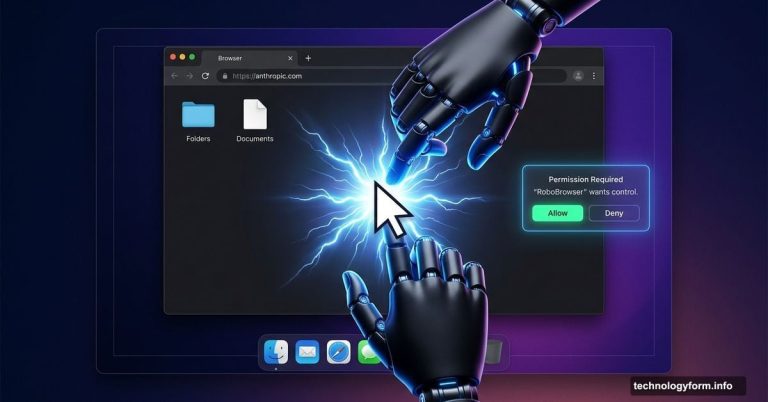
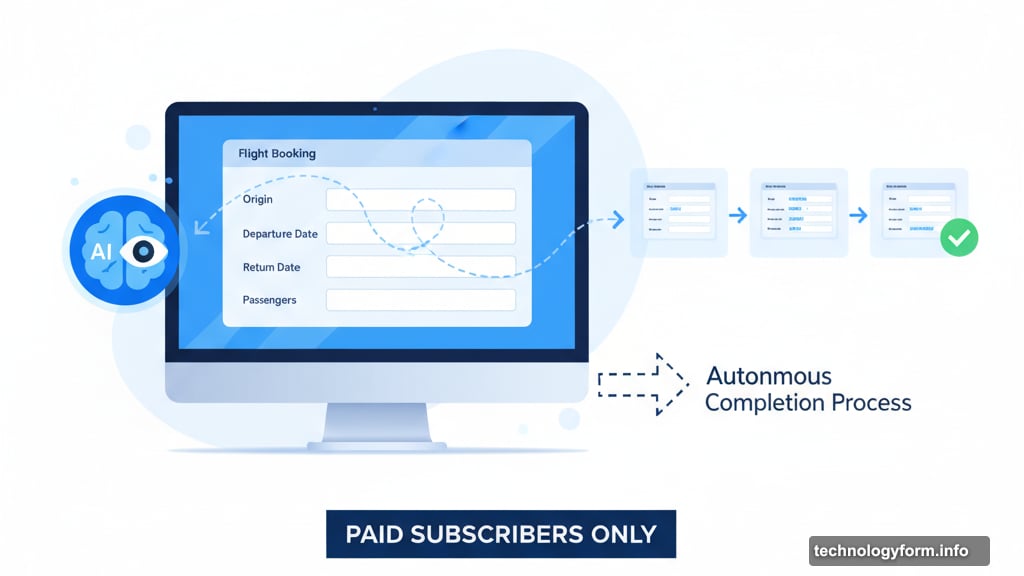
Here’s where things get wild. For paying subscribers, ChatGPT Atlas lets AI agents actually use your browser for you.
Book a flight? The AI can do it. Fill out a form? Done. Edit a document? Handled.
The agent moves your cursor. It clicks buttons. It completes tasks while you watch. Or you can walk away and let it work.
Sounds like science fiction. But it’s real. And it’s available now.
However, this feature only works for paid users. Free users get the conversational AI sidebar but not the autonomous agent capabilities.
The Competition Heats Up
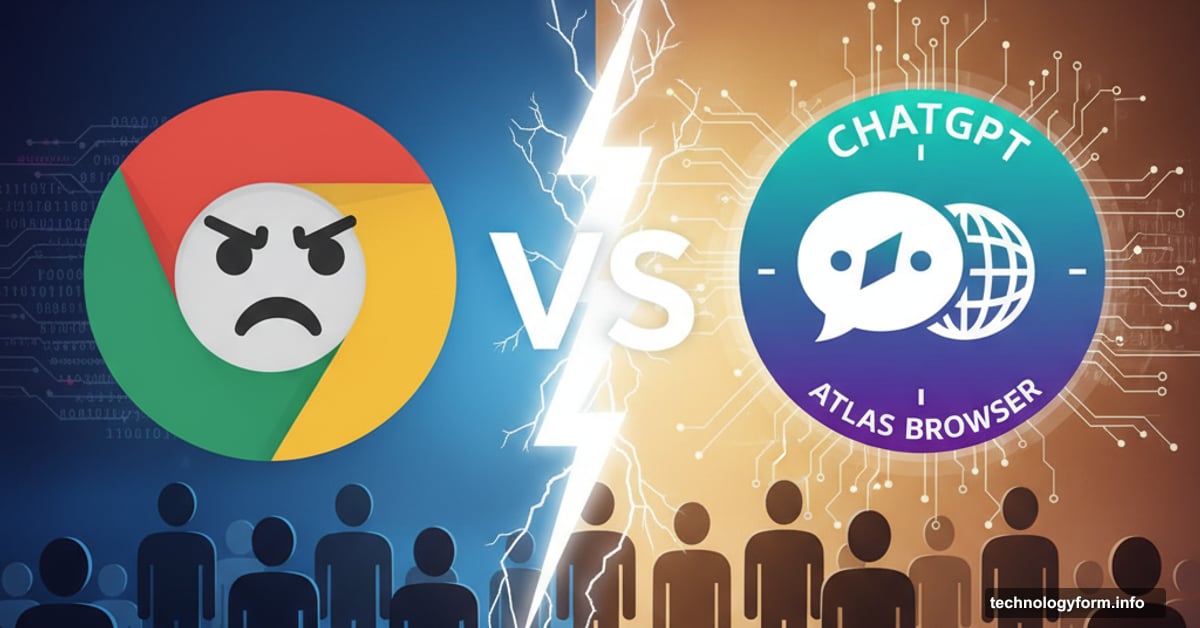
OpenAI isn’t alone in this space. Microsoft Edge already has Copilot. Perplexity AI offers Comet. Both integrate AI assistants into browsing.
But ChatGPT has one massive advantage. 800 million weekly users. That’s roughly 10% of everyone on Earth.
Most people already know ChatGPT. They trust it. They use it daily. So switching to a ChatGPT-powered browser feels natural, not risky.
Moreover, all these AI models perform similarly for everyday tasks. The winner won’t be decided by who has the smartest AI. It’ll come down to who builds the most pleasant interface.
“This marks another step in the race among tech companies to make their AI interface the number one portal for internet users,” said Jacob Bourne, an eMarketer analyst.
Google Flinched, Then Recovered
Google’s stock dropped nearly 5% when OpenAI teased ChatGPT Atlas two hours before the announcement. That’s how seriously investors take this threat.
But after the actual demo, Alphabet shares recovered most losses. They closed down just 1.87%.
Still, that initial panic tells you everything. Google knows its Chrome dominance isn’t guaranteed anymore. In fact, the US government tried forcing Google to sell Chrome earlier this year on antitrust grounds.
The courts ruled Google could keep Chrome. That was in September. But now OpenAI’s browser gives users a genuine alternative. One they might actually prefer.
Currently Mac-Only, More Coming Soon
ChatGPT Atlas launched Tuesday exclusively for macOS. Windows and mobile versions are coming. But Altman didn’t say when.
That limited availability might slow adoption initially. Most businesses run Windows. Many users live on their phones. So until OpenAI expands platform support, Atlas remains a power user tool for Mac fans.
On the other hand, starting with Mac makes sense. Apple users tend to adopt new tech faster. They’re more willing to switch tools. So launching there first builds momentum before tackling Windows.
The Real Battle Is Just Starting
OpenAI isn’t just competing with Google anymore. They’re fighting Microsoft, Perplexity, and probably Apple soon too. Everyone wants to own the AI interface you use most.
Why? Because whoever controls your browser controls your gateway to information. And information access means advertising revenue. Or subscription income. Or data to train better AI models.
The stakes couldn’t be higher. OpenAI’s valuation hit $500 billion recently. They’re ordering hundreds of billions in chips. Those numbers seem insane compared to current revenues.
But if ChatGPT Atlas succeeds? If it captures even 20% of the browser market? Those bets start looking smart.
Why This Matters for You
Traditional browsing feels increasingly outdated. We waste time clicking through menus. We struggle to find information on cluttered pages. We juggle too many tabs.
AI-powered browsers promise to fix all that. Ask questions instead of hunting. Let agents handle repetitive tasks. Get summaries instead of reading walls of text.
However, there’s a catch. These benefits only work if the AI actually understands your needs. If it misinterprets requests or makes mistakes, frustration replaces convenience.
So the winner in this browser war won’t just have the best AI. They’ll need the most reliable AI. The one that rarely screws up. The one you can trust with important tasks.
OpenAI has the user base. They have the brand recognition. Now they need to prove ChatGPT Atlas works better than Chrome for everyday browsing.
That’s a tall order. But if anyone can pull it off, it’s the company that made AI mainstream in the first place.