Danish Consumers Ditch American Products. These Two Apps Just Exploded
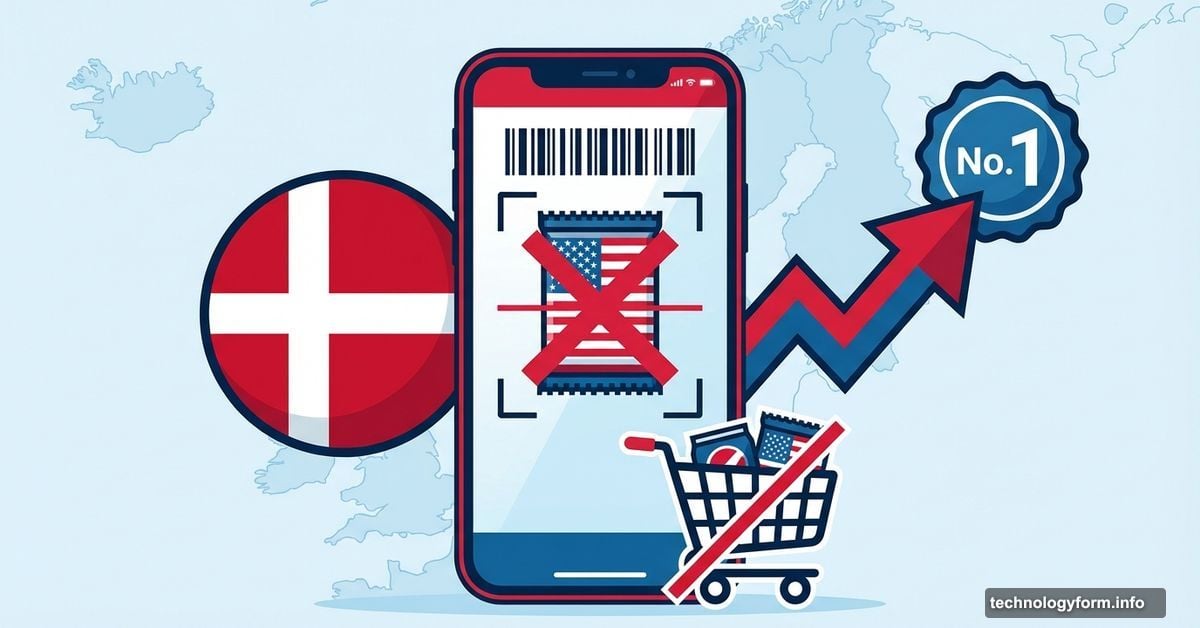
Danish shoppers are voting with their wallets. Two apps that help people avoid American products just rocketed to the top of Denmark’s App Store after Trump threatened to seize Greenland.
This isn’t just digital protest. It’s a grassroots movement that’s canceling Netflix subscriptions, ditching U.S. vacations, and scanning every product barcode before checkout. Plus, the trend is spreading across Nordic countries faster than anyone expected.
Two Apps Lead the Charge
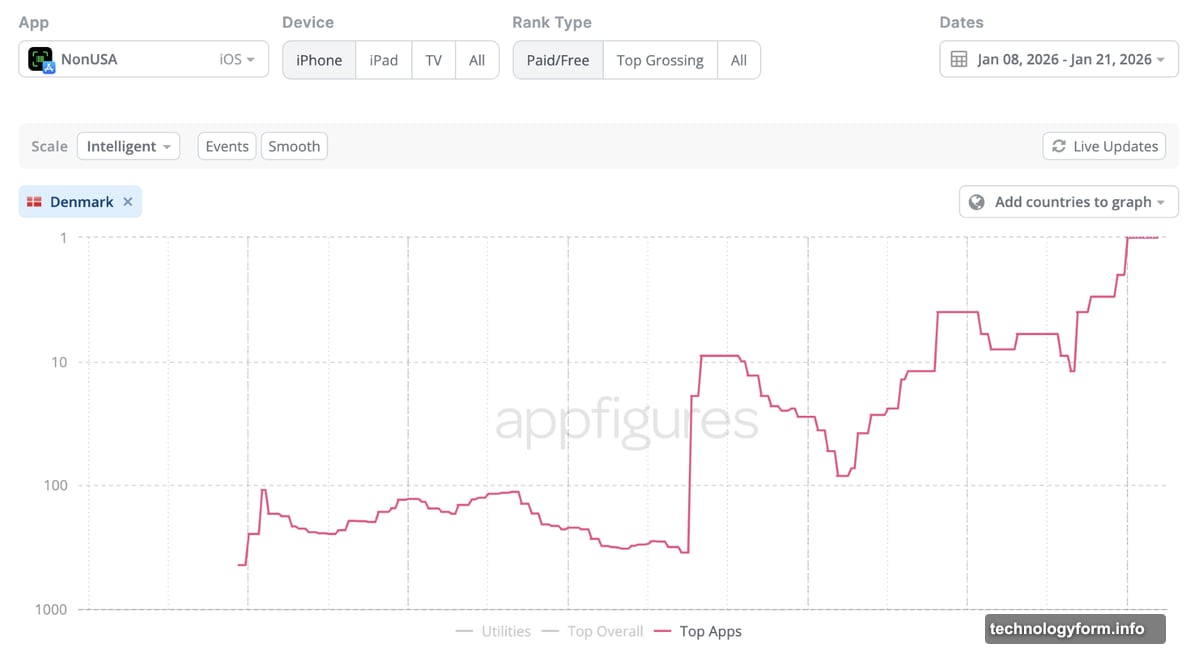
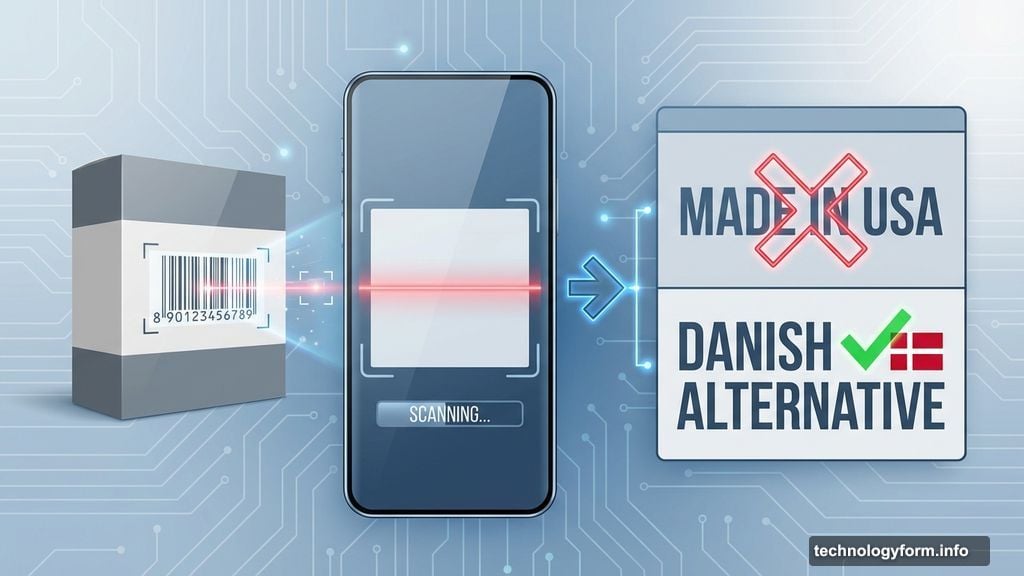
NonUSA and Made O’Meter turned into overnight sensations. NonUSA jumped from No. 441 to No. 1 in just days. Made O’Meter sits at No. 5 right now.
What do these apps actually do? Simple. You scan a product’s barcode with your phone. The app shows where it’s made. Then it suggests local Danish alternatives you can buy instead.
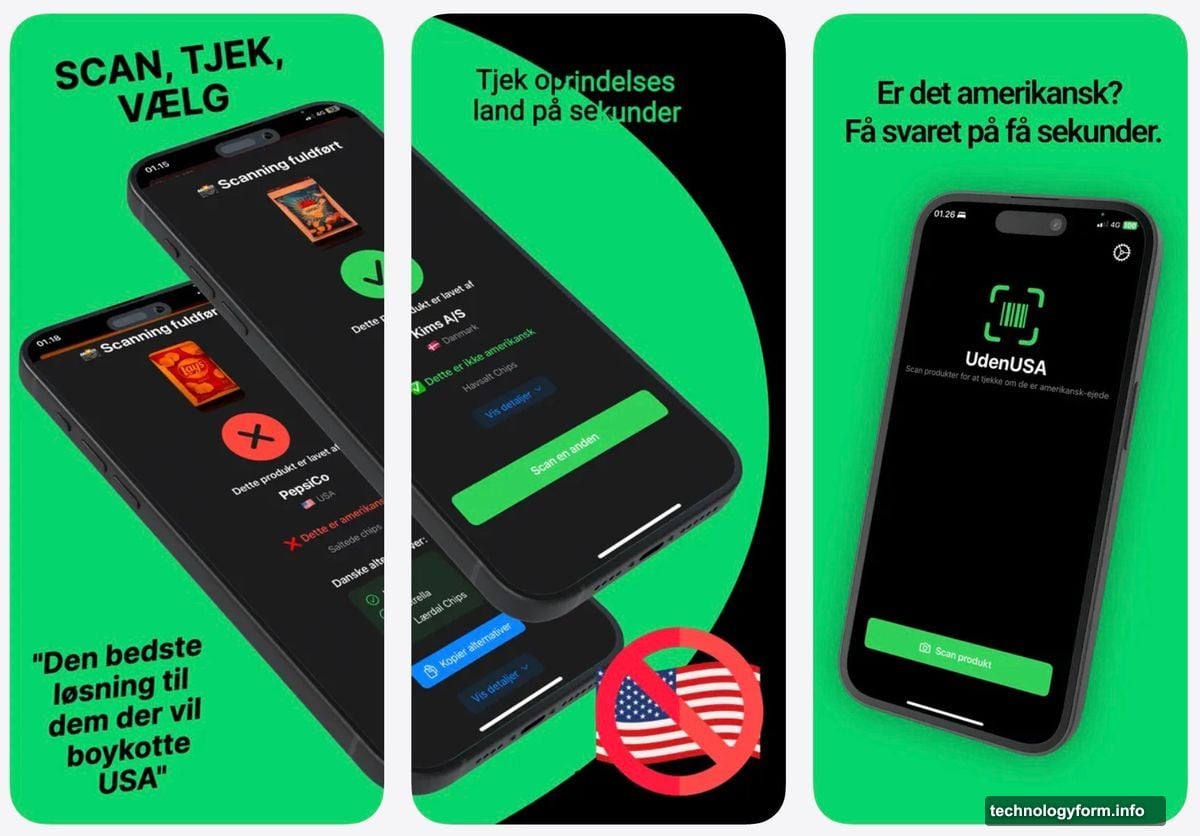
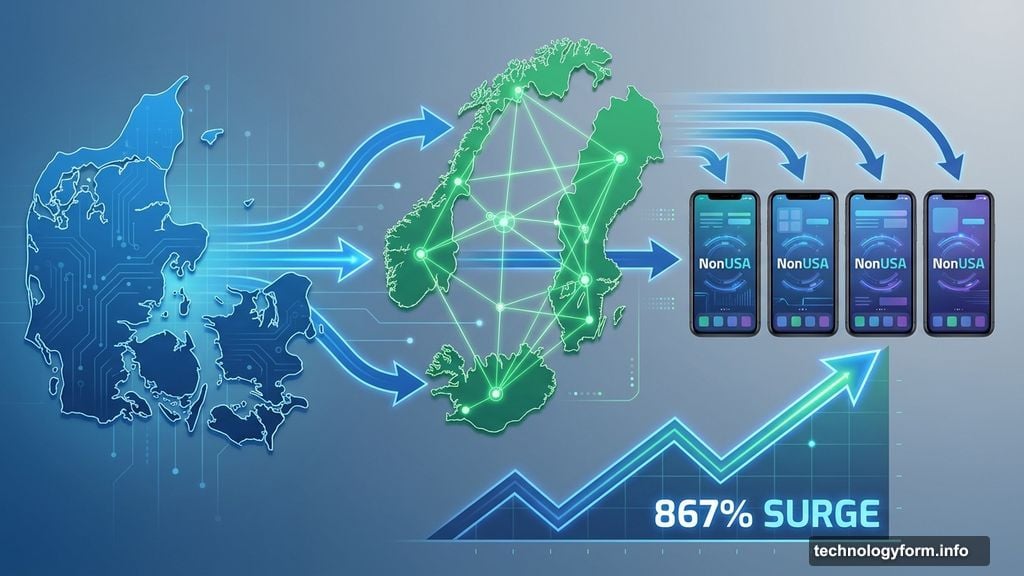
NonUSA focuses exclusively on helping users boycott American goods. Meanwhile, Made O’Meter works on both iOS and Android, giving it broader reach. Together, these apps saw downloads surge 867% in one week compared to the previous seven days.
Nordic Alliance Takes Shape
The boycott isn’t limited to Denmark. NonUSA’s top five markets now include Norway, Sweden, and Iceland. So Nordic countries are coordinating their response to U.S. political moves.
This cross-border unity amplifies the impact. When multiple countries adopt the same boycott tools, retailers and brands face pressure across entire regions. That’s far more effective than isolated national protests.
However, actual download numbers remain small by global standards. Denmark’s iOS App Store sees roughly 200,000 total daily downloads across all apps. So it might only take a few thousand downloads to hit No. 1 there.
Beyond Apps: Lifestyle Changes
Danes aren’t just scanning products. They’re reshaping their entire consumer habits. Travel app Rejsekort also entered the top 10, likely because people are canceling U.S. trips and rebooking elsewhere.
Netflix and other American streaming services face subscription cancellations. Plus, Danish consumers are actively seeking European alternatives for entertainment, shopping, and services.
But some U.S. apps still rank high. ChatGPT, Shop, and Microsoft Authenticator remain in Denmark’s top charts. So the boycott targets physical goods and entertainment more than productivity tools.
The Political Trigger
Trump’s renewed interest in acquiring Greenland sparked this backlash. Greenland is a Danish territory with significant strategic value. When Trump floated the idea of taking control, Danish citizens responded with organized consumer action.
This marks a shift in how Europeans respond to U.S. political moves. Instead of waiting for government sanctions or diplomatic responses, ordinary consumers took immediate action. They built tools, spread information, and coordinated boycotts through social media.
Market intelligence firm Appfigures tracked the surge, revealing how quickly digital tools can mobilize consumer movements. What started as scattered social media posts became a coordinated campaign within days.
Reality Check on Impact
Will this actually hurt American brands? That depends on scale and duration. Denmark’s population is only 5.9 million. Even if every Danish consumer participated, the economic impact on major U.S. corporations would be limited.
However, the symbolic message matters. If the boycott spreads to larger European markets like Germany, France, or the UK, American companies could feel real pressure. Already, neighboring Nordic countries are joining the movement.
Moreover, consumer sentiment shifts fast but can stick around. Once people find local alternatives they like, they might not return to American products even after political tensions ease.
What Comes Next
Watch for these apps to expand beyond Nordic markets. If political tensions continue, expect similar tools to launch in other European countries. The technology is simple, the demand exists, and the infrastructure is already built.
American brands operating in Europe should pay attention. Consumer boycotts used to require massive coordination and sustained effort. Now, a smartphone app can organize millions of people overnight. That changes the risk calculation for companies caught in political crossfire.
Denmark just showed how digital tools transform political protest into immediate consumer action. The U.S. might dismiss a small Nordic boycott. But if the movement spreads, American companies will face harder choices about operating in markets where their government’s actions trigger backlash.