OpenAI’s Secret Music Project Could Kill Spotify’s AI Dreams
OpenAI just confirmed what music industry insiders feared. They’re building a tool that generates original music from text prompts.
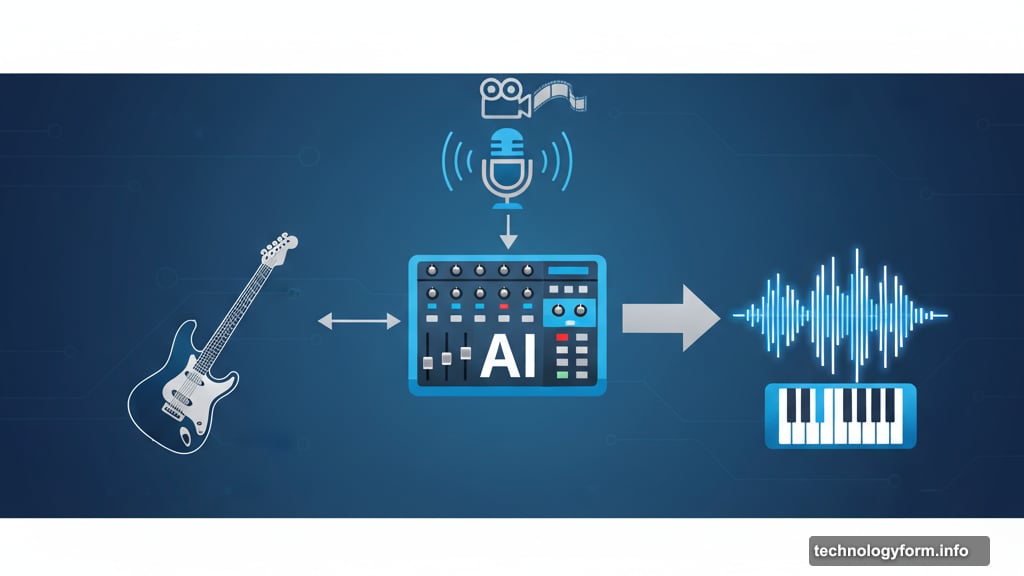
This isn’t just another AI experiment. Sources told The Information that OpenAI’s new model can add guitar tracks to vocals or drop custom soundtracks onto existing videos. Plus, they’re recruiting students from Juilliard to annotate musical scores for training data.
That detail matters. Working with elite music students signals serious ambition beyond simple beat generation.
What This Tool Actually Does
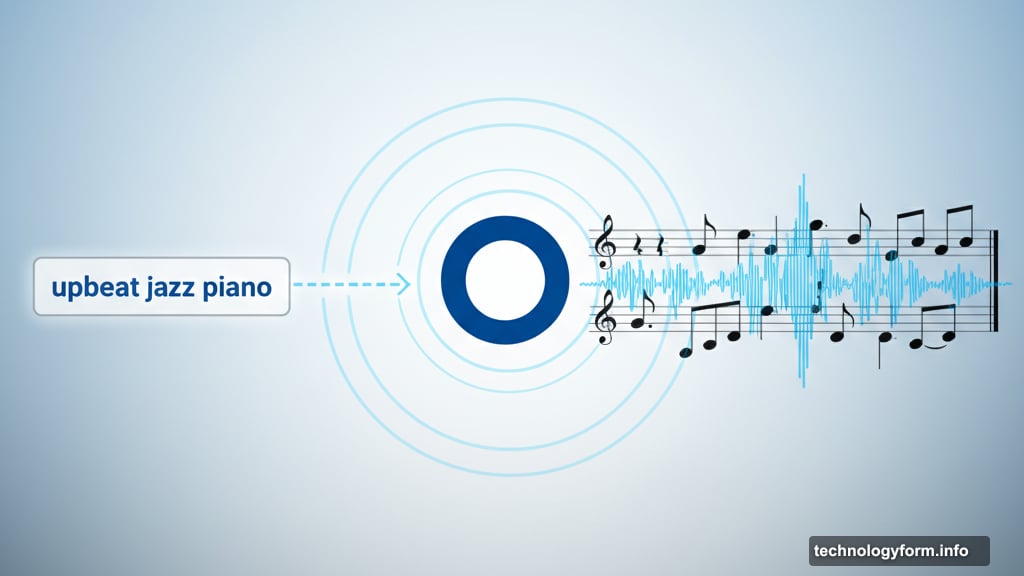
The leaked details paint a clear picture. Users type descriptions like “upbeat jazz piano” or “melancholic guitar solo.” Then the AI generates matching audio.
But it goes further. The system accepts audio inputs too. Feed it a vocal track. It adds instrumental accompaniment that matches the key, tempo, and mood.
Video creators get another option. Upload footage. Describe the vibe you want. The AI composes a custom soundtrack that fits the visual rhythm.
These capabilities directly threaten existing music creation workflows. Why hire session musicians when AI generates professional-quality tracks in seconds?
The Juilliard Connection Changes Everything
Here’s why the Juilliard partnership is significant. Most AI music tools sound decent but lack musical sophistication. They miss subtle dynamics. They repeat patterns. They feel mechanical.
Training data makes the difference. Random internet music creates mediocre results. But having trained musicians annotate scores teaches the AI about structure, emotion, and compositional techniques that separate amateur tracks from professional work.
So OpenAI isn’t just scraping YouTube. They’re building a model that understands music theory at the level taught at America’s most prestigious conservatory.
That’s a massive competitive advantage over Google, Suno, and other generative music platforms.
Nobody Knows the Launch Timeline
OpenAI stays characteristically silent about release plans. Will this launch as a standalone product? Or integrate into ChatGPT and Sora?
The strategic choice matters enormously. A standalone music tool competes directly with dedicated platforms. But integration with ChatGPT turns music generation into just another capability of the world’s most popular AI assistant.
My guess? They’ll do both eventually. Start with ChatGPT integration to gather user feedback and training data. Then spin off a dedicated product once the model proves itself.
Moreover, OpenAI hasn’t touched consumer music generation since before ChatGPT launched. They focused on speech synthesis and transcription instead. This return to music signals either renewed confidence or competitive pressure from Google and Suno.
The Music Industry Won’t Like This
Generative AI music creates thorny legal questions. Who owns the copyright? The user who prompted it? OpenAI? Nobody?
Plus, training data remains controversial. Did OpenAI license the music used for training? Or scrape it without permission like they allegedly did with text?
Musicians already filed lawsuits over AI voice cloning. Now they face AI that generates entire compositions. The legal battles will intensify quickly.
Meanwhile, working musicians face real threats. Session work dries up. Stock music libraries lose value. Small-budget productions replace human composers with AI.
Yet some opportunities emerge too. Musicians who master AI tools gain new creative possibilities. The technology could democratize music production for creators who can’t afford studio time or instrumentalists.
This Feels Inevitable Now
Every major tech company races toward generative music. Google has MusicLM. Suno launched earlier this year. Meta probably has something cooking in research labs.
So OpenAI’s entry surprises nobody. But their execution could matter more than their timing.
They have advantages rivals can’t match. ChatGPT’s massive user base provides instant distribution. Partnerships with elite institutions like Juilliard offer superior training data. Plus, their track record with DALL-E and Sora proves they know how to build consumer-grade generative tools.
The music industry should prepare for disruption. Because when OpenAI finally launches this tool, adoption will happen faster than anyone expects.