AI Is Making Phishing Scams More Dangerous. Here’s What the Numbers Show
Phishing scams are getting worse. And artificial intelligence is making them dramatically harder to spot.
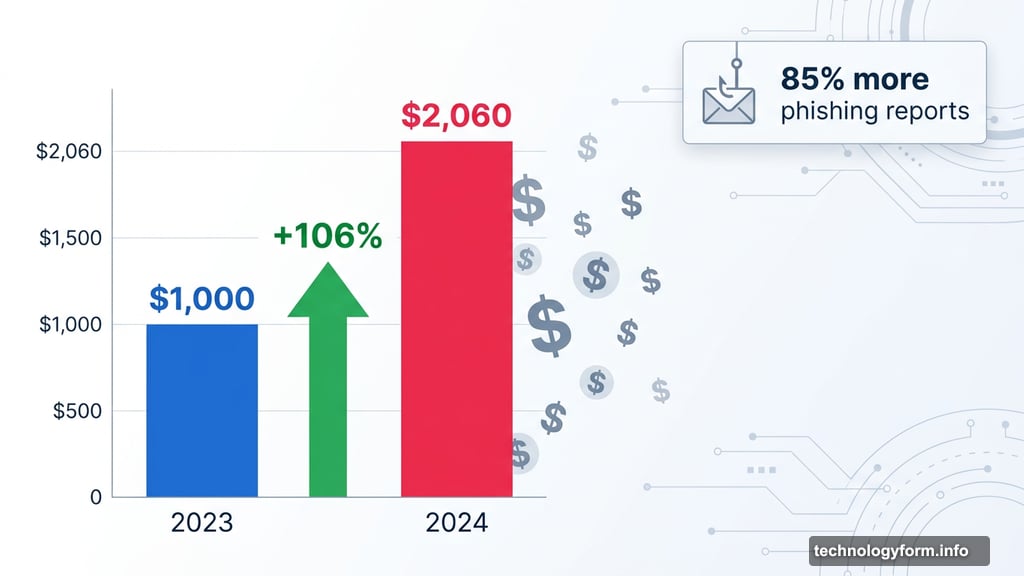
A new report from the National Consumers League (NCL) found that web-based phishing and spoofing reports jumped by over 85% year over year. That’s not a small uptick. That’s a fundamental shift in how scammers operate, and it affects basically everyone with an internet connection.
Phishing and Spoofing Reports Jumped 85% in One Year
The financial damage is staggering. The average loss from phishing and spoofing scams more than doubled, climbing from $1,000 to $2,060 per victim.
Zoom out to the national picture and things look even grimmer. The US Federal Trade Commission reported that Americans lost over $12 billion to consumer fraud and scams in 2024 alone. That’s a 25% year-over-year increase. And according to researchers, those losses are only expected to grow.
Why? Because generative AI has handed scammers a powerful new toolkit.
AI-Powered Deepfakes and Voice Cloning Fuel the Surge
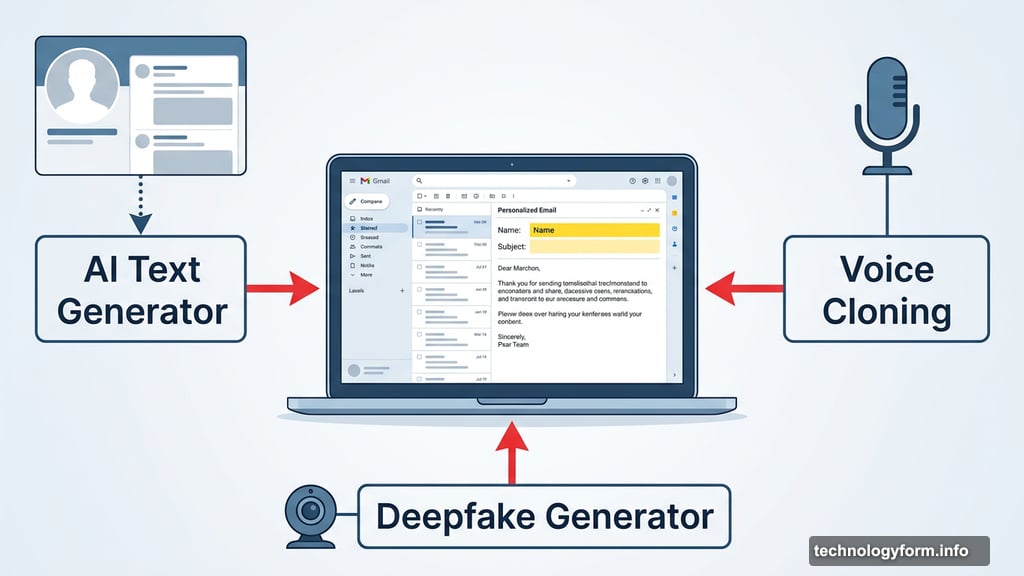
This isn’t your grandparent’s “Nigerian prince” email anymore. Today’s scammers use AI tools to clone voices, generate convincing deepfakes, and craft hyper-personalized messages that feel disturbingly real.
They can localize content for your region, match your writing style if they’ve seen your social media, and drop your name into messages with perfect context. So the red flags we used to rely on, like bad grammar or obvious generic phrasing, are disappearing fast.
John Breyault, NCL Vice President of Public Policy, Telecommunications and Fraud, put it plainly. “Given widespread evidence that scammers are increasingly using artificial intelligence tools to craft better pitches, the rise in phishing complaints is particularly concerning,” he said in a statement.
The NCL also found that 48% of the 1,376 complaints they analyzed involved online scam attempts. That marks a clear shift away from phone calls as the primary attack method. Web-based fraud is now front and center.
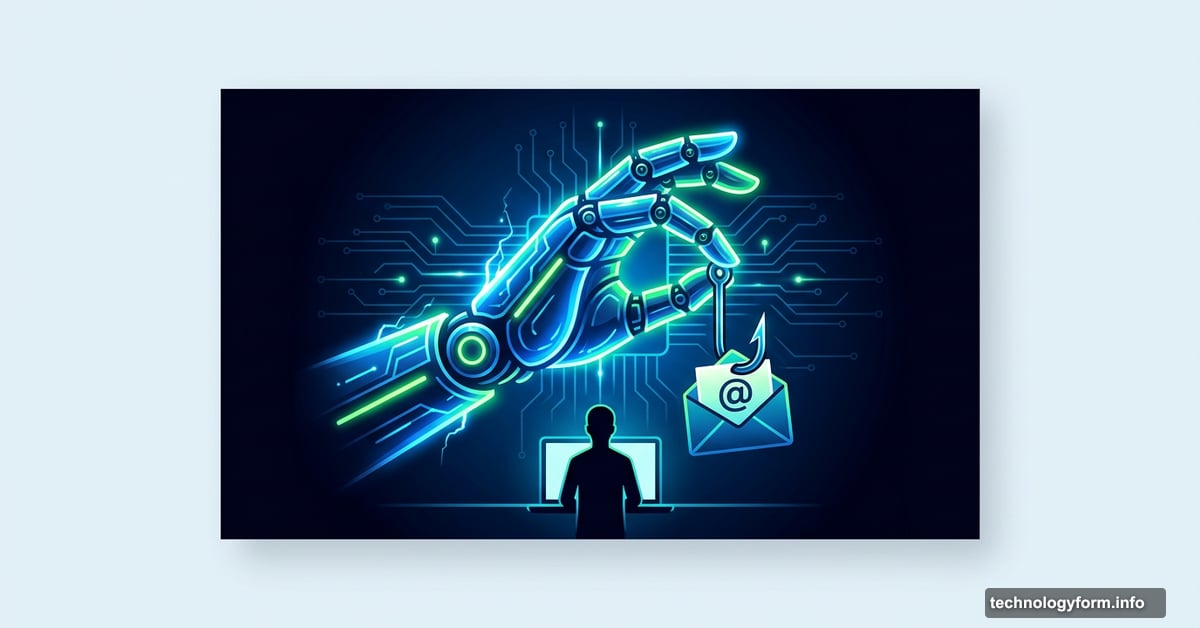
![A person staring at a laptop screen with a suspicious email open, surrounded by digital warning icons representing phishing threats and AI scam indicators]
Younger Adults Are More Vulnerable Than You Think
There’s a common assumption that younger, digitally savvy people are somehow immune to online scams. The data says otherwise.
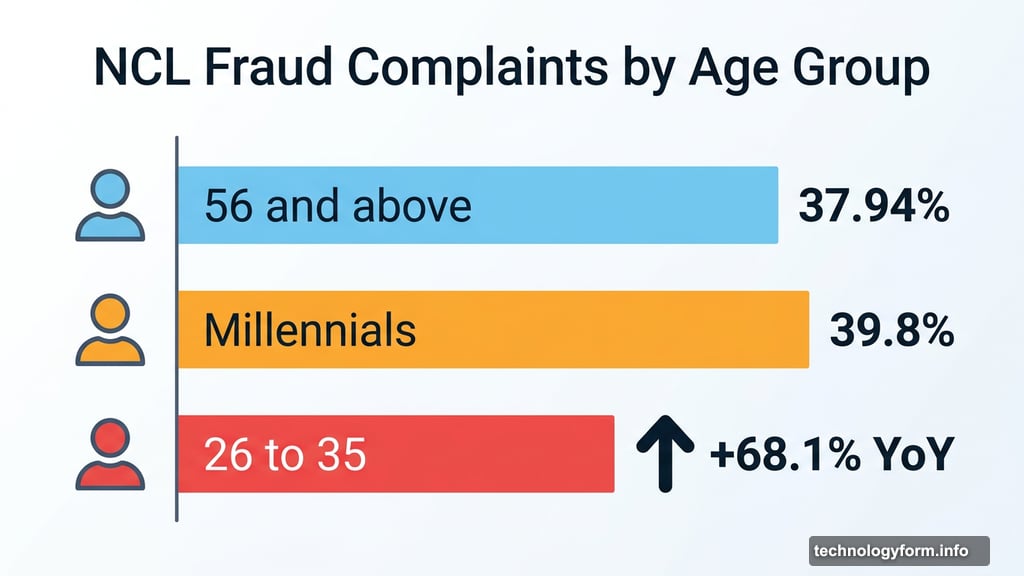
Yes, adults aged 56 and above account for 37.94% of complaints. But millennials aren’t far behind. They made up 39.8% of total fraud complaints in the NCL report. Even more striking, complaints from adults aged 26 to 35 increased by 68.1% year over year.
That’s a massive jump. And it makes sense when you think about it. Younger people are more active online, which means more exposure. Plus, overconfidence in digital literacy can actually make someone less cautious, not more.
So nobody gets to assume they’re safe here.
Practical Ways to Protect Yourself From AI Scams
The NCL and the Consumer Federation of America (CFA), a nonprofit dedicated to protecting American consumers, both offer clear guidance on staying protected. The advice is straightforward but genuinely useful.
Watch out for anything that seems too good to be true. Fake check scams, fake prize and sweepstakes offers, internet merchandise fraud, and investment scams are among the most common tactics scammers use right now. If something feels off, trust that instinct.
Be especially wary of urgency. Phrases like “act now” or “your account will be locked” are classic pressure tactics designed to make you skip your critical thinking. Legitimate organizations rarely demand instant action through unsolicited messages.
Here’s one of the most practical tips the CFA offers: independently verify everything. If you receive an unexpected call, text, or email, don’t click links or trust the caller ID. Instead, look up the company’s official phone number yourself and contact them directly. A few extra minutes can save you thousands.
And if you believe you’ve been targeted, report it. The Federal Trade Commission’s website lets you file a complaint quickly, and that data helps authorities track emerging scam patterns.
![Infographic showing AI-powered scam tactics including voice cloning, deepfake video, and personalized phishing emails with simple tips to verify suspicious communications]
The Threat Is Real, But So Are Your Defenses
Scams powered by AI voice cloning, deepfake technology, and personalized phishing emails aren’t some future problem. They’re happening right now, at scale, and the people behind them are getting better at their craft every month.
But staying informed is genuinely protective. Knowing what tactics exist, slowing down before you click anything, and verifying unexpected contacts before responding are habits that work. They’re not complicated, and they don’t require any special technology.
The scammers are getting smarter. The best counter to that is simply being aware, because once you know what to look for, even the most convincing AI-generated pitch starts to show its seams.