
Meta Drops the PG-13 Label From Instagram Teen Accounts After MPA Pushback
Instagram’s parental controls just got a quiet but meaningful name change. And the story behind it is more interesting than you might expect.
Meta has agreed to stop leaning on the familiar PG-13 movie rating to describe its Teen Accounts on Instagram. Starting April 15, the company will “substantially reduce” how it uses that language after reaching an agreement with the Motion Picture Association. It’s a small shift in wording, but it reveals something bigger about how tech companies talk to parents about keeping kids safe online.
The PG-13 Label That Sparked a Legal Fight
When Meta rolled out its revamped Teen Accounts earlier this year, it leaned on a clever comparison. Seeing suggestive content or hearing certain language on an Instagram teen account, the company said, was roughly similar to the risk you’d expect from a PG-13 movie. It was a familiar shorthand. Parents already understood what PG-13 meant. So why not borrow it?
The MPA had a very clear answer: because it’s not accurate.
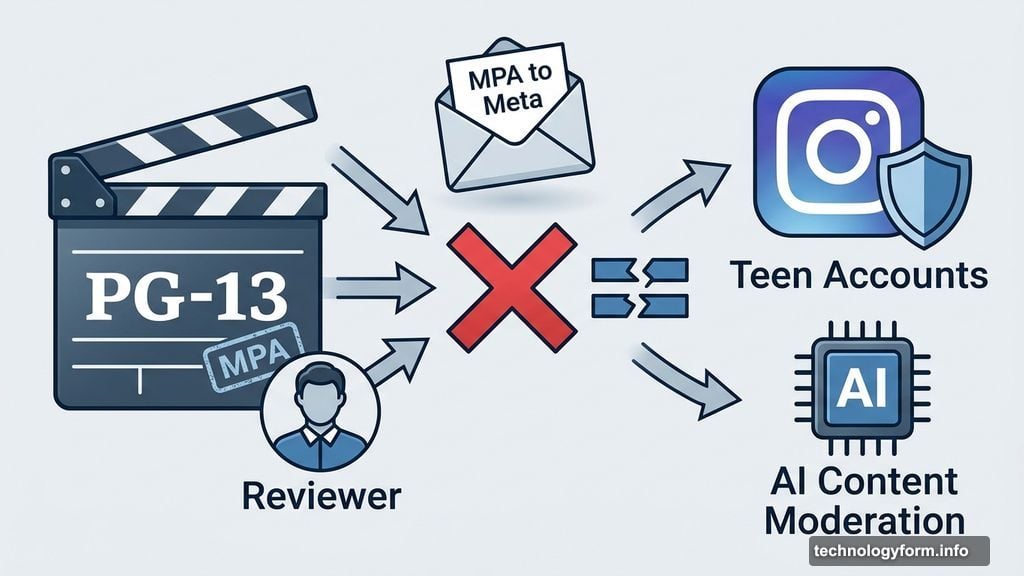
In a cease-and-desist letter reported by The Wall Street Journal, the MPA called Meta’s framing “literally false and highly misleading.” The association argued that its established film ratings system and Meta’s AI-driven content moderation for minors operate on entirely different principles. Lumping them together, the MPA said, could confuse parents and damage public trust in a system that has served families for nearly 60 years.
That’s a fair point. A PG-13 movie goes through a defined review process by actual humans. Instagram Teen Accounts rely heavily on AI to filter what younger users see. Those are very different things.
What Meta Actually Changed
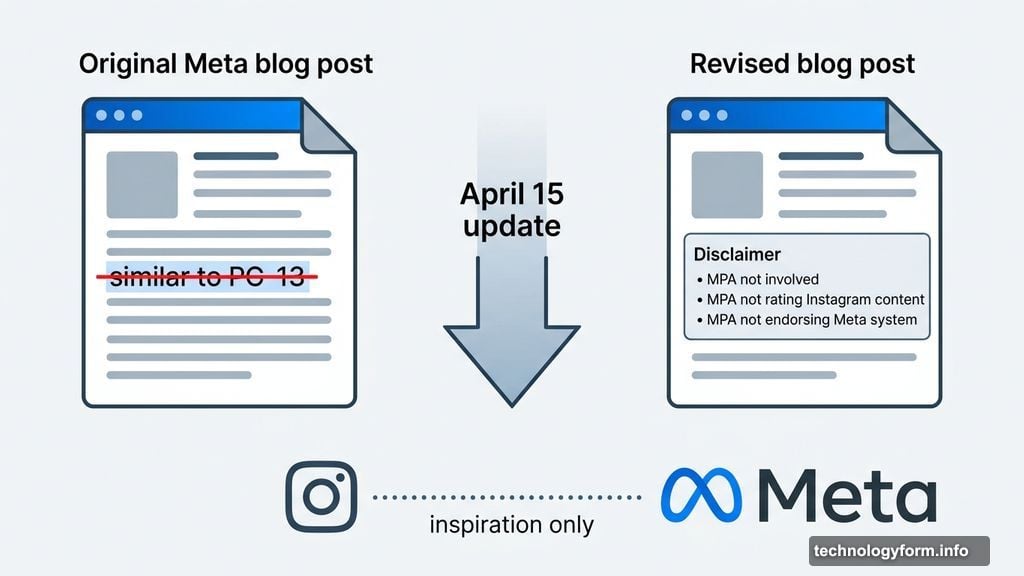
Meta didn’t scrap its Teen Accounts or overhaul how content moderation works. Instead, the company updated its original blog post announcing the changes. It now includes a lengthy disclaimer making clear that the MPA had no involvement in creating Instagram’s content settings, is not rating any content on Instagram, and is not endorsing Meta’s system in any way.
Meta says it still drew “inspiration” from MPA guidance because parents already recognize and trust that framework. But going forward, the company won’t draw that connection so directly in its communications.
It’s a bit like a food brand saying their product tastes “just like grandma’s cooking” after grandma’s lawyers get involved. The recipe hasn’t changed. They’re just being more careful about the comparison.
Why This Matters Beyond the Legal Drama
MPA Chairman and CEO Charles Rivkin put it plainly in a statement: “Today’s agreement clearly distinguishes the MPA’s film ratings from Instagram’s Teen Account content moderation tools. This agreement helps ensure that parents do not conflate the two systems, which operate in very different contexts.”
That word “conflate” is the key one here. Parents making decisions about their kids’ safety online deserve accurate information. If a parent believes Instagram Teen Accounts offer the same kind of vetted, human-reviewed content filtering that the MPA applies to films, they might not look closely enough at what their child is actually seeing.
AI-driven moderation can be effective. But it is not the same as a decades-old ratings board with defined community standards. And parents should know the difference.
What This Means for Parents Right Now
If your child uses Instagram Teen Accounts, the core content restrictions haven’t changed because of this agreement. Those settings still exist and still do what they were designed to do. The only real change is that Meta will be more careful about how it describes those protections.
So if you set up Teen Accounts based partly on the PG-13 comparison, it might be worth revisiting exactly what those settings cover. Meta’s updated blog post now includes more nuanced language about how the system actually works. Reading through it gives a clearer picture than the original shorthand ever did.
Ultimately, no AI system and no content rating can replace an ongoing conversation with your kids about what they encounter online. But at least the descriptions parents rely on should be honest about what they’re actually getting.