Microsoft Is Under the Microscope Again. This Time It’s Serious.
The UK’s Competition and Markets Authority just put Microsoft on notice. And this investigation carries real teeth.
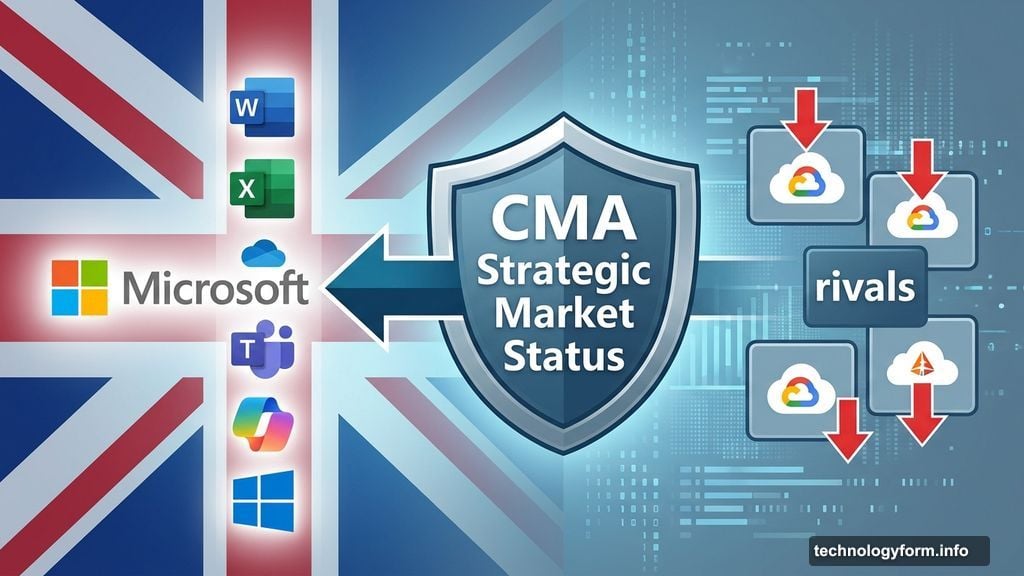
The CMA is launching a formal probe to decide whether Microsoft deserves “strategic market status” — a designation that would give regulators the power to actively intervene in how the company operates. The investigation kicks off in May, and the stakes couldn’t be higher for one of the world’s most powerful tech companies.
What Strategic Market Status Actually Means
Think of SMS as a regulatory red flag. It’s not just a slap on the wrist.
If the CMA assigns this status to Microsoft, it gains specific legal tools to force changes in how the company competes. So instead of just studying the problem, regulators could actually mandate new rules around Microsoft’s behavior. That’s a significant escalation from previous investigations.
The CMA already has “a major concern” with how Microsoft operates. Specifically, the regulator is looking at whether products like Word, Excel, Teams, Copilot, and even Windows itself are being used to crowd out competitors in the cloud market.
Cloud Competition Is at the Heart of This
Microsoft’s grip on enterprise software has long been a concern for regulators. Here’s why it matters so much in the cloud space.
When a company already uses Microsoft 365 for email, Teams for chat, and Windows across every desktop, switching cloud providers becomes painful. Other cloud platforms suddenly look less attractive because everything Microsoft sells works best together. That tight bundle of products can make competition feel almost impossible for rivals.
The CMA clearly sees this as a problem. And they’re not alone. The regulator is also following up on a separate 2025 inquiry involving both Microsoft and Amazon, focused specifically on cloud services in the UK market.
Amazon and Microsoft Already Made Concessions
Before this new SMS investigation, the CMA was already pressing both tech giants on cloud market control. That earlier inquiry produced some tangible results.
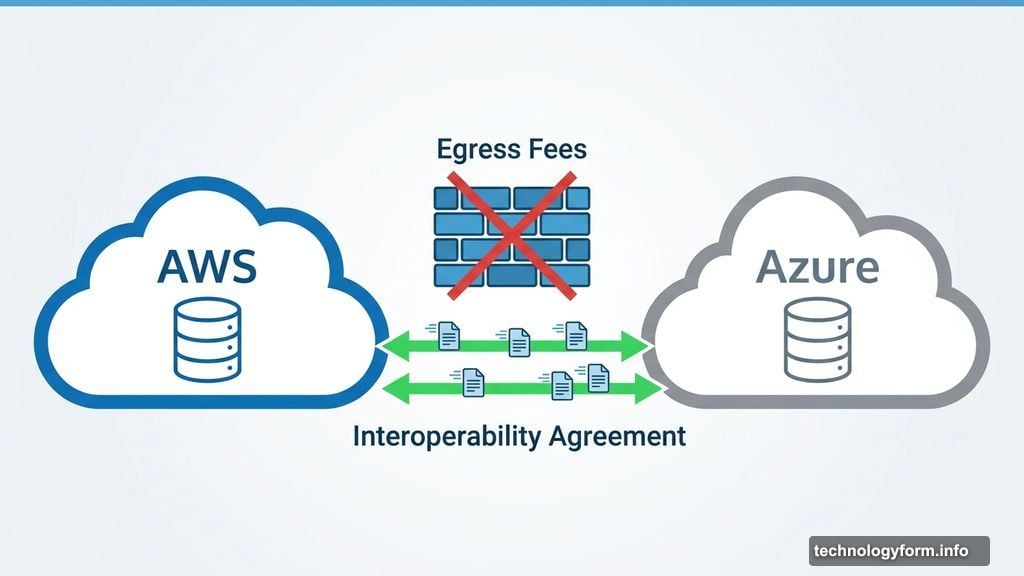
Both Amazon and Microsoft have agreed to a plan addressing egress fees and interoperability between cloud platforms. Egress fees, if you haven’t heard the term, are charges companies pay when they move data out of one cloud provider’s system. These fees have historically made it expensive and frustrating to switch providers or use multiple clouds at once.
The CMA says these agreed changes “will reduce expense and effort for UK customers when using more than one cloud provider.” So businesses juggling AWS and Azure, for example, should have an easier time moving data between them without getting hit by punishing charges.
Microsoft Has Been Here Before
This isn’t the first time the CMA has taken a close look at Microsoft. Not even close.
Back in 2023, the regulator launched an investigation into Microsoft’s relationship with OpenAI, raising questions about how that partnership might affect AI competition. Then in 2024, the CMA examined Microsoft’s decision to hire key staff from Inflection AI, another move that raised eyebrows about whether big tech was quietly absorbing promising competitors before they could grow into real rivals.
So there’s a clear pattern forming. The CMA keeps finding reasons to look at Microsoft, and Microsoft keeps giving them new material to work with.
Why This Matters Beyond the UK
Regulatory decisions in the UK often ripple outward. When a major economy draws a line in the sand with a tech giant, other regulators pay close attention.
The EU has its own Digital Markets Act, which similarly targets companies with dominant market positions. The US has ongoing antitrust scrutiny across the tech sector. So if the CMA successfully assigns Microsoft strategic market status and uses that status to force meaningful changes, it could set a template others follow.
For everyday businesses that rely on Microsoft products, this is worth watching closely. Any structural changes to how Microsoft bundles and prices its cloud services could directly affect what you pay and how easily you can switch to alternatives.
The investigation begins in May. And if the CMA’s track record with Microsoft is any guide, this one is unlikely to wrap up quietly.