Google’s Image AI Just Made Misinformation Way Too Easy
I tested Google’s newest AI image tool for weeks. The results blew me away. Then they started to terrify me.
Nano Banana Pro (technically called Gemini 3 Pro Image) creates photos so realistic you can’t tell they’re fake. It writes crystal-clear text in images—an industry first. Plus, it understands complex prompts better than any competitor I’ve tested.
But here’s the problem. That same power makes it dangerously easy to spread false information wrapped in professional-looking graphics.
Text in AI Images Actually Works Now
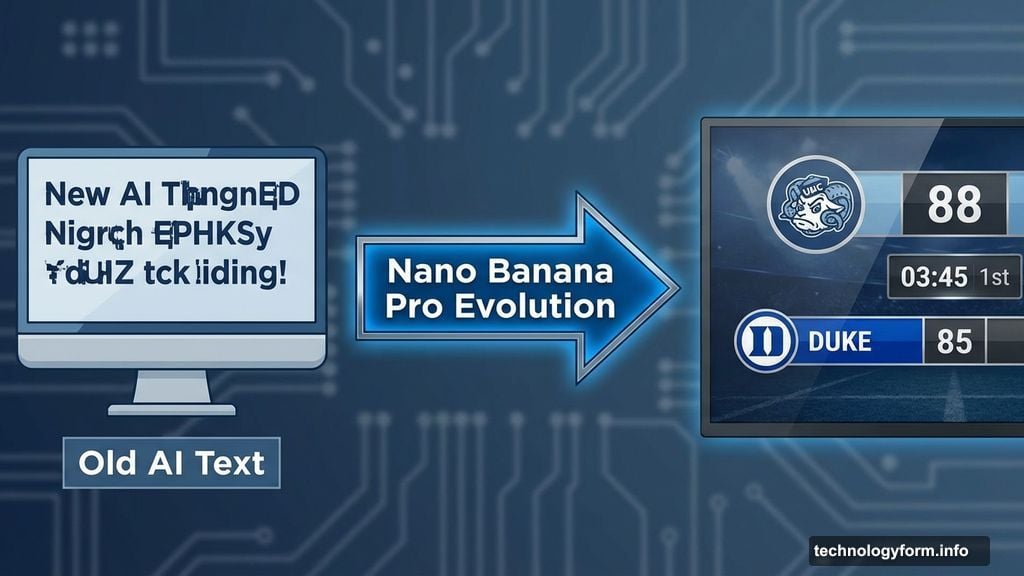
For years, AI struggled with text. You could spot fake images immediately because words looked mangled or gibberish. Not anymore.
Nano Banana Pro writes legible sentences, paragraphs, and entire infographics. I asked it to create a college football scoreboard showing UNC beating Duke. It generated an ESPN-style graphic with accurate logos, perfect colors, and completely readable text. Even added realistic screen reflections.
The detail stunned me. Most AI images still have that plastic, computer-generated look. These don’t.
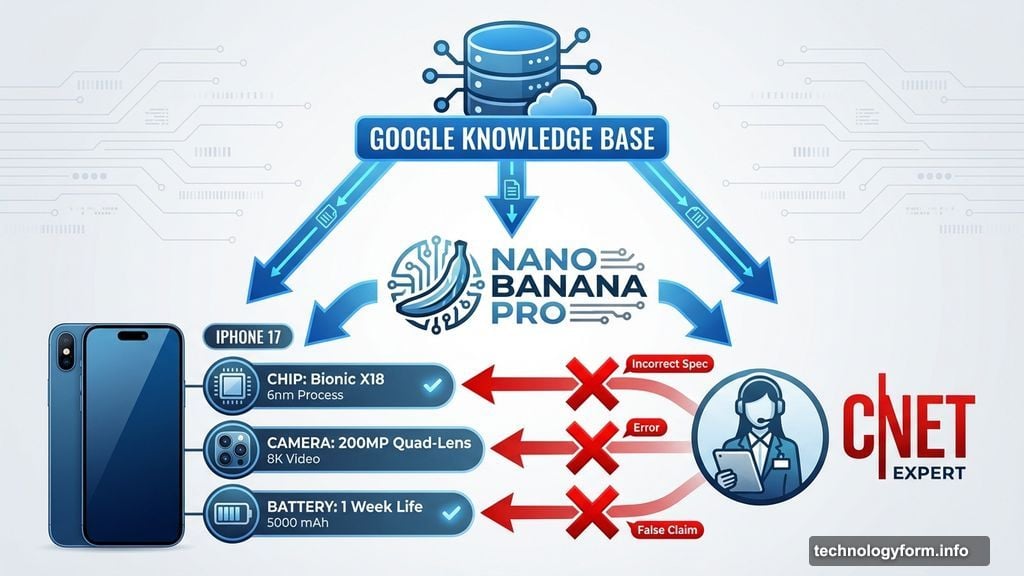
However, perfect text creates perfect lies. I generated iPhone 17 infographics that looked professional and polished. CNET’s mobile experts immediately spotted multiple errors—wrong specs, incorrect features, even phones that don’t exist rendered as fact.
So Nano Banana Pro makes beautiful, convincing graphics. Just don’t trust the information inside them.
Photo Editing Crosses Into Unsettling Territory
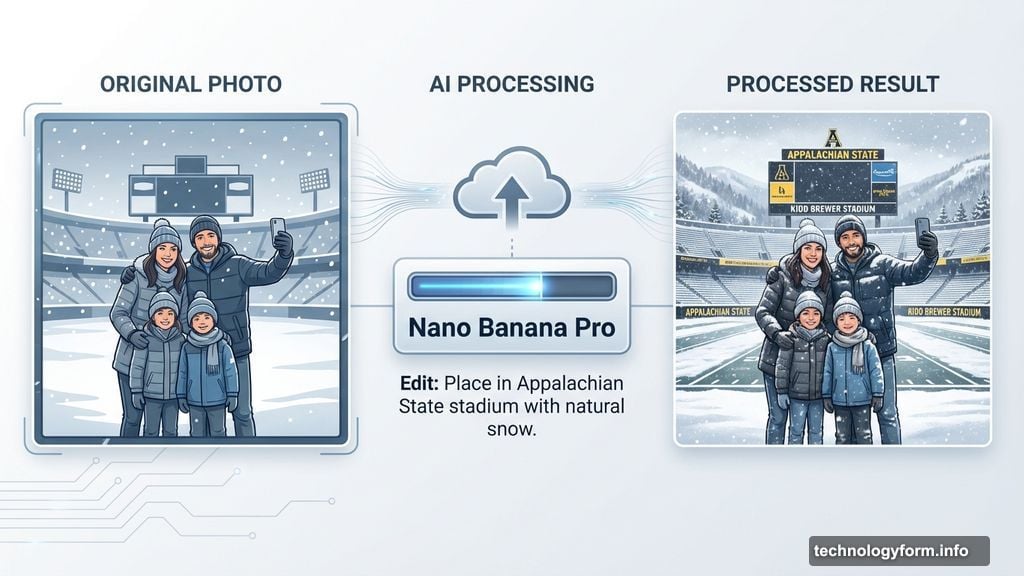
I uploaded a family photo from a snowy football game. Asked Nano Banana Pro to place us inside Appalachian State’s stadium instead.
The result? Flawless. The stadium matched perfectly. Signs looked authentic. Snow appeared natural. I showed it to family on Thanksgiving. Nobody questioned whether it was real.
That’s when this technology stopped feeling impressive and started feeling dangerous.
Compare that to earlier AI models. I gave the same prompt to Google’s original Nano Banana model. The difference was obvious—blurry details, weird lighting, unnatural elements. The pro version eliminated those tells.
I also tested reflection removal, a notoriously difficult edit. The pro model actually removed reflections (unlike the original), but it still distorted facial features slightly. Progress, but not perfect yet.
For quick background swaps and lighting changes, Nano Banana Pro excels. But if you need precise control, traditional editing software like Photoshop still wins. Google clearly isn’t a creative software company—they built a powerful AI without the tools pros need.
When Realism Meets Hallucination
Nano Banana Pro pulls from Google’s massive knowledge base. That’s usually good. It knew The Killers’ “Mr. Brightside” lyrics and created images based on them. It understood novel tropes when I asked about Rebecca Yarros’ “Fourth Wing.”
But that knowledge isn’t always accurate. Think of it like a chatbot that can draw—impressive, but prone to making stuff up.
I asked for iPhone 17 specs using only CNET’s comparison page as reference. The AI still generated graphics mixing features from different models, creating phones that don’t exist, and presenting old mockups as current designs.
The scary part? If you don’t already know the topic, you won’t catch these errors. The graphics look professional enough to fool casual viewers scrolling social media. Plus, Google removes its sparkle watermark from some images, making them even harder to identify as AI-generated.
Yes, Google embeds an invisible SynthID watermark. But their detection technology remains too limited to matter much.
Original Nano Banana vs Pro: When to Use Each
The original Nano Banana model generates images in 30 seconds or less. The pro version takes 50 to 120 seconds because it uses Google’s reasoning model.
For quick creative images, the original works fine. For detailed edits, accurate text, or complex prompts requiring world knowledge, upgrade to pro.
Both versions are free in Gemini. Pay $20 monthly for higher usage limits and access to Google’s AI Studio or Flow, where you can control aspect ratios and other settings. The free version locks you into 16:9 landscape format.
The Misinformation Machine Nobody Asked For
Nano Banana Pro represents a milestone in AI image generation. It’s the best tool CNET has tested for creating realistic, detailed images with legible text.
That’s exactly what worries me.
Bad actors now have easy access to a tool that creates convincing fake images in under two minutes. Those images will flood social media. Most people won’t scrutinize posts carefully while scrolling. Even fewer will spot AI tells that no longer exist.
Google has prohibited use policies aimed at preventing illegal content. But guardrails fail. We’ve seen it happen repeatedly with other AI tools.
Meanwhile, Nano Banana Pro gets better at creating realistic images while still making chatbot-style factual errors. That combination—visual perfection plus information hallucination—creates the perfect conditions for widespread misinformation.
This is the future of generative AI. Beautiful, powerful, and potentially treacherous if we’re not extremely careful about how we use it and what we believe.