ChatGPT Images 2 Lands While Sora Fades Away
OpenAI just made a clear statement about where it thinks AI is headed. And surprisingly, it’s not viral videos or surrealist art.
Instead, the company dropped ChatGPT Images 2, a new image model built specifically for professional, text-heavy content. This isn’t about making weird dreamscapes or Studio Ghibli memes. OpenAI is chasing something far more practical — and far more profitable.
Sora Is Gone. Professional Image Generation Is In.
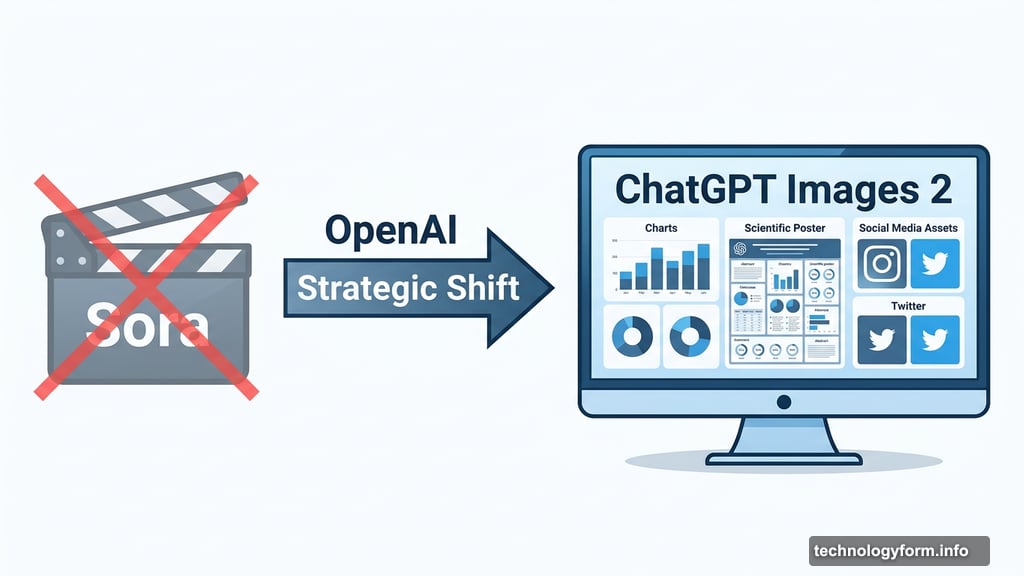
It’s worth pausing on the timing here. Just a month ago, OpenAI shut down Sora, its once-hyped AI video app. The company said it wanted to focus on enterprise-ready “core products.” Some people read that as a retreat.
But ChatGPT Images 2 tells a different story. OpenAI isn’t stepping back from generative media. It’s just getting a lot more selective about what kind of generative media it builds.
The new model targets infographics, scientific posters, study guides, social media assets, and marketing materials. These are things real professionals need every day. Plus, they represent what OpenAI is now calling “economically valuable creative tasks” — a phrase that says a lot about the company’s current priorities.
Typography and Text Rendering Finally Work
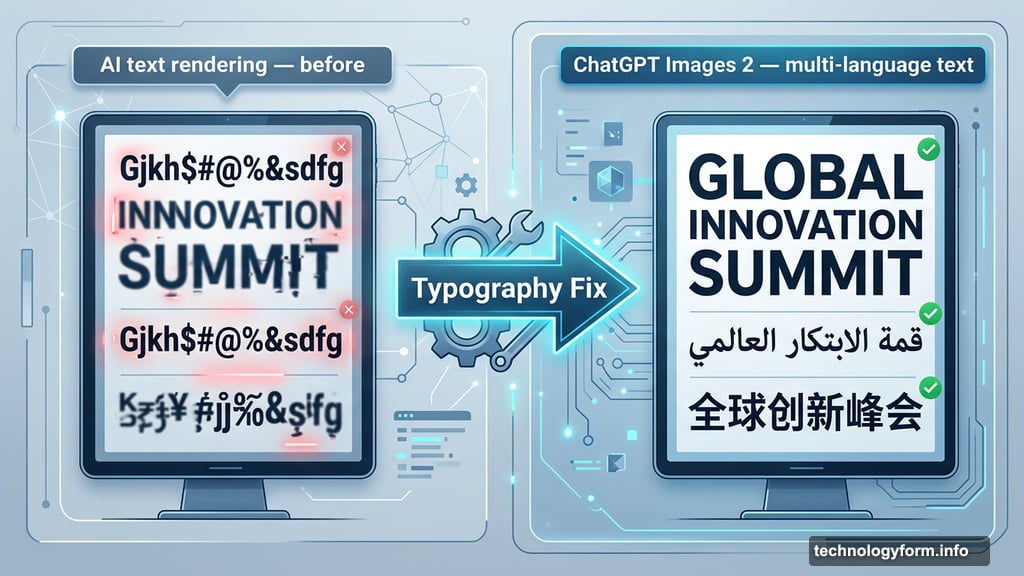
Here’s something that has frustrated AI image users for years. Most models are terrible at rendering legible text. Ask them to add a headline to a poster, and you’ll often get a jumble of nonsense characters that vaguely resemble letters.
ChatGPT Images 2 takes direct aim at that problem. OpenAI built the model to handle typography, iconography, and composition at a noticeably higher level than its predecessors. It supports text generation in multiple languages. And early examples show text that actually reads correctly — a bigger deal than it sounds.
Google’s Imagen 3 Nano Banana Pro model improved text rendering too, but even that struggled with accuracy in testing. So nailing readable, factually correct text in AI-generated images remains genuinely hard. OpenAI is claiming this model does it better than anything it’s released before.
The Super App Vision Gets Its Creative Layer
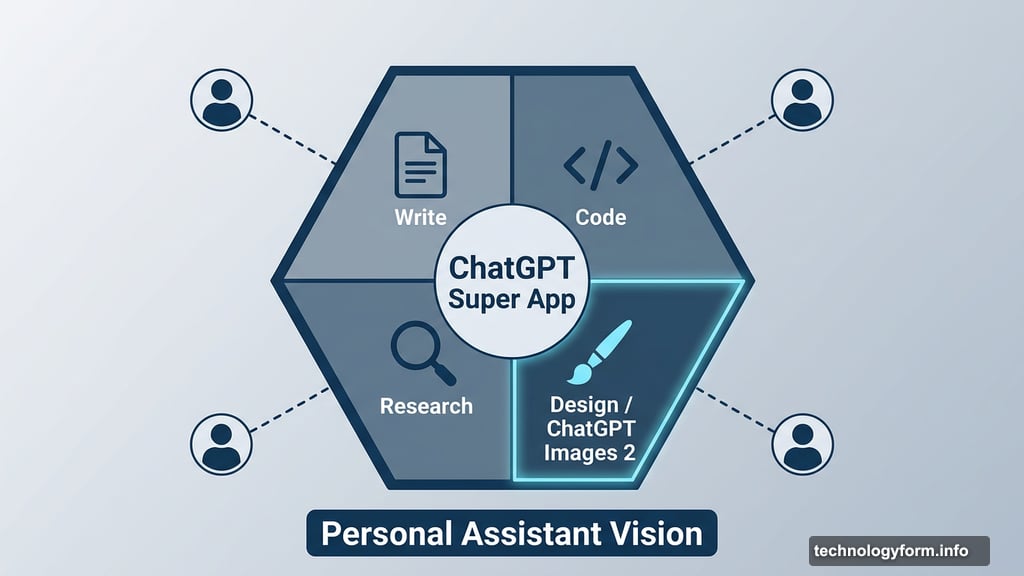
OpenAI has been building toward a “super app” concept for a while now — a single platform where you can handle almost any task without switching tools. Think of it like having a personal assistant who can write, code, research, and now design, all in one place.
ChatGPT Images 2 fills a specific gap in that vision. As Adele Li, product lead for ChatGPT Images, put it during a press briefing: “The aperture and use cases for visual intelligence just expand so broadly, and we believe that this is so critical to ChatGPT’s vision for developing your own personal assistant, because your creative assistant is a huge part of who you are as an individual.”
That’s a direct acknowledgment that image generation isn’t a side feature anymore. It’s a core piece of how OpenAI wants ChatGPT to function as a daily tool.
Who This Is Actually For
ChatGPT Images 2 isn’t trying to compete with Midjourney on artistic expression. It’s also not going after Adobe Firefly’s deep editing suite. Instead, it occupies a middle ground that’s arguably the most underserved space in AI image tools right now.
Think working professionals who need to create attractive, coherent content quickly. Teachers building illustrated lesson plans. Marketing managers designing social media posts. Small teams producing multi-page reports with visual consistency throughout.
On that last point, the model lets you generate up to eight images from a single prompt while maintaining consistent styling across all of them. So a three-page report or a multi-slide presentation looks like it came from the same designer, not a patchwork of separate generations. Anthropic’s recently released Claude Design is targeting a similar audience, which signals this professional-creator segment is becoming genuinely competitive.
Resolution, Reasoning, and a Few Limitations
Developers accessing ChatGPT Images 2 through the API can generate images at 2K and 4K resolution. Both higher resolution options are still in beta, so expect some rough edges. For most users, generation limits depend on their subscription tier — pay more, get more images.
Paying subscribers also unlock access to thinking and reasoning models alongside image generation. That combination lets the system search the web for relevant information, pull it into a readable design format, and cross-check the results for accuracy. For research-heavy visuals like scientific posters or data-driven infographics, that’s a genuinely useful capability.
One friction point worth knowing upfront: editing still requires regeneration. You can’t make surgical tweaks to a specific element without prompting the whole image again. With text-heavy designs, that regeneration happens more often since precision matters more. So if you’re on a limited credits plan, complex projects will burn through them faster than simple image requests.
On the safety side, OpenAI hasn’t made major changes from its previous model. C2PA metadata is still embedded in generated images, which helps identify AI-generated content. Policies against abusive and illegal imagery remain in place — an important baseline given ongoing concerns about AI-generated deepfakes and nonconsensual intimate imagery.
What This Actually Signals
OpenAI shutting down Sora while launching ChatGPT Images 2 within the same month isn’t a contradiction. It’s a strategy clarification.
The company tried viral. It got memes and slop. Now it’s building tools that justify a monthly subscription for the people who actually pay for them. Teachers, marketers, researchers, designers who need a fast first draft — these are the users OpenAI is designing for now.
Whether ChatGPT Images 2 becomes a genuine daily tool for professionals depends on how well it handles real-world workloads over the next few months. But the direction is clear. OpenAI isn’t building the most artistic AI image generator. It’s building the most useful one.
That’s a smarter bet than it might first appear.