ChatGPT Just Got Smarter by Learning to Forget
ChatGPT’s memory feature finally works the way your brain does. It remembers what matters. It forgets what doesn’t.
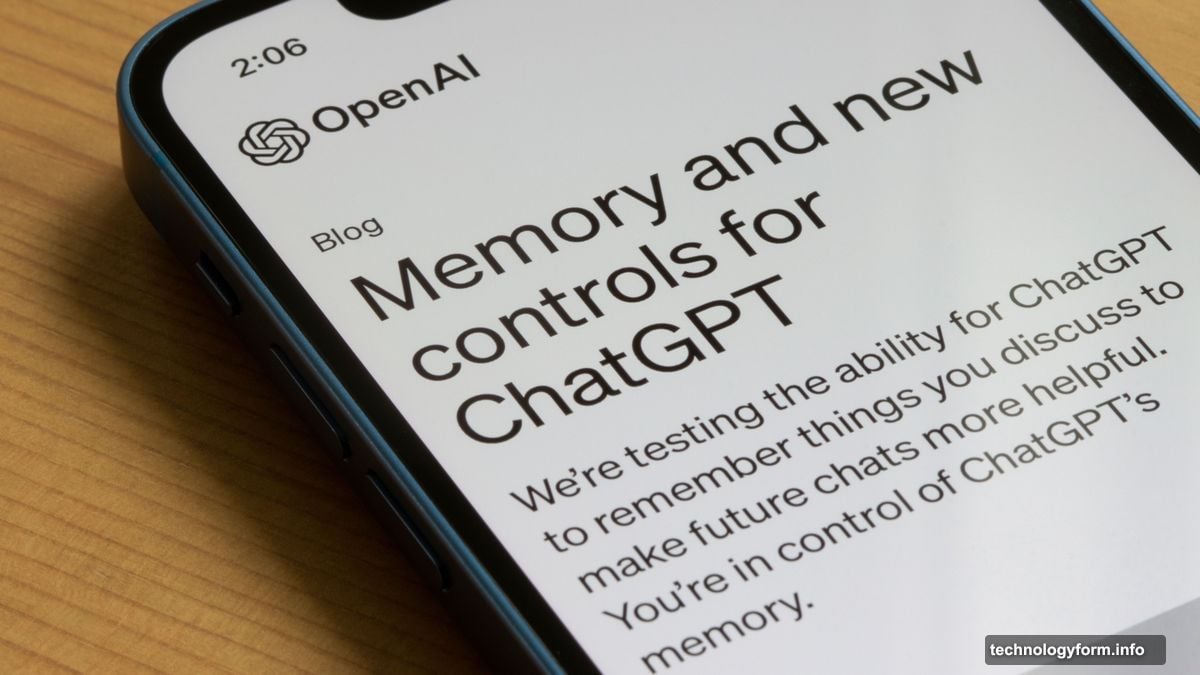
OpenAI just rolled out automatic memory prioritization. That means ChatGPT now decides which details to keep front and center based on what you actually talk about. No more tedious manual pruning. No more “memory full” warnings interrupting your workflow.
This sounds simple. But it changes everything about how the chatbot works long-term.
Your AI Now Thinks Like You Do
ChatGPT’s original memory system had a fatal flaw. It treated every saved fact equally, like a filing cabinet stuffed with papers you might need someday.
Users could manually add memories. The AI could flag details it thought were important. But managing all that information became exhausting fast. Power users loved the control. Everyone else just wanted their chatbot to remember their coffee order without homework.
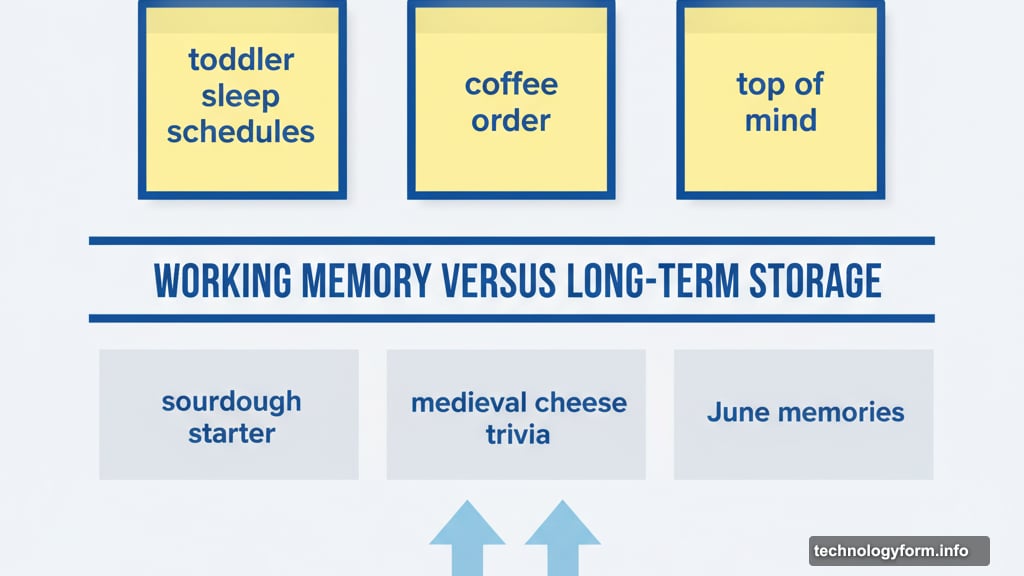
Now ChatGPT weighs memories by recency and frequency. If you spent last week asking about toddler sleep schedules, that rises to the surface. If you haven’t mentioned your sourdough starter since June, it quietly moves down the list.
The AI isn’t deleting anything. It’s just learning what deserves attention right now. That’s exactly how human memory works when functioning properly.
What Changed Under the Hood
The new system rolls out to ChatGPT Plus and Pro users globally starting today. Here’s what actually works differently.
ChatGPT now maintains a “top of mind” layer. Think of it as your brain’s working memory versus long-term storage. Everything stays saved. But only relevant details get prioritized in active conversations.
You can still control everything manually. Search through your memories. Sort by recency. Bump up important details or downgrade that brief obsession with medieval cheese trivia. You can even roll memories back to previous versions or wipe them entirely.
But here’s the real win. You don’t have to manage any of this unless you want to. The system handles prioritization automatically while keeping full transparency about what’s stored.
Why This Matters More Than It Seems
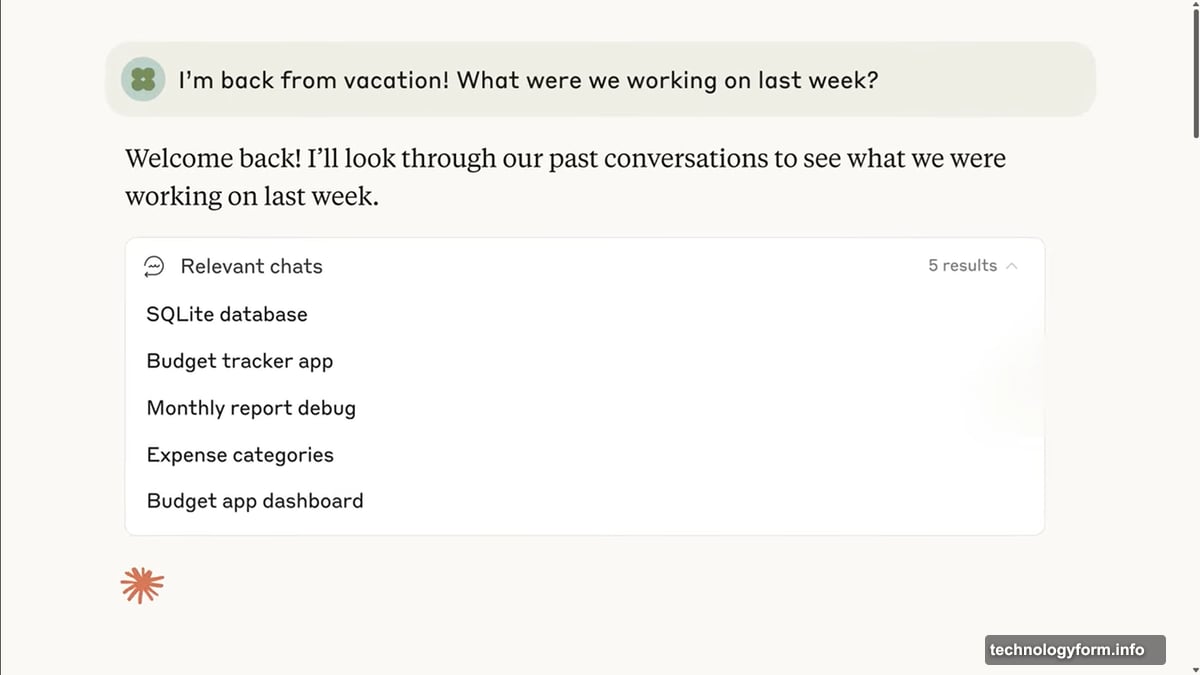
Memory transforms ChatGPT from a smart search engine into something closer to an actual assistant. Without memory, AI tools hit a usefulness ceiling pretty quickly. They can answer questions. They can brainstorm. But they can’t build on previous context or adapt to your specific needs over time.
The old system gave ChatGPT memory. But it required constant maintenance that most users simply wouldn’t do. So the feature remained underutilized despite its potential.
Automatic prioritization removes that friction. ChatGPT now treats your preferences less like a static database and more like a shared document you’re both editing. That’s a fundamental shift in how the relationship works.
Plus, this addresses a practical problem that was getting worse. As users accumulated memories over months of conversations, the system became cluttered. Important details got buried under outdated information. The “memory full” message forced awkward decisions about what to delete.
Now the AI handles that triage automatically. It learns what you care about based on what you actually discuss. That’s not just convenient. It’s how memory should work in the first place.
The Social Update Hiding in Technical Clothing
OpenAI framed this as a technical improvement. Better memory management. More efficient storage. Automatic prioritization algorithms.
But look closer. This is actually a social update about how you interact with AI.
The original memory system assumed users wanted full manual control. That works great for people who organize their desktop files by color and keep their inbox at zero. For everyone else, it created unnecessary work.
Automatic memory management shifts the relationship. You’re not maintaining a database anymore. You’re having conversations with a tool that learns what matters to you organically. That feels fundamentally different even if the underlying technology isn’t radically new.
Of course, manually checking your memories occasionally remains smart. ChatGPT can mess up memory prioritization just like it sometimes gives wrong answers to prompts. But OpenAI found a decent balance. The system is automatic but not opaque. You can see what’s stored. You can adjust priorities. You can shut it off completely.
What Comes Next for AI Memory
This update hints at where AI assistants are headed. Memory isn’t a luxury feature anymore. It’s becoming foundational for any tool that wants to be useful long-term.
Right now, most AI chatbots reset after every conversation. They’re brilliant in the moment but have no continuity. That limits how deeply they can help with ongoing projects or complex problems.
ChatGPT’s memory upgrade suggests a future where AI assistants actually know you. They remember your work style. They adapt to your preferences without constant reminders. They build on previous conversations instead of starting fresh every time.
That’s powerful if done right. It’s also why transparency matters so much. Users need to see exactly what’s remembered and maintain control over their data. OpenAI seems to understand this balance, at least for now.
The ability to forget strategically is just as important as the ability to remember. Your brain does this constantly. It filters what deserves attention and what can fade into background noise. Teaching ChatGPT to do the same makes it genuinely more useful.
Smart memory management isn’t flashy. Nobody’s going to make viral videos about AI learning to forget. But for people who actually use these tools daily, this upgrade matters more than most splashy new features.
ChatGPT just became better at being a long-term assistant instead of a one-off answer machine. That’s worth remembering.