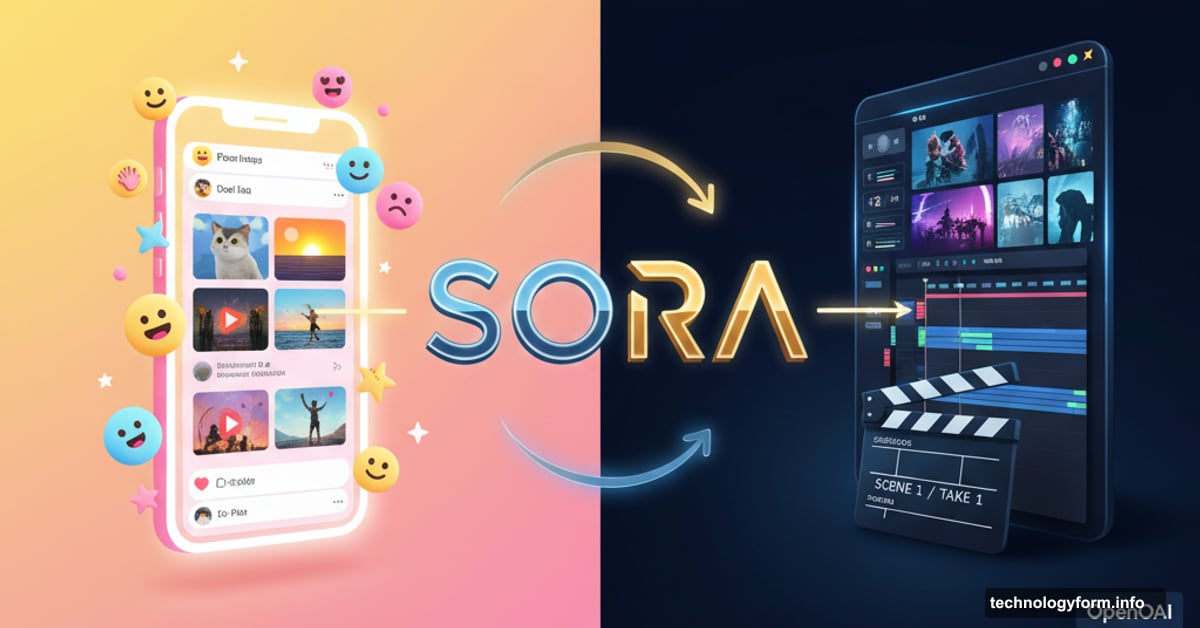
Sora Just Got Real Video Editing. OpenAI Wants Pros Now
OpenAI launched Sora three weeks ago as a playful AI video app for making quick clips with friends. Now it’s pivoting hard toward professional creators with a suite of serious editing tools.
The company just announced storyboarding, clip stitching, and expanded character cameos. Plus, Android support finally arrives soon. These aren’t features for casual meme-makers. They’re the building blocks of actual video production.
Character Cameos Work for Everything Now
Sora’s signature trick was letting you use people’s faces in AI videos. That feature just expanded dramatically.
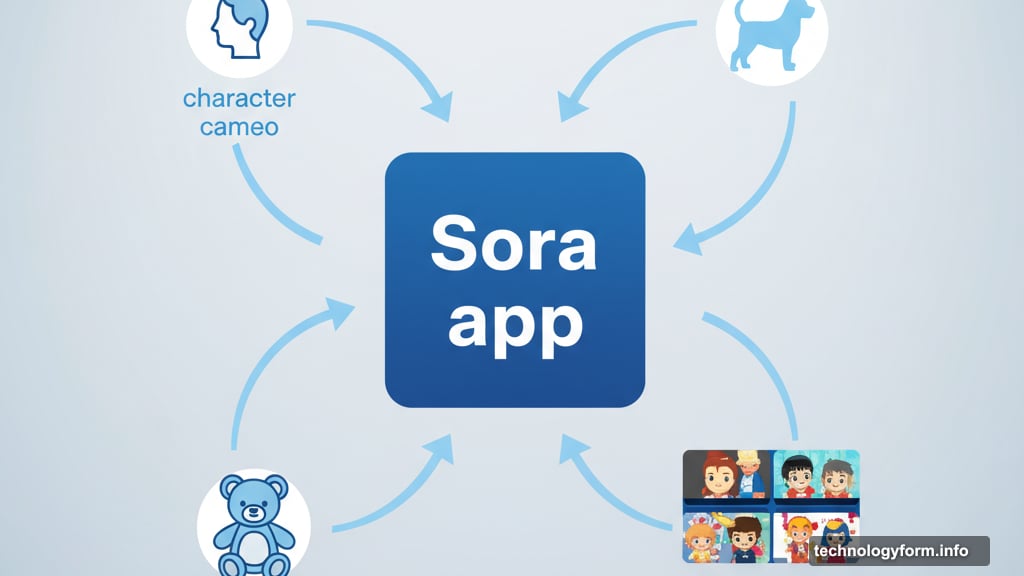
Soon you can cameo your dog, stuffed animals, or even characters from other Sora videos. Anything becomes fair game for video generation. The app will highlight trending cameos in real time, similar to TikTok’s For You page.
But here’s what matters more. This change signals OpenAI wants sustained creation, not just viral one-offs. When you can build a consistent cast of characters across multiple videos, you’re making content series instead of random clips.
Basic Editing Arrives, More Coming
Sora now lets you stitch clips together directly in the app. No need to export to another program for simple edits.
That sounds basic. Yet it marks a significant shift in how OpenAI positions the product. Most AI video apps generate single clips and call it done. Adding editing tools means OpenAI sees Sora as an end-to-end creation platform.
Bill Peebles, head of Sora, says more advanced editing features are coming. He didn’t specify what, but the trajectory is clear. OpenAI wants professionals creating polished videos entirely within Sora.
Storyboarding Shows Professional Ambitions
Pro users on the web can now storyboard videos before generating them. That’s a tool from actual filmmaking, not social media apps.
Google’s AI filmmaking program Flow includes storyboarding. Professional video software uses it. Consumer apps almost never do. So why did OpenAI add it?
Because professionals plan shots, pacing, and narrative flow before hitting record. Casual creators don’t storyboard memes. But someone making a commercial or short film absolutely needs this feature.
Plus, storyboarding only works for Pro users paying for ChatGPT Pro subscriptions. OpenAI is clearly targeting people who create video for a living, not just fun.
Longer Videos, Higher Stakes
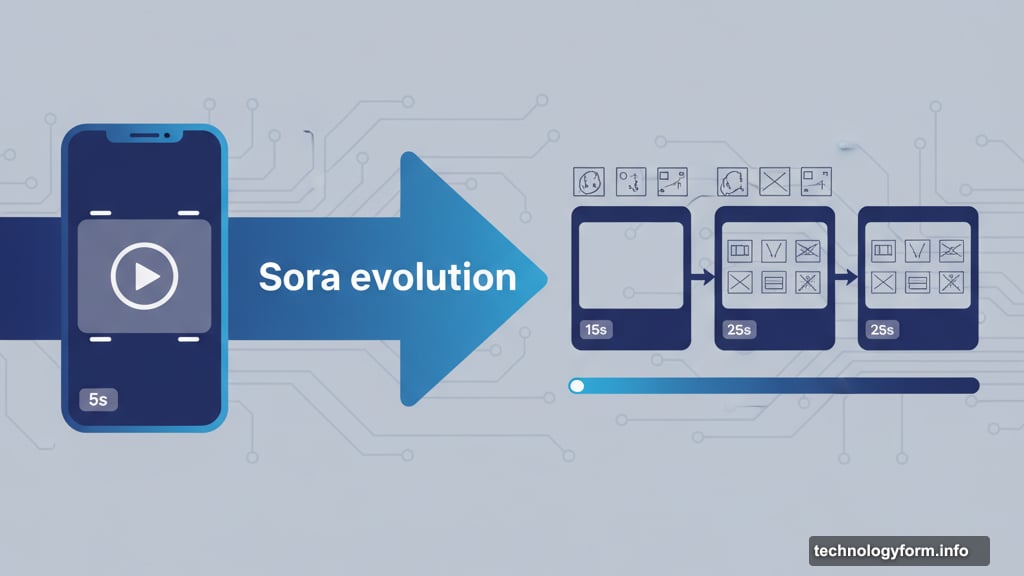
Free users now generate 15-second videos on iPhone and web. Pro users get 25 seconds on the web.
These limits increased just days after Google upgraded Veo 3 to handle longer generations. The timing wasn’t coincidental. OpenAI and Google are racing to capture the same professional creators.
Longer videos matter because they enable storytelling. A 5-second clip can’t develop characters or build tension. But 25 seconds opens real narrative possibilities, especially when combined with storyboarding and editing tools.
Communities Replace the Global Feed
OpenAI is testing channels for universities, workplaces, hobbies, and sports teams. That’s a major departure from Sora’s current global feed of random AI clips.
Why the change? The global feed became chaotic fast. Without curation or community structure, viral chaos dominated. Professional creators couldn’t build audiences or get meaningful feedback.
Communities let creators find their niche. A filmmaker working on experimental shorts can share with other filmmakers instead of competing with dog videos for attention. That structure supports sustained creative work instead of viral gambling.
Android Finally Arrives
Android users have been stuck using Sora through the web. The native app launches soon.
That’s significant because mobile creation is where most social content happens. Professionals might prefer desktop for complex projects, but they still need mobile access for quick generations or on-location work.
Plus, Android represents half the smartphone market. OpenAI was essentially ignoring half its potential user base until now.
The Copyright Problem Lingers
OpenAI has a messy history with professional creators. Before Sora launched, the company told talent agencies and gaming companies they needed to opt out if they didn’t want their intellectual property used in generations.
That’s backwards. Copyright law requires permission, not opt-outs. You can’t use Pikachu unless Nintendo says yes. OpenAI acted like companies needed to explicitly block access instead.
The company changed its policies after backlash. It added controls over how your likeness gets used. But damage was done. Many creators don’t trust OpenAI to respect their work.
These new professional features might be an olive branch. Or they might just be OpenAI trying to capture a market it previously alienated. Either way, the copyright tension remains unresolved.
What OpenAI Really Wants
These updates reveal OpenAI’s strategy. It launched Sora as a fun social app but wants it to become professional video software.
That makes sense financially. Casual users generate short clips occasionally. Professionals create constantly and pay for premium features. Pro subscriptions fund development better than free users watching ads.
But the shift creates tension. Social apps thrive on spontaneity and chaos. Professional tools require precision and control. Sora is trying to be both, and that’s a tough balance.
Right now, the app feels like a playground for weird AI experiments. Storyboarding and editing tools will attract different users with different expectations. OpenAI better figure out how both groups coexist.
The updates are impressive technically. Whether they solve Sora’s identity crisis remains to be seen.