OpenAI Loses “Cameo” Trademark Battle — Now Must Rename Sora 2 Feature
A federal court just handed Cameo a big win. And for OpenAI, it’s one more legal headache in what’s becoming a very crowded docket.
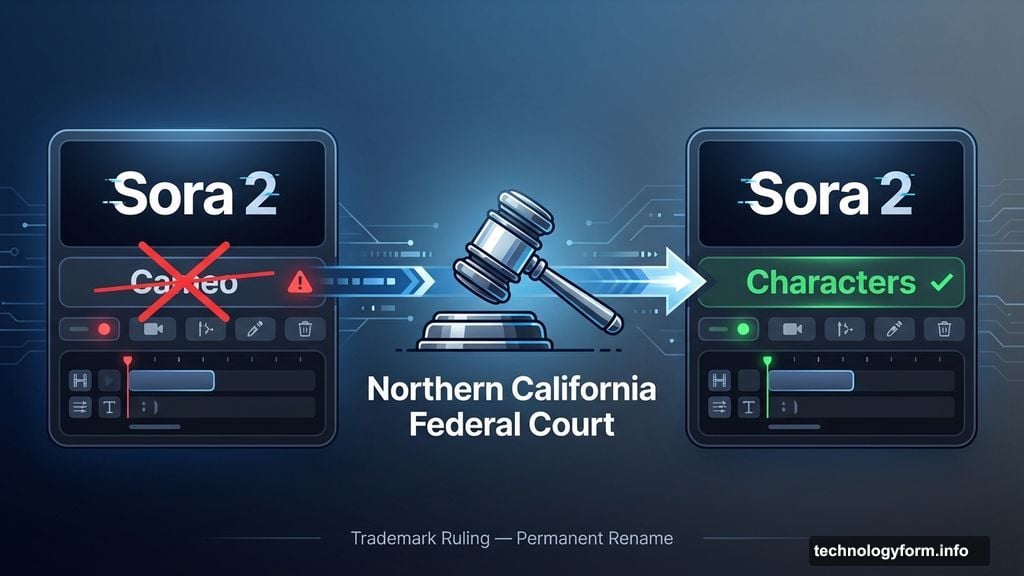
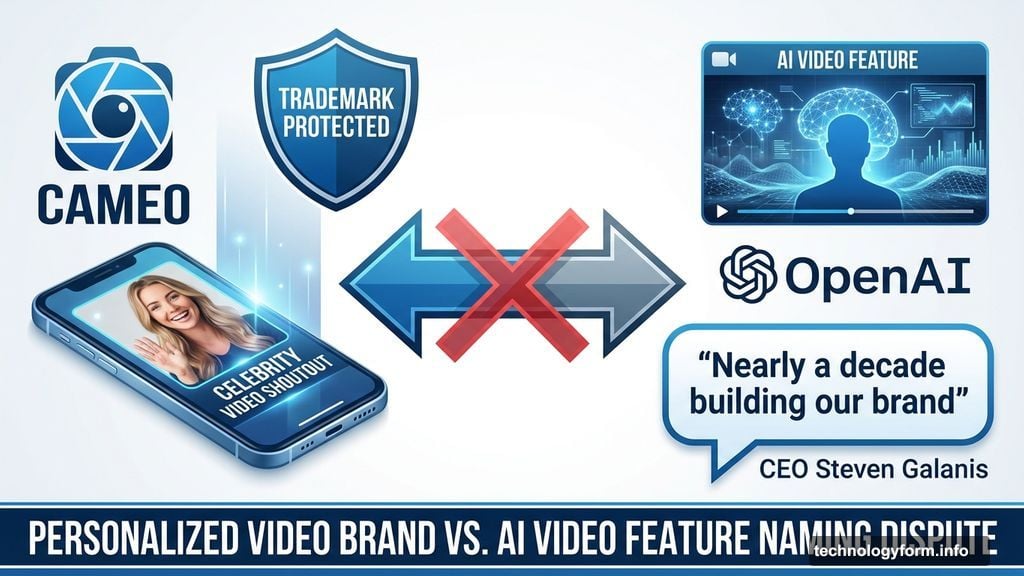
A federal district court in Northern California ruled this past Saturday that OpenAI must stop using the name “Cameo” in any of its products or features. The ruling came down in favor of Cameo, the celebrity video messaging platform where fans can pay for personalized shoutouts from their favorite stars.
How Sora 2’s “Cameo” Feature Sparked the Fight
OpenAI had been using the “Cameo” name inside Sora 2, its AI-powered video generation app. The feature let users drop digital likenesses of themselves into AI-generated video clips — think of it as putting yourself into a scene with an AI-created world around you.
Cameo the company wasn’t happy. And honestly, it’s not hard to see why. Their entire brand is built around personalized video content featuring real people. An AI video tool using the exact same name? That’s where things get messy.
The court agreed that the naming overlap was close enough to confuse users. It also rejected OpenAI’s argument that “Cameo” was just a plain descriptive word. According to the ruling, the term “suggests rather than describes the feature” — legal language that carries real weight in trademark disputes.
OpenAI Had Already Rebranded the Feature
This ruling wasn’t entirely out of the blue. Back in November, the same court granted Cameo a temporary restraining order, forcing OpenAI to stop using the name right away.
OpenAI responded by renaming the feature “Characters.” So in practice, Sora 2 users have already been living with the new name for a few months. Saturday’s ruling simply makes that change permanent — and official.
Still, OpenAI isn’t backing down on the principle. “We disagree with the complaint’s assertion that anyone can claim exclusive ownership over the word ‘cameo,'” an OpenAI spokesperson told Reuters. The company says it plans to keep fighting the broader argument.
Cameo CEO Says This Is About More Than a Name
For Cameo CEO Steven Galanis, this win clearly means a lot. And listening to what he said, it goes beyond just protecting a trademark.
“We have spent nearly a decade building a brand that stands for talent-friendly interactions and genuine connection,” Galanis said in a statement. “This ruling is a critical victory not just for our company, but for the integrity of our marketplace and the thousands of creators who trust the Cameo name.”
He added that Cameo will keep defending its intellectual property against any platform that tries to ride on the goodwill the brand has built. That’s a pretty clear signal they’re watching closely for future conflicts — not just with OpenAI.
OpenAI Is Fighting Battles on Several Fronts
This case doesn’t exist in a vacuum. OpenAI has been tangled up in intellectual property disputes across multiple fronts lately, and the Cameo ruling is just one piece of a larger picture.
Earlier this month, OpenAI quietly dropped “IO” branding around its upcoming hardware products after court documents obtained by WIRED revealed legal pressure around that name too. Meanwhile, digital library app OverDrive sued OpenAI back in November over its use of “Sora” as the name for the video generation platform itself — a separate dispute entirely from the Cameo feature case.
Plus, OpenAI continues to face copyright-related lawsuits from artists, writers, and media organizations in multiple countries. The company is simultaneously one of the most exciting players in tech and one of the most litigated.
What This Means for AI Companies Naming Things
There’s a broader lesson hiding inside this courtroom story. As AI companies build features fast and ship products constantly, naming things carefully matters more than ever.
When you’re an AI company launching a video feature, calling it “Cameo” might seem clever or descriptive in the moment. But another company has spent nearly ten years making that word mean something specific to millions of users. Courts are paying attention to that kind of accumulated brand meaning.
For startups and established players alike, trademark clearance needs to happen before a feature launches — not after a restraining order lands. OpenAI learned that the hard way here, renaming a feature already in users’ hands. That’s a disruptive fix that almost certainly complicated engineering, marketing, and user communications all at once.
OpenAI will keep making its case on the broader argument about who can “own” common words. But right now, “Characters” is the name — and Cameo gets to keep its own.