Pinterest Just Made Your Fashion Boards Smarter With AI
Pinterest wants to dress you better. The platform just rolled out AI features that turn saved fashion pins into actual outfit combinations.
No more scrolling through hundreds of saved items wondering what matches. Instead, Pinterest’s AI now assembles complete looks from clothes you already liked. Plus, it curates entire boards based on your taste without you lifting a finger.
These updates signal Pinterest’s shift from digital scrapbook to active shopping companion. But whether users want that much AI intervention remains an open question.
AI Builds Outfits From Your Saved Pins
The “Styled for you” feature creates collages from fashion pins you’ve saved. Think of it as a virtual stylist raiding your closet.
Tap any item in the collage. Pinterest shows similar pieces you’ve saved that could work together. Swipe through options. Mix and match until something clicks.
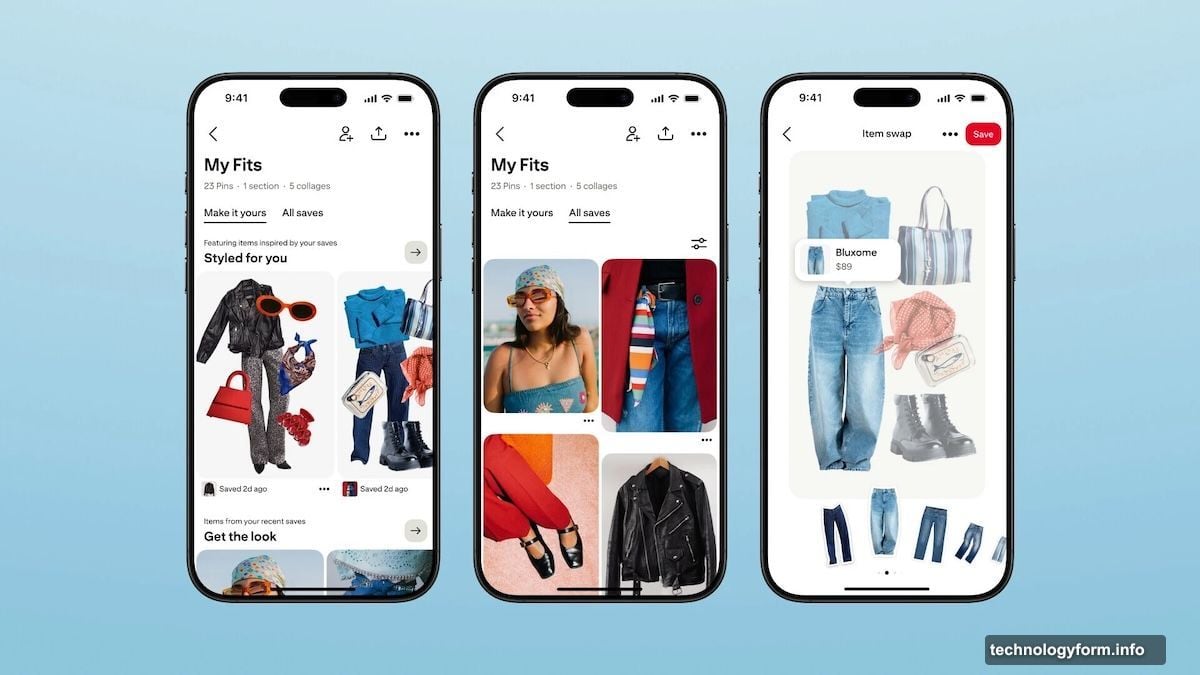
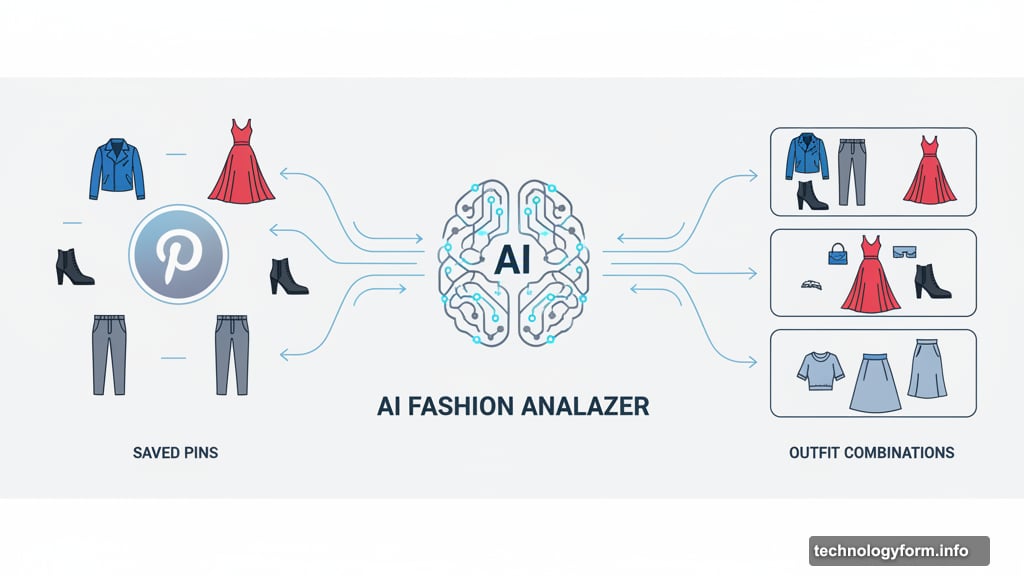
The technology analyzes your saved pins to understand your style preferences. Then it suggests combinations you might not have considered. A jacket you saved three months ago suddenly pairs with shoes from last week.
However, the feature only works if you’ve saved enough fashion content. New users or those who pin randomly won’t see much benefit. The AI needs data to work its magic.
Personalized Boards Appear Without Asking
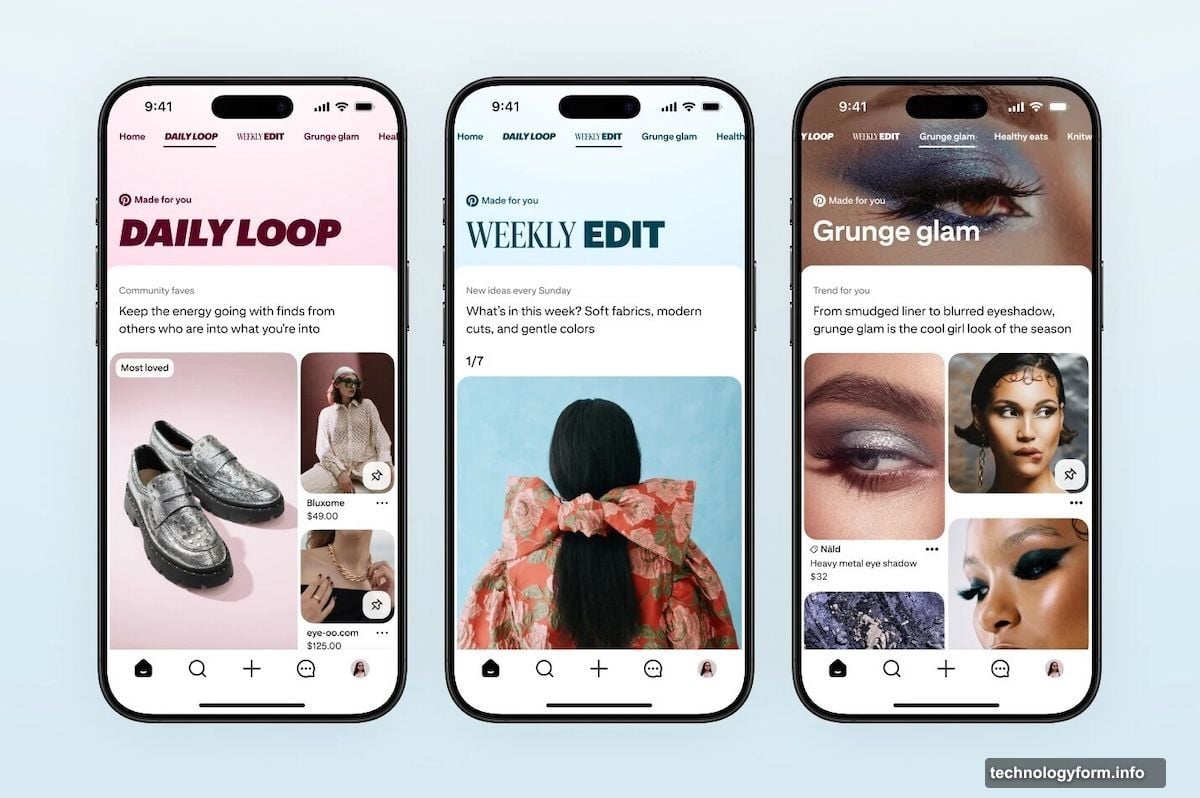
Pinterest also tests “Boards made for you” in the US and Canada. These boards show up in your home feed and inbox automatically.
The company blends editorial curation with AI recommendations. One week you might see trending streetwear looks. Next week, formal outfit inspiration. All supposedly tailored to your interests.
These boards include shoppable content. Tap an item, and Pinterest shows where to buy it. The line between inspiration and commerce keeps blurring.
But here’s the catch. You didn’t create these boards. Pinterest did. Some users love the convenience. Others feel like the platform is filling their space with content they didn’t request.
Pinterest Walks a Tricky AI Line
The company positions itself as an “AI-enabled shopping assistant,” according to CEO statements during Q2 earnings. Fair enough. AI recommendations and visual search already power much of the platform.
Yet Pinterest simultaneously fights AI-generated content. In April, it announced plans to label AI-created images. It added controls letting users reduce AI-generated pins in their feeds.
So Pinterest uses AI to curate your experience. But it doesn’t want AI-generated content cluttering the platform. That’s a delicate balance to maintain.
The distinction matters. Pinterest’s AI analyzes real fashion items and real user preferences. It doesn’t generate fake outfit images or synthetic style advice. The company bets users accept AI curation while rejecting AI creation.
New Tabs Make Boards More Useful
Beyond AI features, Pinterest adds three new tabs to boards. These roll out globally over the next few months.
“Make It Yours” recommends fashion and home decor products based on saved pins. It’s basically a shopping tab disguised as inspiration.
“More Ideas” suggests related pins across categories like beauty, recipes, and art. Standard recommendation engine stuff, nothing revolutionary.
“All Saves” simply shows everything you’ve saved to a board. Surprisingly, this basic organization feature didn’t exist before. Users had to scroll endlessly to find old saves.
These tabs should make boards more navigable. Whether they make boards more useful depends on how aggressive the recommendations get.
The Shopping Platform Pinterest Wants to Be
These updates reveal Pinterest’s strategy clearly. Transform boards from organization tools into shopping discovery engines.
Every feature pushes toward commerce. AI outfit builders lead to product pages. Curated boards contain shoppable items. Recommendation tabs surface things to buy.
Pinterest isn’t subtle about this shift. The company explicitly calls itself a shopping assistant now. Fair enough. That’s where the revenue lives.
But some users joined Pinterest specifically because it wasn’t focused on shopping. They wanted mood boards, project planning, and inspiration without constant purchase prompts. Those users might find the new AI features intrusive rather than helpful.
The features launch over the next few months. User response will determine whether Pinterest’s AI gamble pays off or backfires.
For now, your fashion boards are about to get a lot smarter. Whether that’s what you wanted is another question entirely.