GitHub Just Built Mission Control for AI Coding Agents
AI coding agents are everywhere now. OpenAI has one. Google built one. Anthropic launched theirs. So did xAI and Cognition.
Great for developers, right? Except managing five different AI assistants feels like herding cats. Each agent runs independently. Each has its own interface. Each works differently.
So GitHub stepped in with a solution that actually makes sense.
One Dashboard to Rule Them All
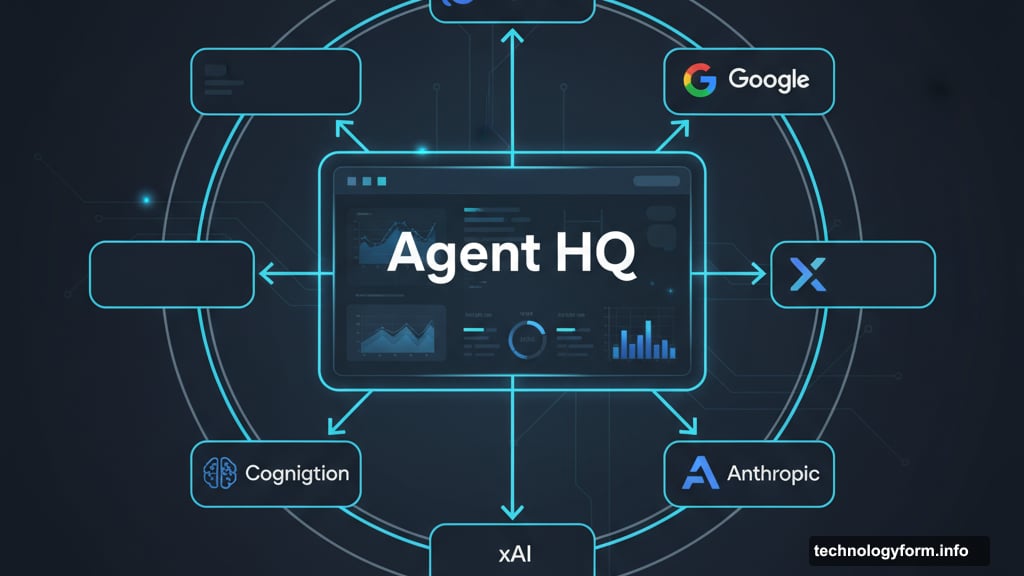
Microsoft’s GitHub announced Agent HQ on Tuesday. Think of it as mission control for your coding agents.
Instead of jumping between five browser tabs to check what your agents are doing, you see everything in one place. Plus, you can actually steer them when they go off track. Because let’s be honest, they do go off track.
The platform supports agents from OpenAI, Google, Anthropic, xAI, and Cognition right now. More are coming soon. All accessible through one unified interface.
“We want to bring a little bit of order to the chaos of innovation,” GitHub COO Kyle Daigle told CNBC. That’s diplomatic corporate speak for “this situation got messy fast.”
Why This Matters Right Now
AI coding agents represent a fundamental shift in software development. They don’t just autocomplete your code anymore. They write entire functions. They debug complex problems. They refactor legacy systems.
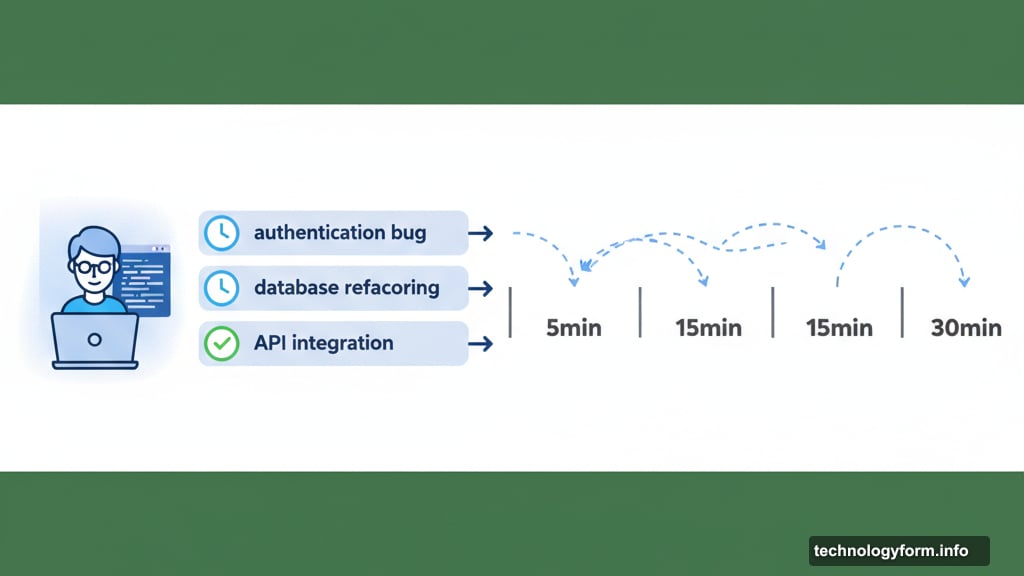
But here’s the problem nobody talks about. These agents work asynchronously. You assign a task, then they go do their thing. Maybe it takes five minutes. Maybe thirty. Meanwhile, you’ve kicked off three other agents on different tasks.
Now you’re trying to remember what you asked each one to do. Which agent is working on the authentication bug? Which one is refactoring the database queries? Did that third agent finish the API integration yet?
Agent HQ solves this coordination nightmare. You see all your agents’ work in real time. You can intervene when something looks wrong. You can reassign tasks on the fly.
The Technical Reality
GitHub Copilot subscribers will get access to these third-party agents over the coming months. However, Copilot Pro+ users get OpenAI Codex in VS Code Insiders this week.
That’s a smart rollout strategy. Start with power users who’ll provide detailed feedback. Iron out the integration bugs. Then expand to everyone else.
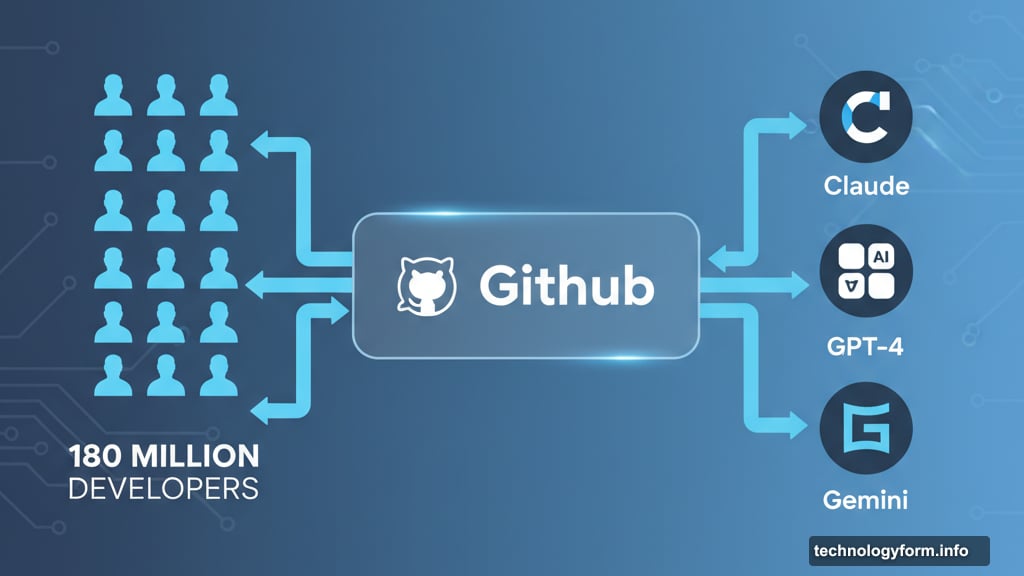
The platform now supports over 180 million developers. Moreover, GitHub says it’s growing faster than ever. Those numbers matter because Agent HQ succeeds only if developers actually use it.
What GitHub Really Built Here
This isn’t just a convenient dashboard. It’s a strategic platform play.
Think about it. GitHub now sits between developers and every major AI provider. Want to use Claude for code review? Route it through GitHub. Need GPT-4 for documentation? Access it via Agent HQ. Prefer Google’s Gemini for debugging? GitHub handles that too.
Microsoft acquired GitHub back in 2018 for $7.5 billion. That seemed expensive at the time. Now? It looks brilliant. GitHub controls the platform where AI coding happens.
Plus, GitHub gets valuable data from this setup. They see which agents developers prefer. They learn which tasks work best with which models. They understand real-world AI agent workflows better than anyone.
The Competition Isn’t Sleeping
Other companies are watching this closely. JetBrains could build something similar for their IDEs. Visual Studio Code might integrate agent management directly. Cloud providers like AWS could launch their own agent orchestration platforms.
But GitHub has first-mover advantage here. They already host the code. Developers already use GitHub daily. Adding agent management is a natural extension of their workflow.
Still, this space will get crowded fast. The question isn’t whether competitors will emerge. It’s whether they can catch up before GitHub locks in the market.
The Developer Experience Problem
Here’s what bugs me about all this. We’re adding complexity while claiming to reduce it.
Yes, managing five agents through one dashboard beats managing them separately. But do developers really need five AI coding agents? Or did we create artificial complexity that now requires another tool to manage?
I’ve tested several coding agents. Most developers use maybe two regularly. The rest sit idle or get tried once and forgotten. So Agent HQ might be solving a problem that only exists because AI companies flooded the market with overlapping products.
That said, the interface looks genuinely useful. Being able to see all agent activity in one place helps even if you’re only using two or three. Real-time monitoring matters when agents work asynchronously. Course correction capabilities prevent wasted time on misdirected tasks.
What This Means for Development Teams
For individual developers, Agent HQ streamlines their workflow. No more context switching between tools. Everything lives in one place.
For development teams, this gets interesting. Imagine team leads monitoring agent usage across their entire team. They could identify bottlenecks. They’d see which agents deliver the most value. They could standardize on the best tools instead of everyone using different ones.
Enterprise IT departments will love this too. Single sign-on. Centralized billing. Unified security policies. All the boring stuff that matters in corporate environments.
The Bigger Picture
Daigle described this as preventing an “era of abundance” from turning into chaos. That’s more insightful than it sounds.
We’re in an AI gold rush right now. Every company is shipping agents as fast as possible. Quality varies wildly. Capabilities overlap constantly. Integration becomes a nightmare.
So platforms that impose order on this chaos will win big. GitHub positioned itself perfectly. They’re not competing with the AI providers. They’re complementing them. Everyone wins when GitHub succeeds here.
Except maybe the developers who preferred simpler times when code editors just edited code. But those days are gone. AI agents are here to stay. The question was never “if” but “how” we’d manage them all.
GitHub just answered that question. Whether their answer becomes the standard remains to be seen. But right now, they’re the only ones offering a real solution to a real problem that affects millions of developers daily.