ChatGPT Roasted My 2026 Goals. It Actually Helped
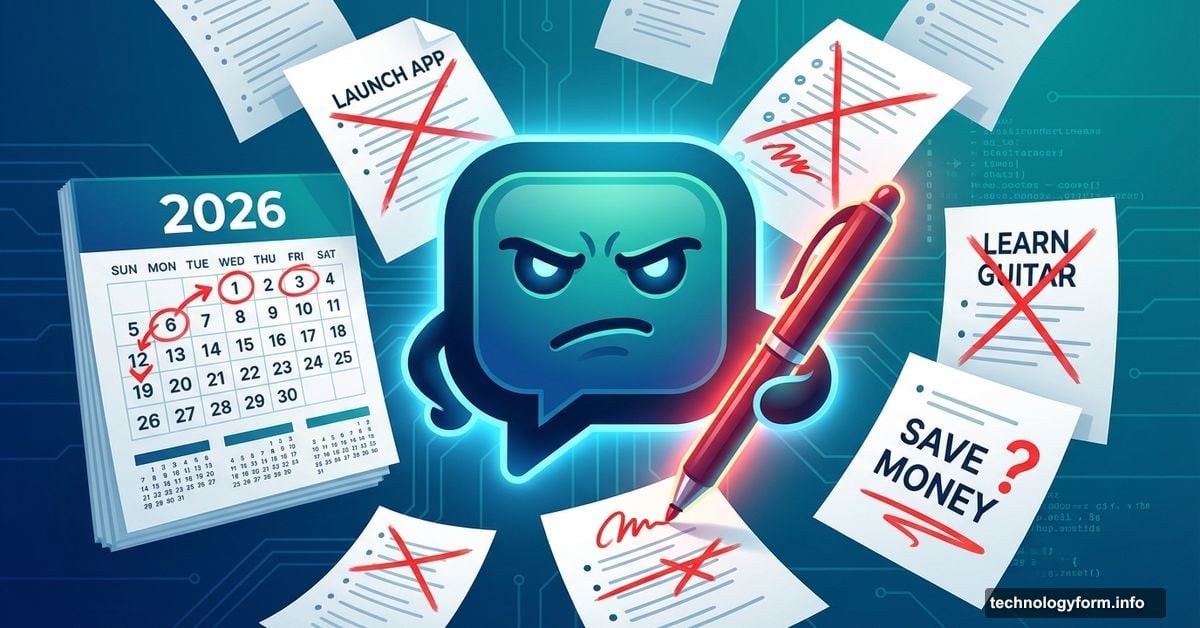
I dumped my entire goal list into ChatGPT and asked it to find the weak spots. The AI didn’t hold back.
Five weeks into 2026, my ambitious goal list looked impressive on paper. But something felt off. I was juggling career growth, pregnancy plans, travel, fitness targets, and a website launch all at once.
So I tried something different. Instead of asking AI to generate goals for me, I fed it my existing plans and told it to play devil’s advocate. The results surprised me.
Why I Used ChatGPT as My Reality Check
I’ve experimented with AI for goal-setting before. Sometimes it works. Other times it just spits out generic advice that sounds smart but helps nobody.
But this time, I wanted AI to challenge my thinking. Not replace it. I already had my goals written in Notion. I just needed someone to point out the obvious problems I was too close to see.
Plus, ChatGPT already knows a lot about my work and habits from previous conversations. That context matters. Though I should mention that OpenAI plans to add ads soon, so don’t share anything too personal. Claude might be a safer bet since Anthropic says it’ll stay ad-free.
Either way, treat AI chatbots like public forums. Never share sensitive details.
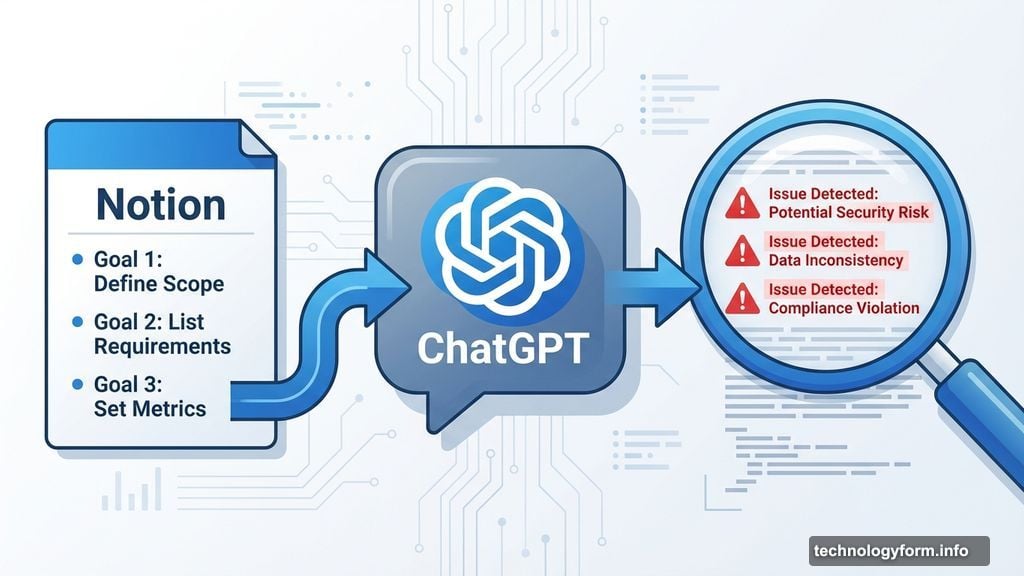
The Prompt That Started Everything
I copied my entire goal list and pasted it into ChatGPT with this instruction:
“These are my 2026 goals. I want you to help me see my blind spots, so I can achieve as many of these as possible. If I only achieve my three biggest goals, I’ll define this as a successful year. Where might I fall short? What do I have to pay attention to throughout the year? Be pragmatic and not a people pleaser. Ask me questions before you make assumptions.”
That last part mattered. Most AI tools default to cheerleader mode. They tell you everything sounds great. I needed brutal honesty instead.
ChatGPT Spotted the Obvious Problem
The AI pointed out something I’d been ignoring. I was trying to stack identity-level goals during what would be a physically and emotionally volatile year.
It identified three major assumptions I’d made:
Planning as if pregnancy would be predictable. Assuming my work capacity would stay steady all year. Setting social goals that directly conflicted with pregnancy demands.
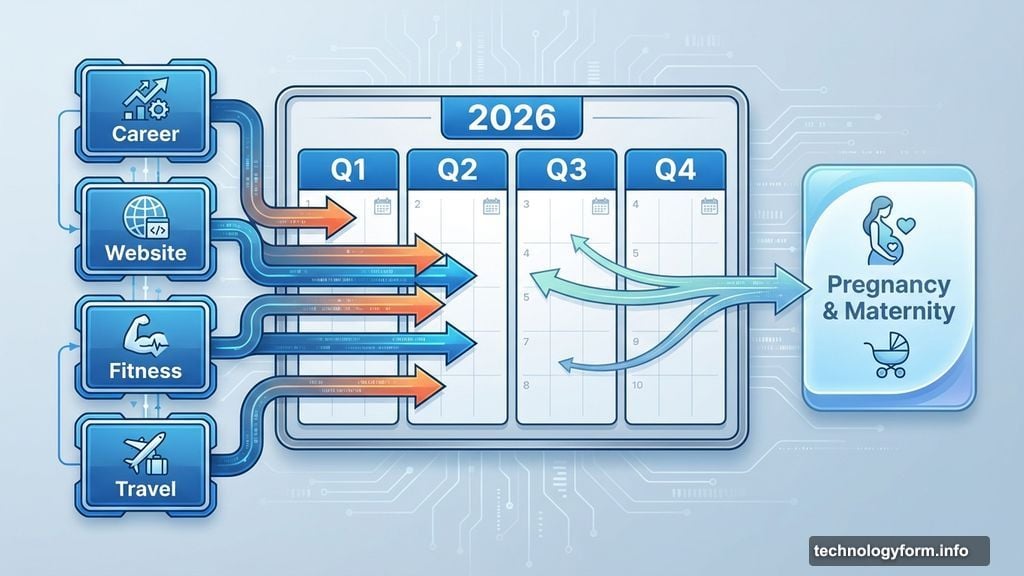
Then it gave me quarterly focus areas. That felt right. I’d frontloaded huge goals into the first half of 2026 because I needed to take maternity leave later. But ChatGPT noted I was underestimating how much energy that would actually require.
The Insight That Hit Hard
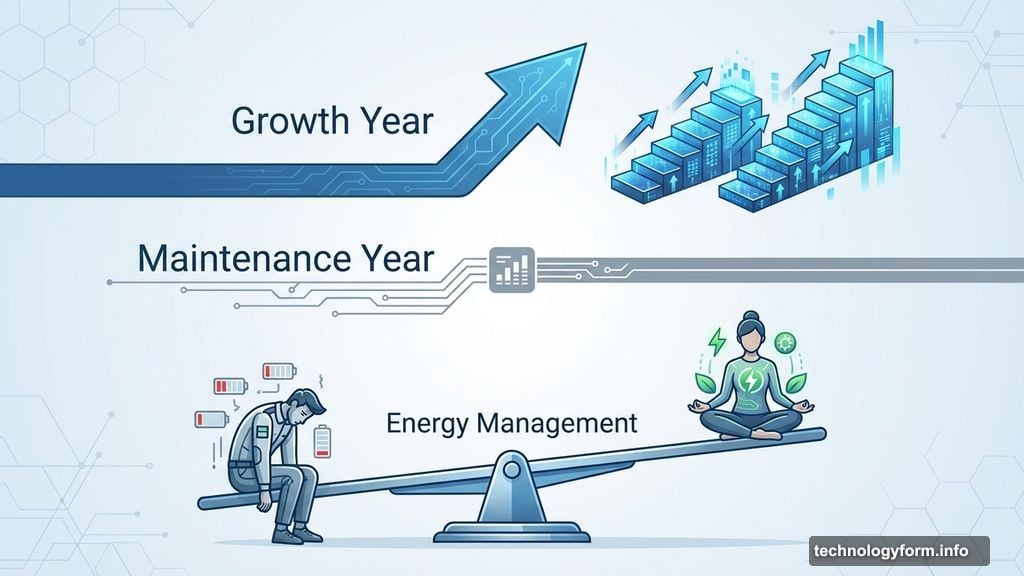
ChatGPT suggested I think of 2026 as a maintenance year, not a growth year. That stung at first.
But it made sense. The AI recommended reducing cognitive load everywhere possible. Same workout schedule every week. Same content format. Same networking structure. Same travel rules.
It also asked tough questions: Which goal would I soften if pregnancy happened in Q1 or Q2? What does “financially stable” actually mean to me emotionally? How many hours per week can I realistically work without burning out?
Those questions forced me to get specific about what really mattered.
Too Many Soft Yeses
After I answered the follow-up questions, ChatGPT delivered another uncomfortable truth. I had too many “soft yeses” on my list. Little goals that seemed harmless but would quietly drain my time and energy.
It called this “death by a thousand quiet overextensions.” Harsh. But accurate.
The AI suggested reframing career success as retention, not growth. It noted my fitness goals needed a pregnancy clause. It warned that my planned Australia trip would be more disruptive than I expected.
Operating Rules That Actually Made Sense
ChatGPT gave me three operating principles:
Cash buffer beats excitement this year. Front-load client work well before my planned break. Completion matters more than perfection for my website and product launch.
It also pushed me to define my absolute nonnegotiables. What had to happen for 2026 to feel successful?
I came up with seven things. Everything else became optional.
My Seven Nonnegotiables for 2026
Getting pregnant or making significant progress toward it. Paying off debt. Visiting family in Australia. Launching my new website and digital product. Maintaining existing client relationships. Keeping up consistent content creation. Taking care of my physical and mental health.
ChatGPT helped me see that debt payoff mattered more than conferences or fancy self-care splurges. That my Australia trip timing needed careful coordination with client work. That maintenance really was the success metric this year.
The Verdict on AI Goal Coaching
Did ChatGPT reveal massive flaws in my planning? Not exactly. But it did force me to clarify priorities and face uncomfortable truths.
Most helpful was the permission to focus on seven things instead of twenty. I turned those seven nonnegotiables into an iPhone wallpaper using Nano Banana. Now I see them every time I unlock my phone.
Will I hit every goal? Probably not. But I know which ones actually matter. That clarity alone made the exercise worthwhile.
Sometimes you don’t need AI to generate ideas. You just need it to ask the hard questions you’ve been avoiding.