TikTok Just Got Sold. Here’s Who Owns It Now
TikTok’s four-year rollercoaster just ended with a bang. The Chinese-owned app finally signed a deal to transfer control of its US operations to American investors.
After months of uncertainty, temporary outages, and political drama, US users can breathe easier. But the transition brings major changes. Let’s break down who owns what and what happens next.
American Investors Now Control Nearly Half
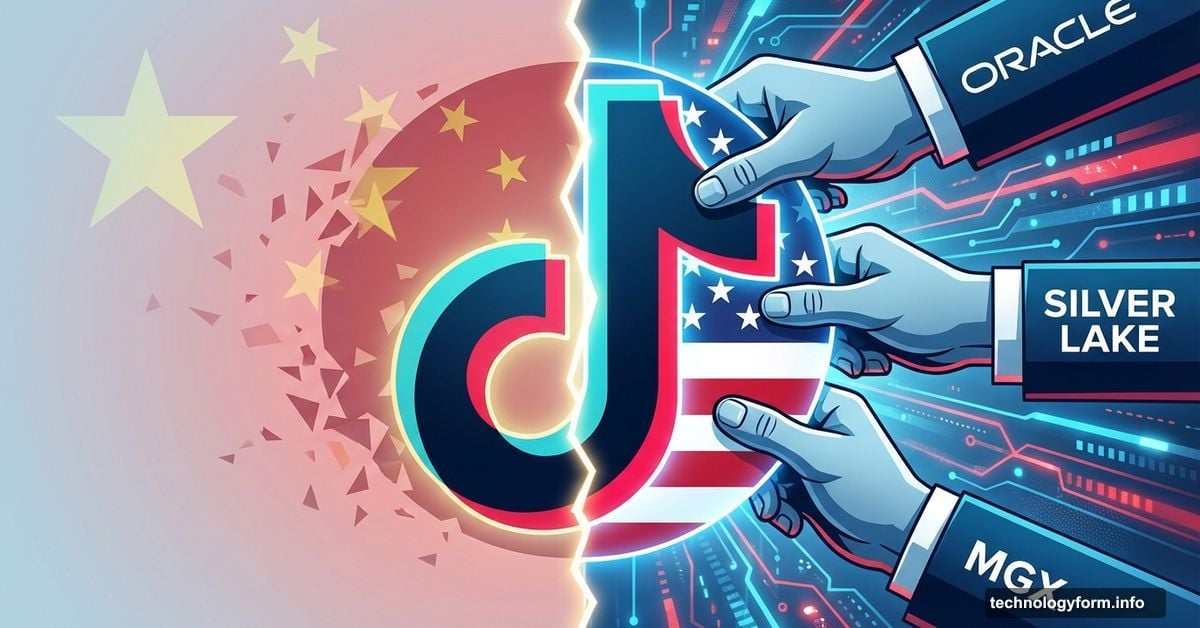
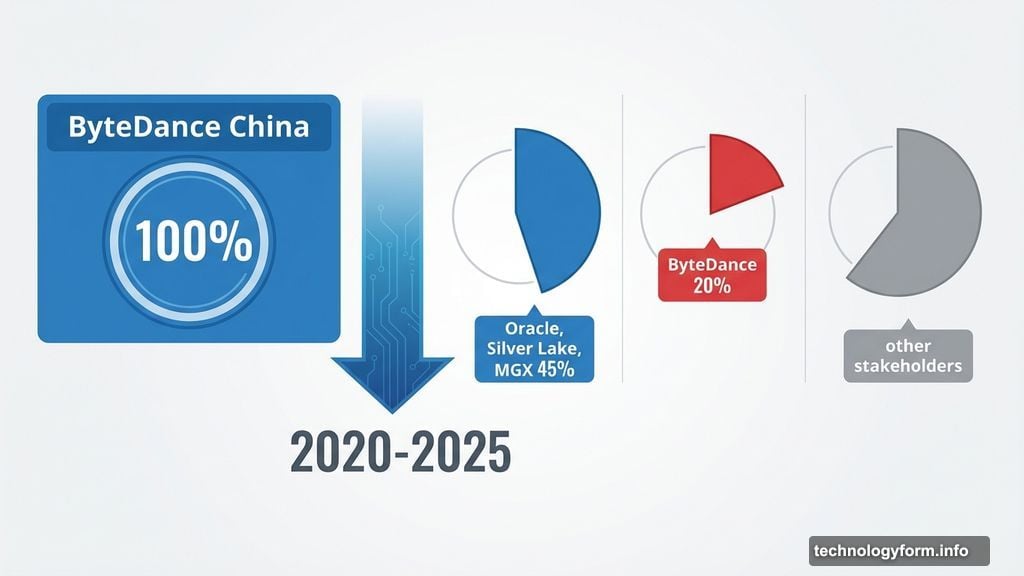
The deal splits ownership between three major players. Oracle, private equity firm Silver Lake, and investment firm MGX collectively own 45% of TikTok’s US operations.
ByteDance keeps roughly 20% of the stake. That’s a massive drop from full ownership. But it allows the Chinese parent company to maintain some financial interest while satisfying US regulators.
The newly formed “TikTok USDS Joint Venture LLC” will run day-to-day operations. This includes data protection, algorithm security, content moderation, and software assurance. Oracle takes the lead as the trusted security partner responsible for auditing and compliance.
Oracle Gets the Keys to the Algorithm
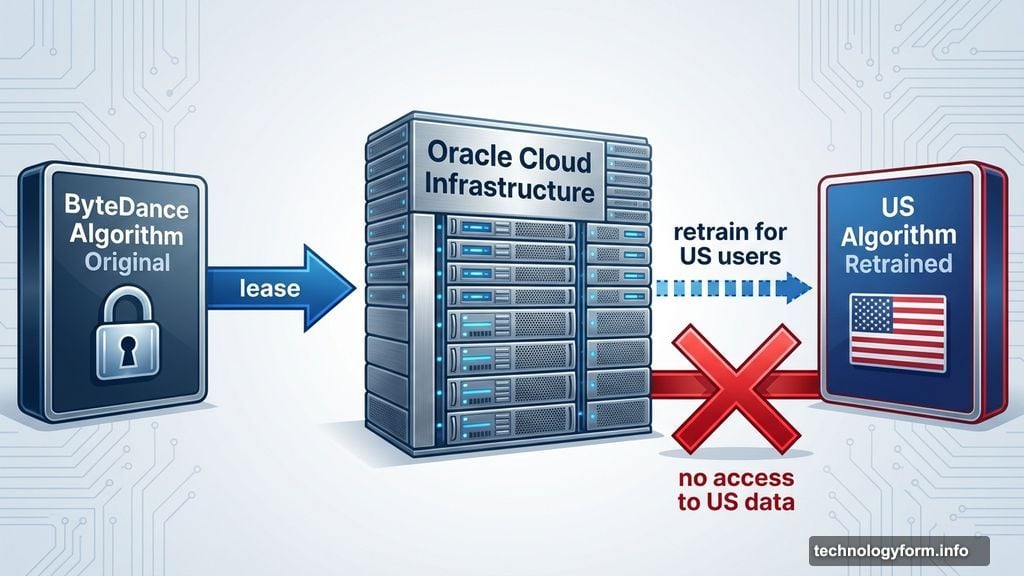
Here’s where it gets interesting. Oracle will replicate and secure a new US version of TikTok’s famous algorithm.
The US-based owners can lease this algorithm from ByteDance. But Oracle will retrain it specifically for American users. ByteDance loses access to information about US users and gains zero influence over how the US algorithm works.
This setup addresses the biggest concern that started this whole mess. The Chinese government can’t demand user data or manipulate what Americans see in their feeds. At least in theory.
Oracle already provides cloud services for TikTok and manages US user data. So they know the infrastructure inside and out. Plus, Oracle made a bid to buy TikTok back in 2020. They’ve wanted this for years.
Your Current App Disappears Soon
According to Bloomberg, when the deal closes on January 22, 2026, the existing TikTok app gets discontinued in the US. Users must transition to a new platform.
What that platform looks like remains unclear. Will it have the same features? The same interface? The same vast library of content? Nobody knows yet.
This creates massive uncertainty for TikTok’s 170 million US users. Plus, content creators who built entire businesses on the platform face serious questions about their livelihoods.
How We Got to This Chaos
The TikTok saga started in August 2020 when Trump first tried to ban the app. He signed an executive order blocking transactions with ByteDance. Then he demanded the company sell its US operations.
Microsoft, Oracle, and Walmart competed to buy it. But a judge temporarily blocked the executive order. TikTok kept operating while lawyers battled in court.
Things escalated under Biden’s administration. The Senate passed a bill against TikTok. Biden signed it. TikTok sued the government, arguing the ban violated First Amendment rights.
The company consistently denied posing security threats. They claimed their US data storage complied with all local laws. But concerns about Chinese government access persisted.
Trump’s Complete 180-Degree Turn
Trump changed his tune dramatically since his first term. He originally wanted to ban TikTok completely. Now he pushed for a 50-50 ownership split and kept extending deadlines.
In fact, Trump extended the TikTok ban deadline four times. His administration approved this deal after claiming President Xi Jinping of China gave his blessing.
Several investor groups competed for TikTok. The People’s Bid for TikTok, led by Frank McCourt’s Project Liberty, had backing from Reddit co-founder Alexis Ohanian and inventor of the World Wide Web Tim Berners-Lee.
Another group called the American Investor Consortium included Roblox co-founder David Baszucki and YouTuber MrBeast. Even Amazon, Microsoft, Perplexity AI, and Walmart explored buying the app.
The $14 Billion Question
Sources estimate TikTok’s US operations are worth approximately $14 billion. That’s the figure Vice President JD Vance mentioned publicly.
For context, that’s less than half of what many expected. TikTok’s global valuation sits much higher. But the forced sale under political pressure likely depressed the price.
ByteDance stated publicly it would ensure the platform remains available to American users. However, the transition to a new app creates huge technical and logistical challenges.
Content Creators Face Uncertain Future
This deal has massive implications for influencers and businesses built on TikTok. Many creators earn six-figure incomes through the platform. They’ve spent years building audiences and developing content strategies.
Now they must transition to a new platform with unclear features. Will their follower counts transfer? Will the new algorithm favor them? Will monetization options remain the same?
Nobody knows. And that uncertainty is brutal for people whose livelihoods depend on the app. Some creators are already diversifying to YouTube Shorts and Instagram Reels as backup plans.
The deal might secure TikTok’s presence in America. But it doesn’t guarantee the same experience or opportunities for its massive creator community.
This saga took four years to resolve. Yet the biggest changes are still ahead as users and creators navigate what comes next.