WhatsApp Opens Doors to Third-Party Messaging Apps in Europe
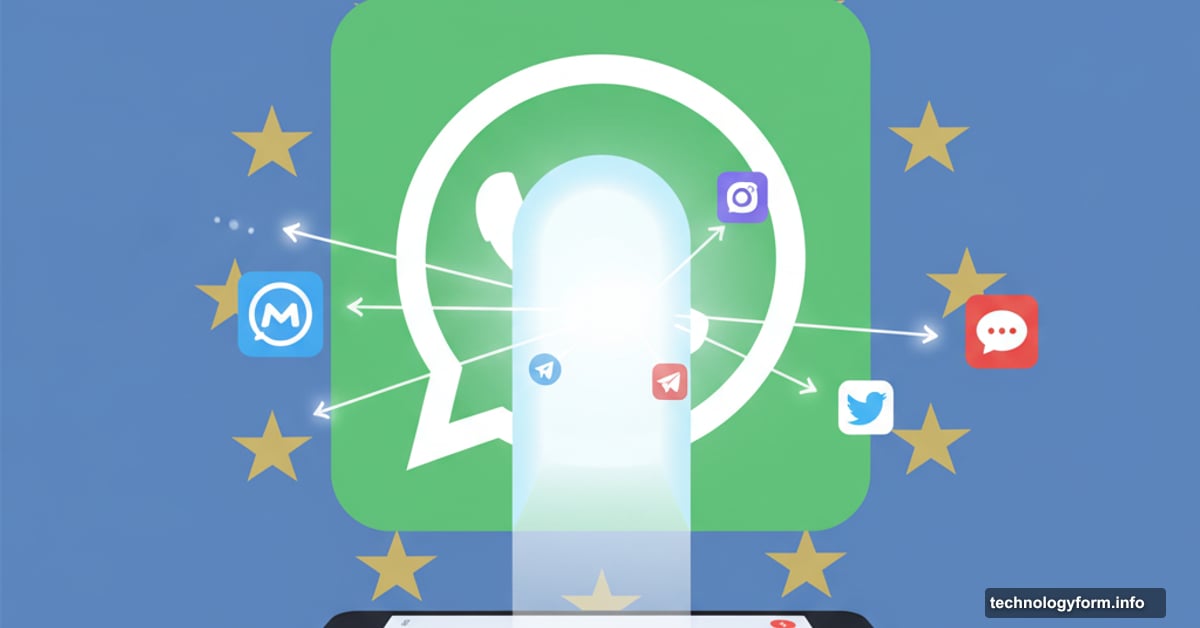
WhatsApp just crossed a massive threshold. European users can now chat with people on other messaging apps without leaving WhatsApp.
This isn’t some small feature update. It’s the first real crack in the walled garden that messaging apps have built over the past decade. Plus, it only exists because EU regulators forced Meta’s hand.
The Digital Markets Act Strikes Again
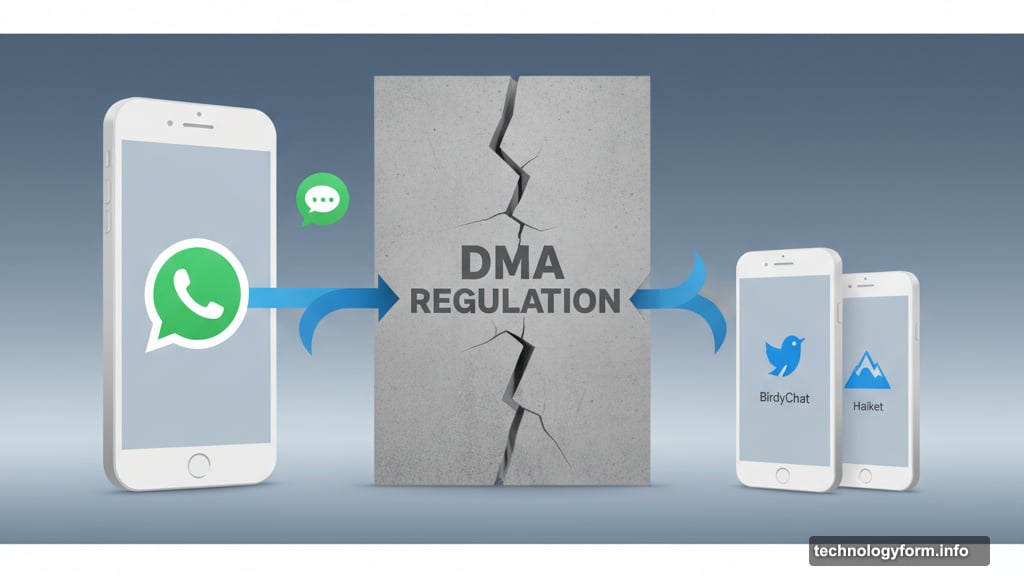
Europe’s Digital Markets Act (DMA) changed the game for big tech platforms. The law requires dominant messaging services to open up to competitors who want to integrate.
Meta spent three years working with European messaging services and the European Commission to make this happen. The result? WhatsApp users in Europe can now exchange messages with users of BirdyChat and Haiket without switching apps.
So this marks the first time a major messaging platform has opened its ecosystem to direct competition. That’s a big deal for how we think about communication platforms going forward.
What Actually Works Right Now
The integration launched with solid functionality out of the gate. European users who opt in can share several message types with third-party app users.
Supported features include:
- Regular text messages
- Images and photos
- Voice messages
- Videos
- File attachments
However, group chats with third-party users aren’t ready yet. Meta says that feature launches once its partners finish building support for it. That could take weeks or months based on Meta’s vague timeline.
Moreover, the integration only works on Android and iOS phones. Desktop users, web users, and tablet users are out of luck for now. That’s a significant limitation since many people use WhatsApp across multiple devices.
How to Actually Use It
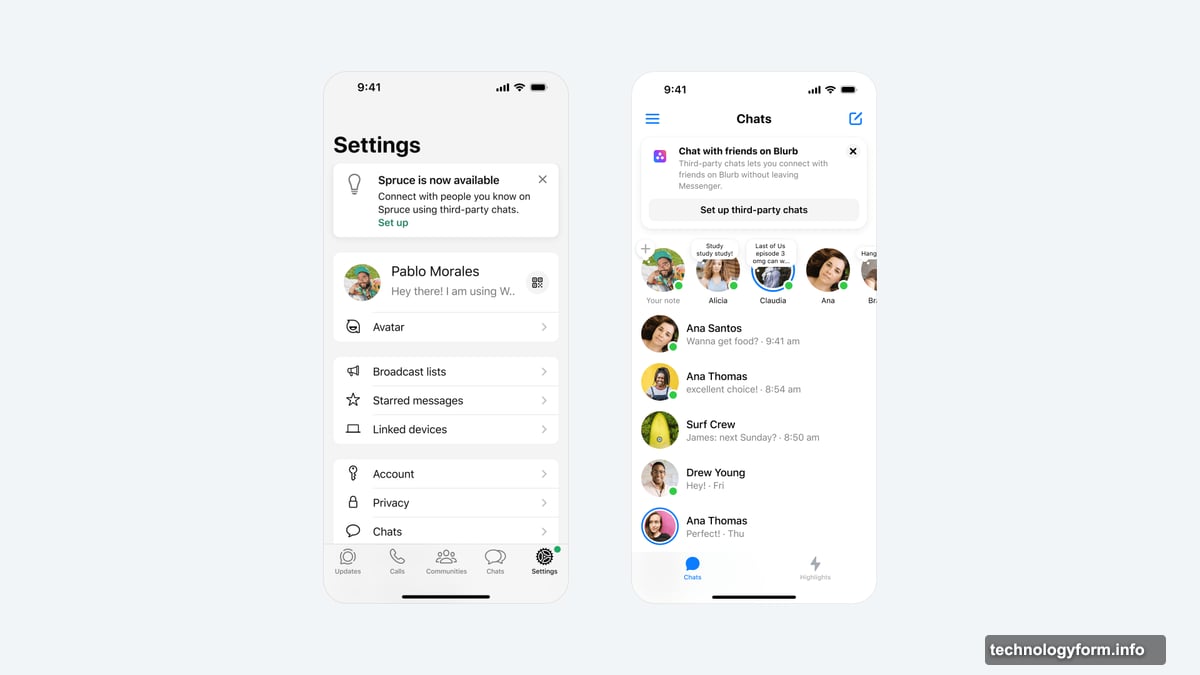
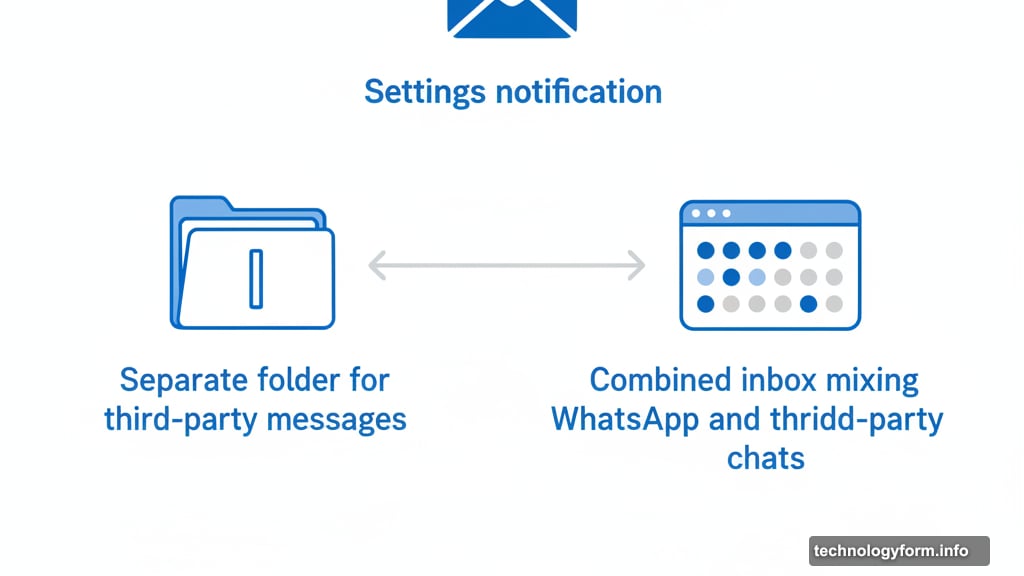
Meta designed the opt-in process to be straightforward, not hidden in settings. European users will see a notification in the Settings tab explaining third-party chat integration.
From there, you choose whether to enable the feature. If you turn it on, you get two inbox options. First option: a separate folder for all third-party messages. Second option: a combined inbox mixing WhatsApp and third-party chats together.
Plus, Meta promises to notify you each time a new third-party messaging app becomes available. So you’ll know when more options appear beyond BirdyChat and Haiket.
But here’s the key part. Turning on third-party chats is completely optional. You can enable it, try it, and disable it anytime without consequences. Meta made sure users understand this isn’t mandatory.
The Security Question Nobody Asked
End-to-end encryption is non-negotiable for this integration. Meta requires third-party messaging apps to match WhatsApp’s encryption standards.
That’s crucial because mixing encrypted and unencrypted messages in one app would be a privacy disaster. Users need to know their messages stay secure regardless of which app the recipient uses.
However, Meta also built in visual cues to highlight differences between WhatsApp chats and third-party chats. The company wants users to clearly understand when they’re messaging someone on a different platform.
So third-party integrations get marked differently in your chat list. That prevents confusion about which platform you’re actually using at any moment.
Why Only Two Apps So Far
BirdyChat and Haiket are the launch partners. But why these relatively unknown European messaging services?
Meta says these partnerships resulted from three years of collaboration. That timeline suggests the companies worked closely with Meta throughout the entire DMA compliance process.
Yet major competitors like Signal, Telegram, or even iMessage remain absent from the launch. Those platforms would deliver far more value to users than two lesser-known apps.
The answer probably involves technical complexity and willingness to cooperate. Building secure, interoperable messaging isn’t trivial. Many competitors might prefer staying independent rather than integrating with Meta’s infrastructure.
What This Means for Messaging Competition
This integration fundamentally shifts power dynamics in messaging. For the first time, users don’t need to convince all their contacts to switch apps just to chat with them.
Instead, you can keep using WhatsApp while your friends stick with their preferred platforms. That removes the biggest barrier to trying new messaging apps: network effects.
So smaller messaging services suddenly have a real chance to compete. They don’t need to reach critical mass anymore. They just need to build a better product and integrate with WhatsApp.
But here’s the catch. This only works in Europe because of DMA regulations. Users in other regions still face the same old problem of fragmented messaging ecosystems.
The Rollout Timeline
Meta says the integration starts rolling out “soon” across Europe. That vague timeline suggests a gradual launch rather than flipping a switch for everyone at once.
The company tested the feature at small scale over recent months. Those tests apparently went well enough to justify a broader release.
However, Meta hasn’t committed to specific dates or countries. European users should start seeing the opt-in notification over the coming weeks and months.
Plus, the company promises more third-party apps will join after the initial launch. That depends entirely on whether other messaging services choose to integrate and can meet Meta’s security requirements.
What Comes Next
Group chats represent the obvious next milestone. Meta says that feature launches once partners support it, but gave no timeline.
After that, desktop and web support seem like natural extensions. Many professionals rely on WhatsApp’s desktop apps for work communication. They’ll want third-party integration there too.
But the bigger question is whether this expands beyond Europe. Meta built this entire system because EU regulations forced compliance. Without similar laws elsewhere, the company has little incentive to open up globally.
Europe Led. Will Others Follow?
This third-party integration only exists because regulators demanded it. Meta didn’t volunteer to open its platform.
But now that the infrastructure exists, expanding it becomes easier. Other regions could pass similar laws and force implementation using the work Meta already completed for Europe.
That’s exactly what happened with Apple’s app sideloading. Europe got it first. Then other regions started demanding the same access.
So watch what happens next. If third-party messaging integration proves popular in Europe, users elsewhere will start asking for it too. And their governments might actually listen.
The real test isn’t whether this works technically. Meta already proved that. The real test is whether people actually use it and demand its expansion worldwide.