Vibe Coding Just Made Everyone a Developer. But There’s a Catch
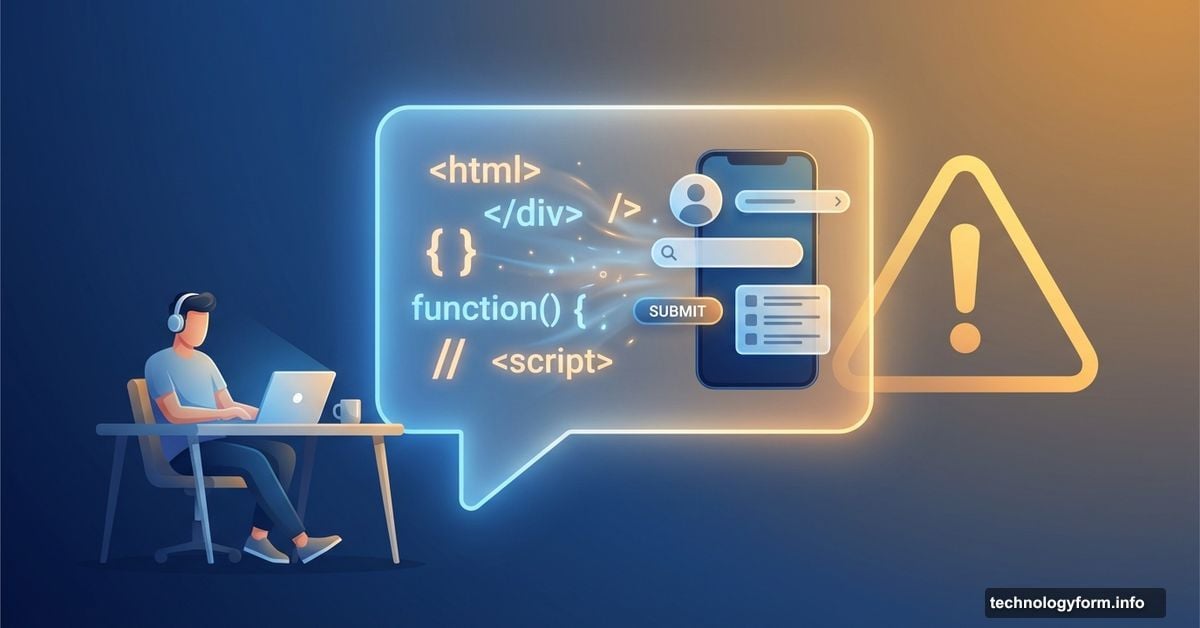
You describe what you want. AI writes the code. Minutes later, you’re testing a working app.
That’s vibe coding. No syntax memorization. No debugging obscure error messages. Just plain English instructions that transform into functional software. Plus, you don’t need to understand how code actually works.
Sounds revolutionary. But before you quit your day job to become an overnight developer, let’s examine what vibe coding really delivers and where it falls short.
AI Replaced Syntax But Not Computer Literacy
Vibe coding removes the hardest barrier to programming. You no longer need to master JavaScript, Python or any traditional language. Instead, you chat with an AI model the way you’d text a friend.
“Build me a recipe organizer with tags and search” becomes a working app. The AI generates the structure, interface and logic. You test it, spot issues and refine your instructions until everything works.
But here’s the problem most beginners hit. The AI hands you raw code. Now what? Where does it go? How do you run it? What’s an HTML file versus a Python script?
Sam Dhar, former engineering leader at Adobe and Amazon Alexa, told CNET that someone still has to evaluate what the AI produces. “Only someone who has that knowledge and experience can truly effectively use AI to build things that are production-ready,” he explained.
So vibe coding replaces technical knowledge but not basic computer skills. You still need to know how files work, how to save code properly and how to preview results in a browser.
The Tools That Actually Work
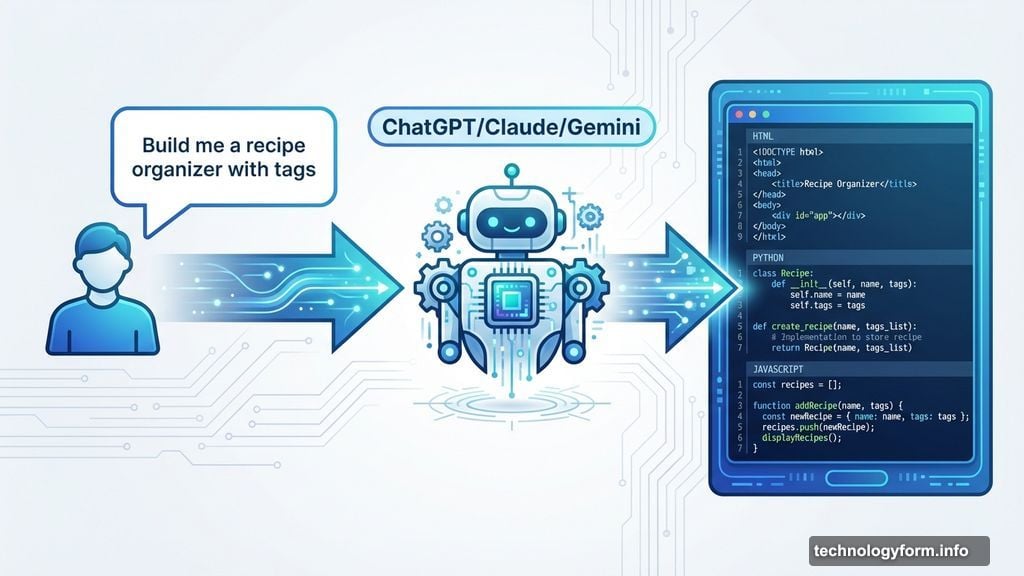
ChatGPT, Claude, Gemini, Grok, Cursor and GitHub Copilot Workspace all generate code from natural language prompts. Most offer limited free access. But they all share one weakness: they dump code into your lap without showing you what to do next.
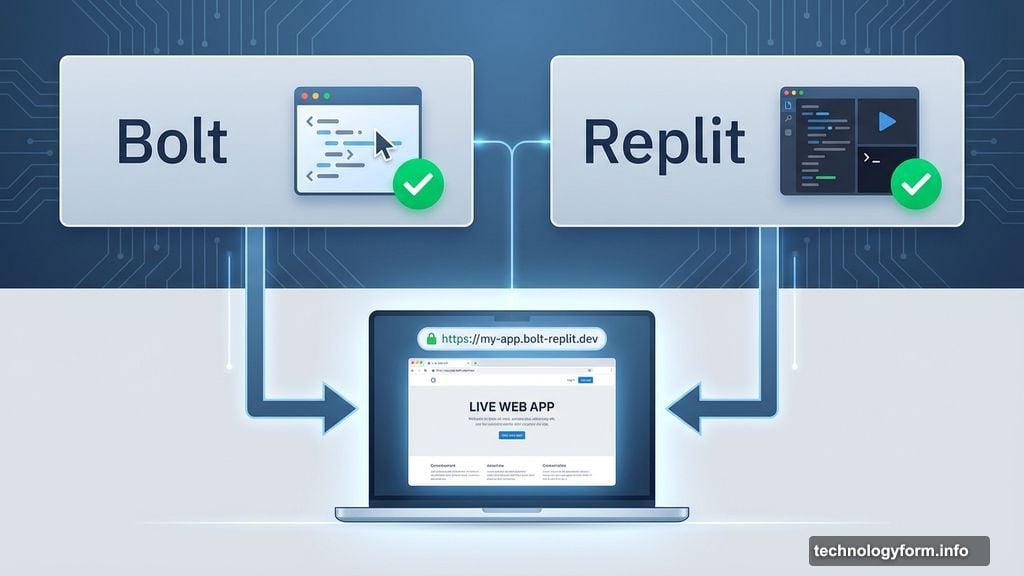
Platforms like Bolt and Replit solve this problem. Instead of copying code into a text editor, you describe what you want directly in their interface. The AI builds the entire project inside their editor, sets up the structure and lets you publish immediately using their free URL.
However, that convenience comes with a cost. You sacrifice visibility into how the system actually works. And if you’re a perfectionist, you might spend hours tweaking prompts to get things just right. I certainly did. Then I ran out of free tokens before achieving exactly what I wanted.
Most platforms provide a free public URL for your project. You don’t need to pay for hosting or a custom domain unless you want one. You can also connect a domain you already own.
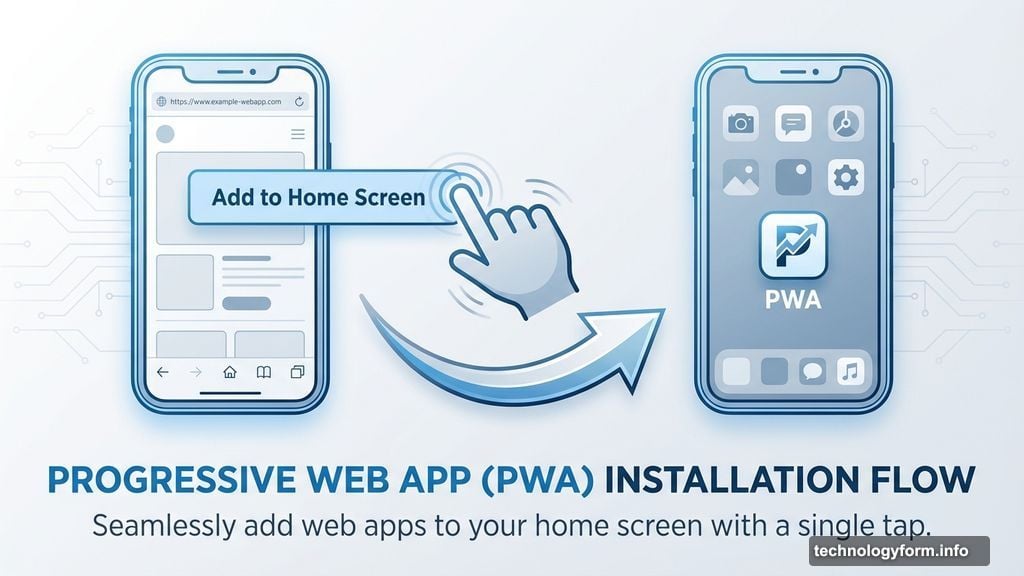
Want your web app to feel like a real mobile app? The easiest path for both iOS and Android is converting it to a progressive web app. Open it in your phone’s browser and tap “Add to Home Screen.” Takes 10 seconds. Costs nothing. Requires no approval.
Getting into actual app stores? That’s different. iOS demands a Mac, Xcode software, an Apple Developer account costing $99 yearly and manual building plus testing. Android simplifies the process with a one-time $25 Google fee and no Mac requirement. You can build and upload directly from Replit or Bolt via Expo and publish your app in hours.
Where Vibe Coding Actually Wins
Traditional programming means you write every line yourself. You understand the logic. You control the entire structure. You also carry responsibility for debugging, performance and security.
No-code tools like Webflow and Notion let you assemble software through visual interfaces. They work well for websites, small CRM systems and internal dashboards. But they restrict you to predefined templates and structures.
Vibe coding occupies the middle ground. You focus on outcomes instead of implementation. Describe what you want in plain language. The AI generates the framework, interface and behavior.
Developers use it for rapid prototyping and eliminating repetitive tasks. Beginners build projects they’d never attempt with traditional programming: recipe organizers, to-do lists, microblogs, budgeting tools or basic notes apps.
Some try simple games, browser extensions and quick utilities for cleaning files. But these come with caveats. A browser extension still requires loading it through your browser’s settings. Someone with zero technical background will need guidance even when the AI generates all the code.
The Problems Nobody Mentions
I spent several hours building an X post refiner. Back and forth prompting. Tweaking instructions. Testing variations. It finally worked in Gemini Canvas but refused to function as a standalone HTML file.
That’s vibe coding’s dirty secret. It excels at prototypes, throwaway projects and personal experiments. But beginners often can’t spot errors or security issues in generated code. Some projects become impossible to maintain because the AI mixes conflicting patterns or creates technically correct but unreadable code.
Vibe-coding tools rely on large language models. So they hallucinate code the same way chatbots hallucinate answers. That’s manageable in a small side project. Far more serious in apps handling user data, requiring strict security or supporting many users simultaneously.
Dhar advises keeping vibe-coded projects “small and controlled” so someone with enough experience can inspect every decision before launch. We’re not ready to vibe-code our way into production-grade systems.
Anything requiring long-term stability or strong security still demands real engineering. A vibe-coded app may look polished on the surface. But hidden bugs often reveal themselves only after extended use.
Why This Moment Matters
Andrej Karpathy, AI researcher and former director of AI at Tesla, coined the term “vibe coding” in early 2025. He described it as a workflow where you “fully give in to the vibes” and stop worrying about the code itself.
The phrase spread so quickly that Collins Dictionary named it Word of the Year. Y Combinator data from their Winter 2025 batch showed about 25% of startups had codebases built almost entirely by AI.
People who couldn’t code before can now build simple apps. Developers who normally spend hours writing every line can save time by just describing what they need. If you can articulate an idea, you can build the first version of it.
Programming has long been considered an elite skill. AI is democratizing it the same way it’s reshaping many other fields. But skilled developers aren’t running for cover yet. They’re the ones who identify issues and correct them when AI gets things wrong.
Dhar emphasized this point: “AI is never going to be able to replace humans because there has to be accountability. Maybe we might not need as many programmers to do the same amount of work as we used to, but that still requires a lot of skill and experience.”
The Reality Check
Vibe coding lowers the barrier to entry. That’s genuinely valuable. More people experimenting with software creation means more diverse ideas and perspectives.
But it doesn’t eliminate the need for understanding systems, evaluating trade-offs and making informed architectural decisions. Software development remains a pyramid of choices. From tiny UI details like button color to high-level questions about user capacity and performance requirements.
Not every decision can be spelled out in one giant prompt to a model. Real projects still need experienced people who can review generated code, spot potential issues and guide the overall direction.
So vibe coding is powerful for getting started. For learning through experimentation. For building personal tools and quick prototypes. Just don’t mistake it for a replacement for actual software engineering expertise.
The gap between “it works on my laptop” and “it serves 10,000 users reliably” remains enormous. Vibe coding bridges the first step. Everything after that still requires real knowledge, careful planning and constant vigilance.