Roblox Forces Kids to Submit Selfies for Age Checks
Roblox just made a controversial move. Starting this month, tens of millions of children must verify their age using facial scans or government IDs to keep chatting on the platform.
The gaming giant announced mandatory age verification rolling out first in Australia, New Zealand, and the Netherlands by early December. Then it goes global in January 2025. Plus, Roblox introduced “age-based chat” that restricts kids from talking to users outside their age bracket.
This marks a major shift for a platform built on connecting young players worldwide. But after facing multiple lawsuits over child safety failures, Roblox is betting facial recognition technology can fix its trust problem.
How the Age Verification Actually Works
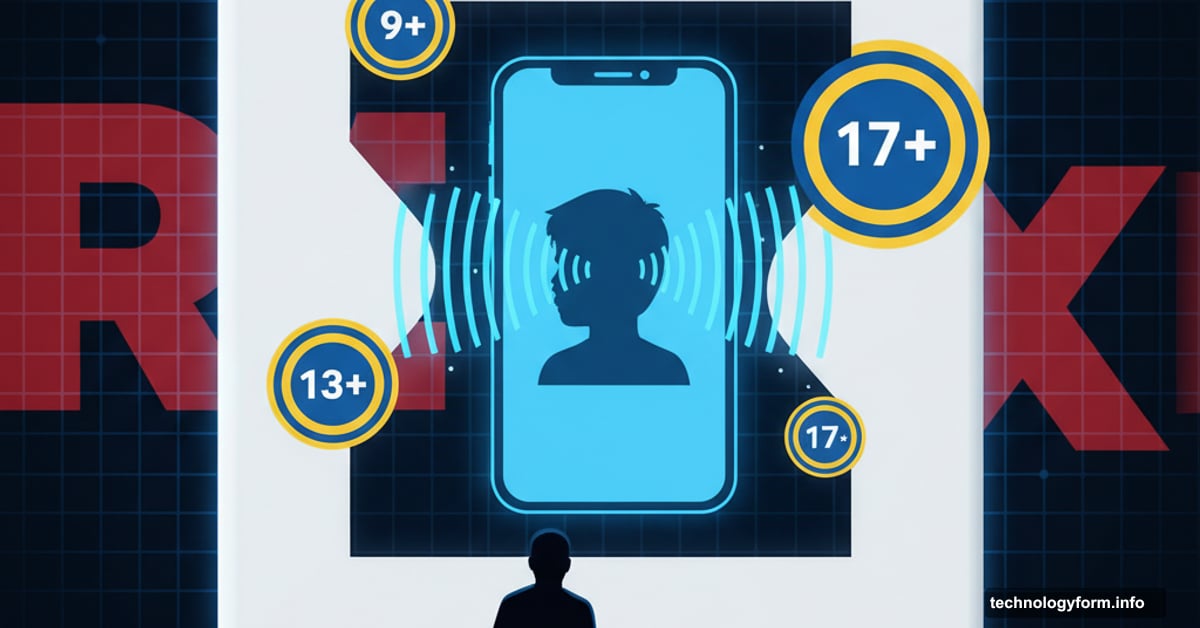
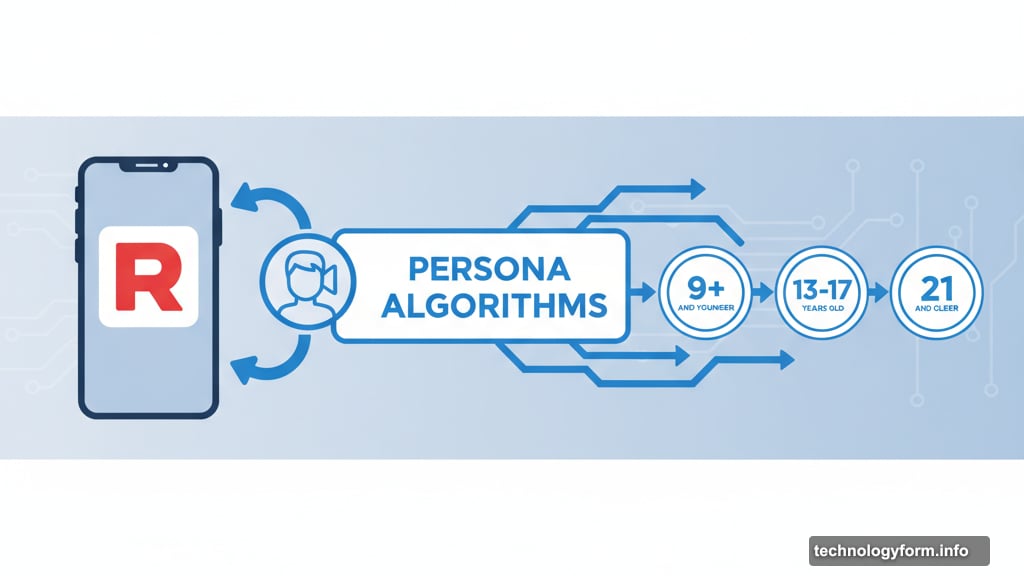
Roblox partnered with identity verification company Persona to estimate users’ ages through video selfies. The process happens inside Roblox’s app.
Here’s what happens. Users open the age verification prompt. They record a quick video selfie. Persona’s algorithms analyze facial features to estimate age. Then Roblox immediately deletes the video.
For users who can’t or won’t submit selfies, government ID uploads remain an option. But most children under 13 don’t have official identification. So selfie scanning becomes the primary path for Roblox’s youngest users.
The company claims these facial scans are “pretty accurate” within one or two years for users between 5 and 25 years old. That’s according to Matt Kaufman, Roblox’s Chief Safety Officer. However, Roblox hasn’t published independent accuracy data or third-party audits.
Age Groups Lock Kids Into Communication Bubbles
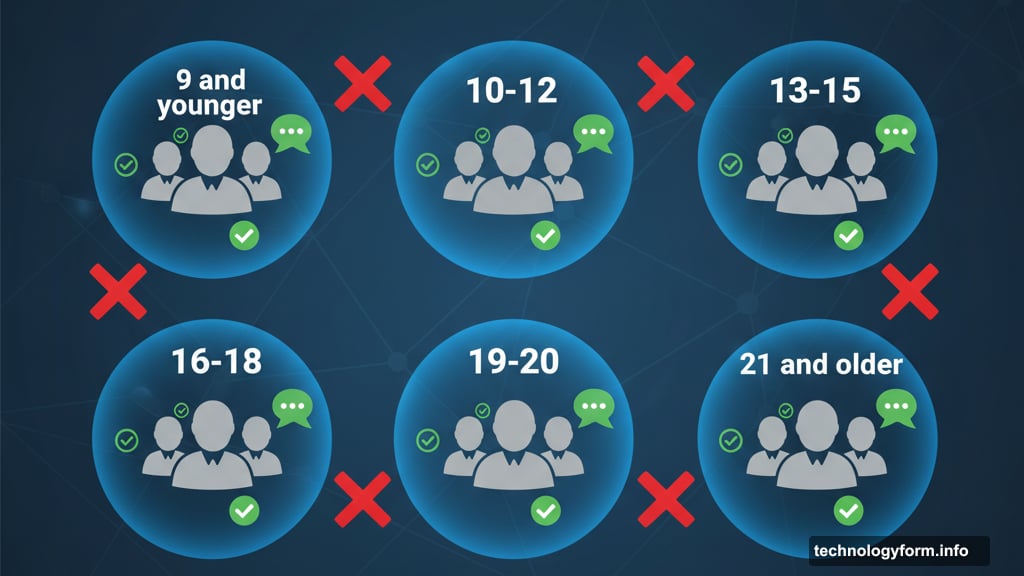
After verification, Roblox assigns each user to one of six age groups ranging from “9 and younger” to “21 and older.” These groups determine who can chat with whom in games.
The new system prevents teens and children from messaging users outside their immediate age range. A 10-year-old can’t chat with a 16-year-old. A 14-year-old can’t message a 25-year-old.
Roblox positions this as protecting children from adults who might target them. In practice, it fundamentally changes how the platform works. Cross-generational play and mentorship become impossible. Older siblings can’t easily help younger ones in-game.
Moreover, the age restrictions will expand next year. Roblox plans to limit access to external social media links and Roblox Studio based on estimated age. That means younger users lose access to development tools and community connections that made Roblox unique.
The Lawsuits That Forced Roblox’s Hand
This policy didn’t emerge from nowhere. Roblox faces active lawsuits from Texas, Louisiana, and Kentucky over alleged safety failures.
The states claim Roblox hasn’t done enough to prevent predators from targeting minors on its service. Despite years of safety updates and feature additions, incidents keep happening. So regulators decided voluntary measures weren’t working.
Roblox’s predicament mirrors broader tech industry struggles with child safety. But unlike Instagram or TikTok, Roblox explicitly welcomes users under 13. That creates unique legal exposure and ethical responsibilities.
The company insists it takes safety seriously. It points to dozens of new features, increased moderation staff, and partnerships with safety organizations. Yet the lawsuits suggest those efforts haven’t been enough to prevent real harm.
Privacy Concerns Nobody’s Addressing
Mandatory biometric data collection from children raises obvious questions. What happens to facial scan data after Roblox “immediately deletes” it? Does Persona retain training data? Can law enforcement request access?
Roblox’s privacy policy doesn’t provide detailed answers. The company says it complies with children’s privacy laws like COPPA. But those regulations were written before facial recognition technology became commonplace.
Parents now face a tough choice. Let their children submit biometric data to continue playing Roblox. Or cut off access to a platform that’s become central to many kids’ social lives. Neither option feels great.
Furthermore, age estimation accuracy varies by race and ethnicity. Facial recognition systems historically perform worse on darker skin tones. If Roblox’s system misclassifies a 14-year-old as 18, that child loses age-appropriate protections. If it misclassifies a 16-year-old as 12, that teen loses features they should access.
The Rollout Timeline Creates Pressure
Users can voluntarily verify starting now. But compliance becomes mandatory by these dates:
Early December 2024: Netherlands, Australia, New Zealand
January 2025: All other markets worldwide
Later in 2025: Age restrictions on external links and Roblox Studio
That’s a tight timeline for a platform with hundreds of millions of users. Many families won’t see the notifications until after deadlines pass. Then their children suddenly lose chat access without warning.
Roblox hasn’t explained what happens if users refuse verification. Permanent chat ban? Account suspension? The company only says chat features will become unavailable.
This creates enormous pressure on children and parents to comply quickly. There’s no time to research alternatives, evaluate privacy tradeoffs, or organize parent groups to push back.
What This Means for Gaming Platforms
Roblox’s move sets a precedent other platforms will watch closely. If mandatory age verification “works” without major backlash, expect Fortnite, Minecraft, and others to follow suit.
That would fundamentally change online gaming for children. Every platform could demand biometric data or government IDs as the price of entry. Parents who refuse would essentially cut their kids off from digital social life.
On the other hand, if Roblox faces significant user attrition or regulatory challenges, other platforms might avoid similar requirements. The next six months will show which path the industry takes.
Gaming executives are certainly watching. They’ve seen how TikTok and Instagram struggled with age verification mandates. Now Roblox becomes the test case for biometric verification at massive scale with very young users.
The Hard Truth About Platform Safety
Roblox’s safety problem isn’t fundamentally a technology problem. It’s a business model problem.
The company profits by keeping users engaged as long as possible. More engagement means more in-game purchases and more hours watching ads. But that same engagement creates opportunities for predators to build trust with children over time.
Age verification might prevent some adults from posing as children. But it won’t stop teens from harassing other teens. It won’t eliminate cyberbullying, scams, or inappropriate content. It won’t address the platform’s core tension between maximizing engagement and protecting vulnerable users.
Roblox needs age verification because its platform became too popular to moderate effectively. Now it’s asking children to trust it with biometric data to fix problems the company created through rapid growth and insufficient safeguards.
Parents deserve better options than “submit facial scans or lose access.” Children deserve platforms designed with safety baked in from the start, not bolted on after lawsuits pile up.