OpenAI Just Dropped an AI Browser That Wants to Replace Chrome
OpenAI fired another shot at Google today. The company launched ChatGPT Atlas, an AI-powered web browser that promises to change how you surf the internet.
This isn’t just another browser with AI features bolted on. Atlas puts ChatGPT at the center of everything you do online. Browse, search, book flights, edit documents – all with AI assistance built directly into the experience.
The timing matters. Google dominates web browsing with Chrome. But OpenAI thinks people want something different. Something smarter.
What ChatGPT Atlas Actually Does
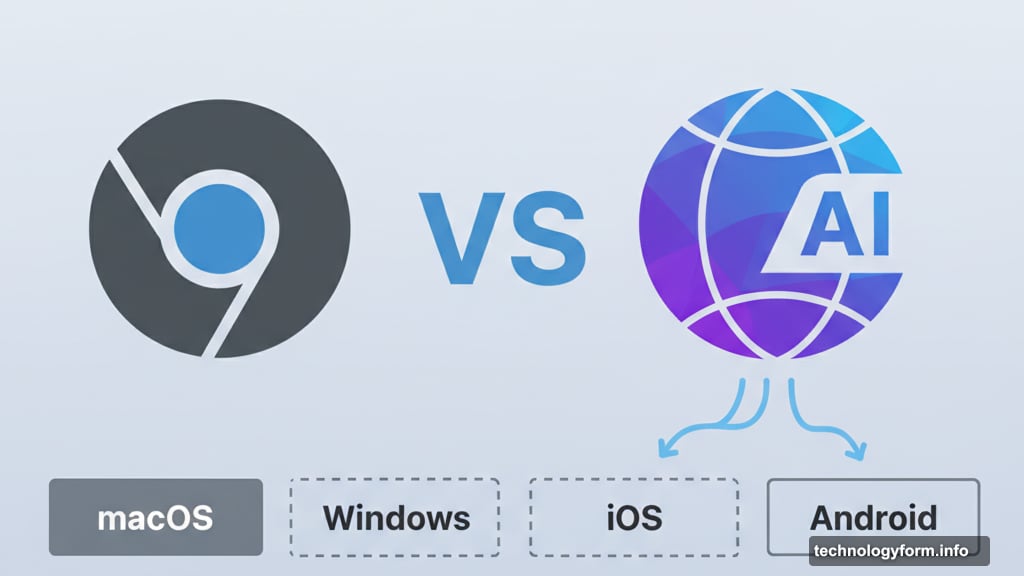
Atlas launches today on macOS, with Windows, iOS, and Android versions coming soon. However, its most powerful feature – agent mode – only works for ChatGPT Plus and Pro subscribers right now.
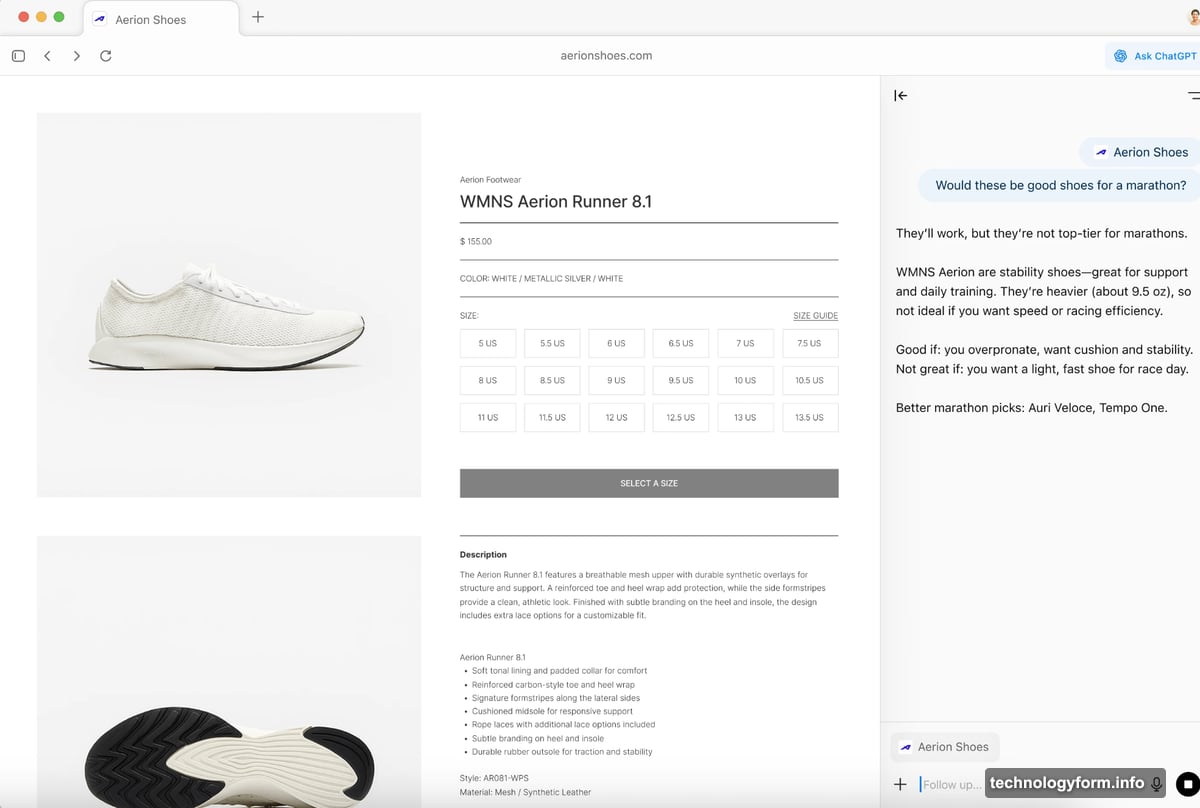
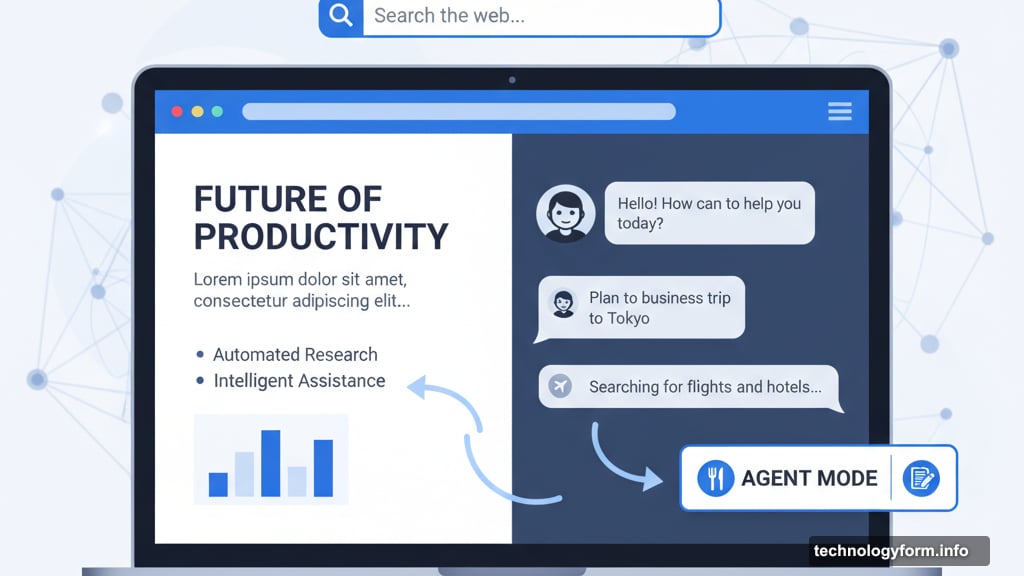
Agent mode lets ChatGPT take actions for you. Book restaurant reservations. Purchase flights. Edit documents while you browse. Think of it as having an assistant that lives inside your browser and can actually do stuff.
The browser remembers your preferences too. OpenAI calls this “memory,” and it makes Atlas more personalized over time. Plus, you can view and manage these memories in settings if you want control over what the browser remembers about you.
Split-screen mode stands out as particularly clever. Click any link from a search result, and Atlas shows both the webpage and your ChatGPT conversation side-by-side. The AI companion stays visible at all times, ready to help. But if that feels cluttered, you can disable it.
The Agent Features That Set It Apart
OpenAI didn’t build this overnight. Atlas builds on previous experiments like Operator, an early tool that let ChatGPT control a computer on your behalf. Then came ChatGPT Agent, designed to handle complex tasks and shopping (though with mixed results).
Atlas represents the next evolution. According to Adam Fry, the product lead for ChatGPT Search, the browser aims to fundamentally change how people use the internet. Instead of searching, clicking, reading, and then doing tasks manually, you can ask ChatGPT to handle everything.
The livestream demo showed employees selecting text from an email and clicking a button to have ChatGPT rewrite it directly in-line. They call this “cursor chat.” The browser can also summarize entire webpages instantly.
“The way that we hope people will use the internet in the future… the chat experience in a web browser can be a great analog,” CEO Sam Altman said during the announcement.
Browser Wars Just Got Intense
OpenAI isn’t the only company betting on AI browsers. The competition heated up fast this year.
Perplexity launched Comet over the summer. Instead of traditional Google Search results, it offers an AI “answer engine” with curated links and generated answers. Comet can scan open tabs, summarize videos, clean up email inboxes, and make Amazon purchases.
Then Google struck back in September. The company announced plans to embed Gemini AI deeper into Chrome. Soon, Gemini will handle tedious tasks like grocery shopping, appointment scheduling, and restaurant bookings. Google hasn’t set a launch date yet, but the message was clear: Chrome isn’t giving up without a fight.
OpenAI has been building toward this moment since July 2024, when it announced SearchGPT. That prototype laid the groundwork for today’s Atlas launch.
The Team Behind Atlas
The livestream featured an impressive roster beyond Altman. Ben Goodger, who helped develop both Google Chrome and Mozilla Firefox in previous roles, worked on Atlas. So did Justin Rushing, formerly at Apple, and several OpenAI engineers specializing in post-training research, interface design, and search products.
That pedigree matters. These aren’t rookies building their first browser. They’re industry veterans who know exactly what frustrates users about current options.
“This is just a great browser all-around – it’s smooth, it’s quick, it’s really nice to use,” Altman said during the demo.
Privacy and Control Features
OpenAI clearly anticipated privacy concerns. Atlas includes incognito windows, just like traditional browsers. Users can also review and delete the browser’s memories at any time through settings.
The split-screen companion mode raises interesting questions though. Having ChatGPT watch everything you browse could feel intrusive to some users. But OpenAI designed the feature to be toggleable, giving users control over when AI assistance appears.
Still, the memory feature means Atlas tracks your habits, preferences, and browsing patterns to improve personalization. That’s standard for modern AI tools, but it’s worth considering what data you’re comfortable sharing.
What This Means for Google
Google should feel nervous. Chrome captured over 60% of the browser market by being fast, simple, and everywhere. But it hasn’t fundamentally changed how people browse in years.
Atlas offers something genuinely different. Instead of just displaying webpages, it actively helps you accomplish tasks. Instead of searching for information, you can ask questions and get direct answers with sources.
However, Google has advantages. Chrome integrates deeply with Google Search, Gmail, Drive, and the entire Google ecosystem. Millions of people rely on Chrome extensions and bookmarks. Switching browsers requires effort.
OpenAI needs to make Atlas significantly better to convince people to change their habits. The agent features could provide that edge, but only if they work reliably.
The Bigger AI Battle
This browser launch represents more than just OpenAI versus Google. It reflects a broader shift in how AI companies think about user interfaces.
Traditional search engines show you links. You click through, read, and synthesize information yourself. AI-powered tools aim to do that work for you, presenting answers directly.
But that model threatens Google’s ad business, which relies on people clicking through search results. If ChatGPT Atlas answers questions directly, users might never visit the websites where Google displays ads.
The stakes are enormous. Google generates most of its revenue from advertising tied to search. OpenAI doesn’t have the same business model constraints. It can reimagine web browsing without worrying about protecting ad dollars.
Early Access and Rollout
Right now, Atlas is only fully functional on macOS. Windows, iOS, and Android users have to wait, though OpenAI says those versions are coming soon.
The agent mode limitation to Plus and Pro subscribers makes sense. OpenAI wants to control the rollout and gather feedback before opening it to everyone. Plus, limiting access to paying users helps manage server load while the company scales infrastructure.
Still, that limitation dampens the initial impact. Free ChatGPT users can browse with Atlas, but they’ll miss out on the most compelling features that differentiate it from Chrome or Firefox.
What Users Should Watch For
Atlas launches with big promises. Whether it delivers depends on execution.
Browser performance matters. If Atlas feels sluggish compared to Chrome, users won’t stick around regardless of AI features. The team emphasized speed during the livestream, but real-world testing will tell the full story.
Agent mode reliability is crucial too. If ChatGPT makes mistakes when booking flights or reservations, users will lose trust fast. Previous AI agents have struggled with complex tasks, so OpenAI needs to prove Atlas can handle them consistently.
Finally, privacy practices will face intense scrutiny. AI browsers collect extensive data to personalize experiences. OpenAI must be transparent about what information Atlas stores and how it uses that data.
The browser wars just got a lot more interesting. Chrome dominated for years by being fast and simple. Now OpenAI is betting that people want something smarter – a browser that doesn’t just display information but actively helps you use it.
Whether that vision resonates depends on execution. Atlas needs to work smoothly, respect privacy, and provide genuinely useful AI assistance. If it does, Chrome might finally face serious competition. If it doesn’t, Atlas becomes another ambitious AI experiment that didn’t quite deliver.
Either way, the way we browse the internet is about to change dramatically.