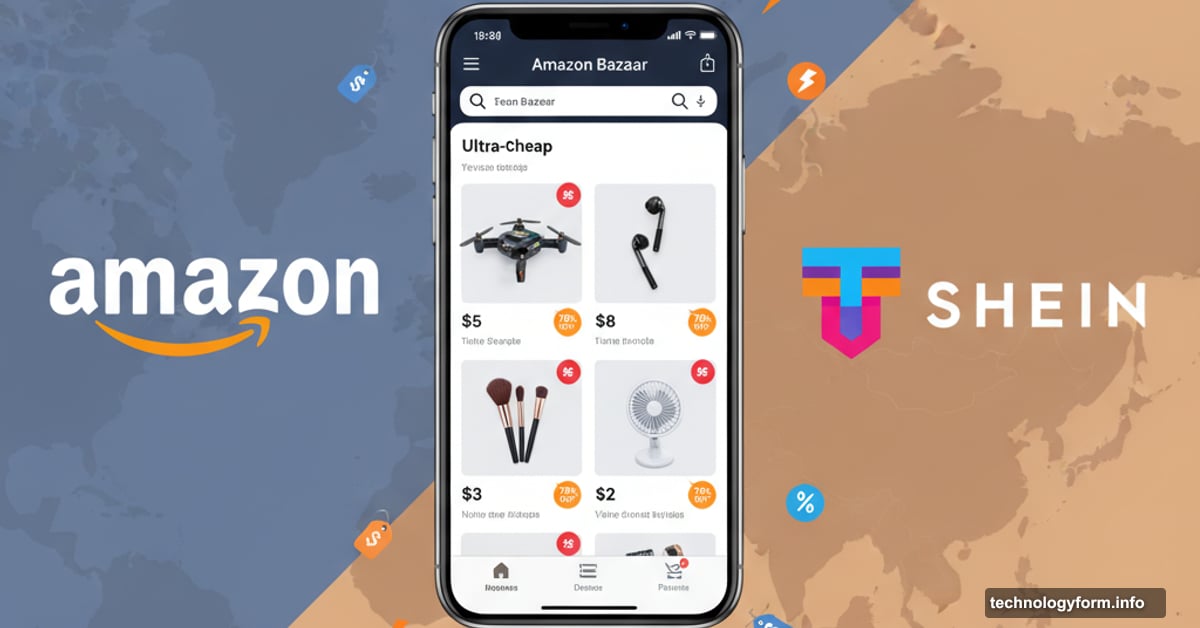
Amazon Just Launched a Standalone Budget Shopping App to Take on Temu
Amazon isn’t playing around anymore. The e-commerce giant just dropped a standalone app called Amazon Bazaar, targeting markets where Temu and Shein have been cleaning up.
Most products cost under $10. Some go as low as $2. Plus, Amazon’s betting that shoppers in Asia, Africa, and Latin America want ultra-cheap goods without the main Amazon app’s clutter.
But here’s where it gets messy. Amazon already runs a similar service called Amazon Haul in the U.S. and Europe. Now Bazaar launches as a separate app in 14 markets. So Amazon essentially runs two discount shopping platforms with different names doing nearly identical things.
Why Amazon Needs This Right Now
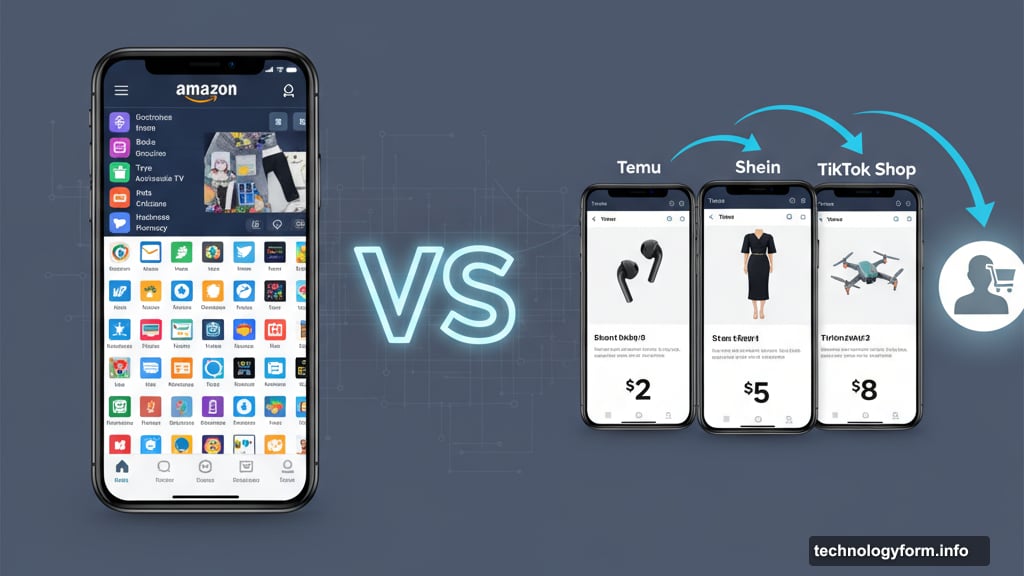
Chinese shopping apps crushed it over the past few years. Temu, Shein, and TikTok Shop captured younger buyers who prioritize cheap prices over fast shipping.
Amazon noticed. Their response? Launch Haul last November as a Temu competitor inside the main app. That worked okay in wealthy markets like the U.S. and Germany.
However, emerging markets needed a different approach. Local shoppers there often have less disposable income. They also prefer simpler, focused shopping experiences rather than Amazon’s everything-store model.
So Amazon split the difference. Bazaar becomes the standalone budget app for price-sensitive markets. Haul stays embedded in the main app for established Amazon customers in wealthier countries.
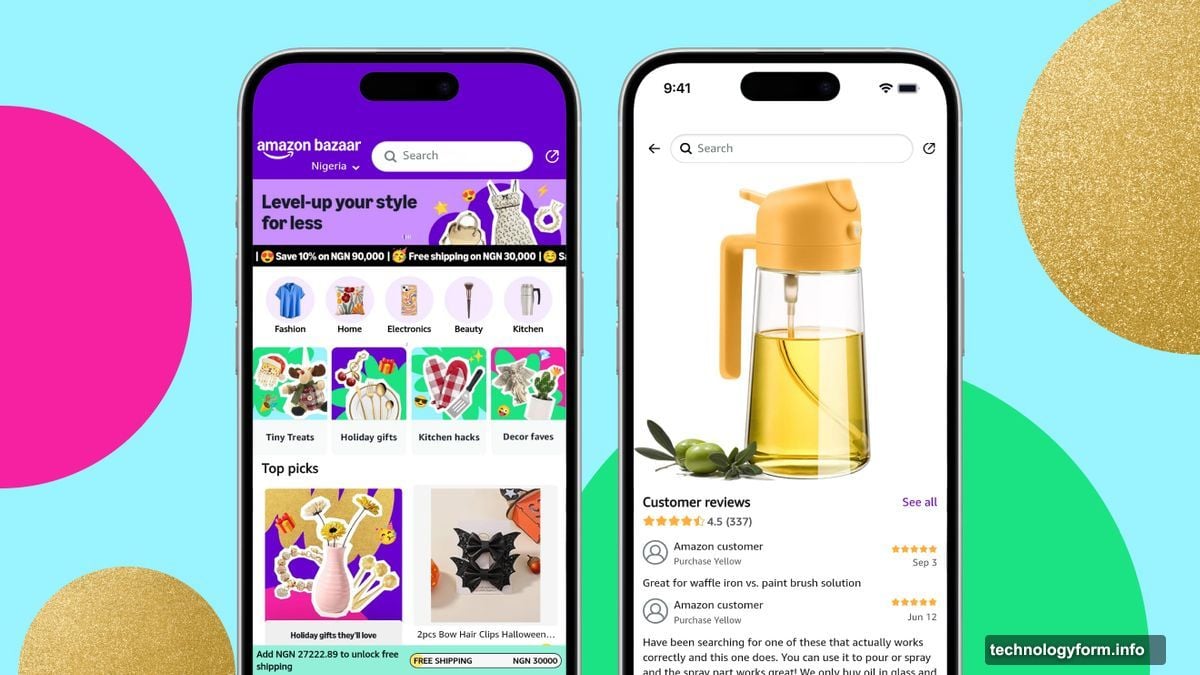
Markets Getting Bazaar Access Now
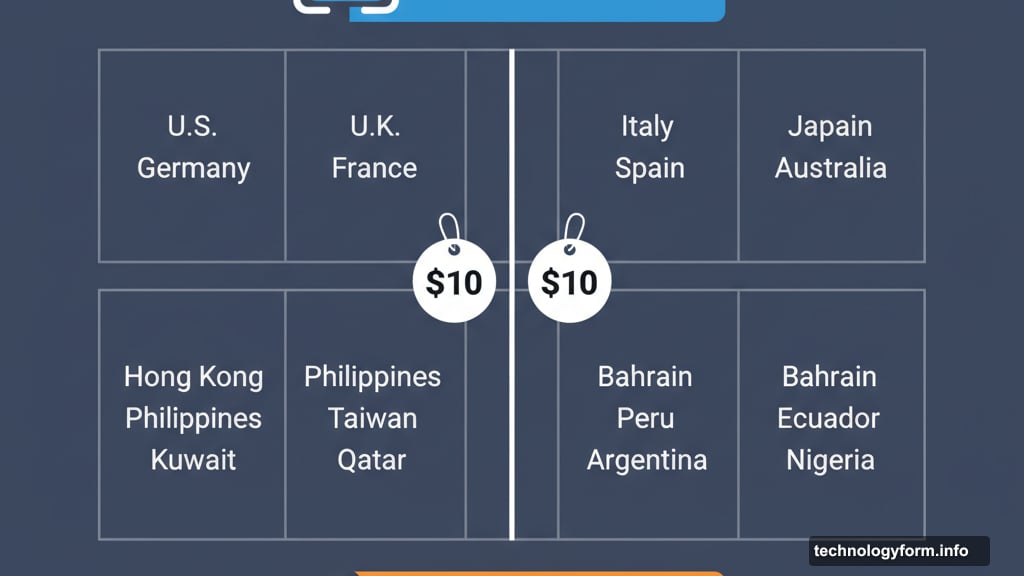
The app rolled out Friday across 14 countries. That includes Hong Kong, the Philippines, Taiwan, and several Middle Eastern nations like Kuwait, Qatar, and Bahrain.
Latin America gets coverage too. Peru, Ecuador, Argentina, Costa Rica, the Dominican Republic, and Jamaica all have access. Nigeria represents Amazon’s African expansion.
Meanwhile, Amazon promises more markets soon. But they’re not saying which ones or when. Typical Amazon strategy—test, measure, expand carefully.
Confusing Branding Creates Headaches
Amazon runs both Haul and Bazaar. Sometimes they use both names in different markets for the same service. Mexico, Saudi Arabia, UAE, and India already had “Bazaar” inside the main Amazon app.
Now the standalone Bazaar app launches elsewhere. But Haul continues operating in the U.S., U.K., Germany, France, Italy, Spain, Japan, and Australia.
Amazon claims different names “resonate with local language preferences and cultures.” That’s corporate speak for “we tested both names and found regional preferences.” Fair enough. But it makes explaining Amazon’s discount strategy incredibly confusing.
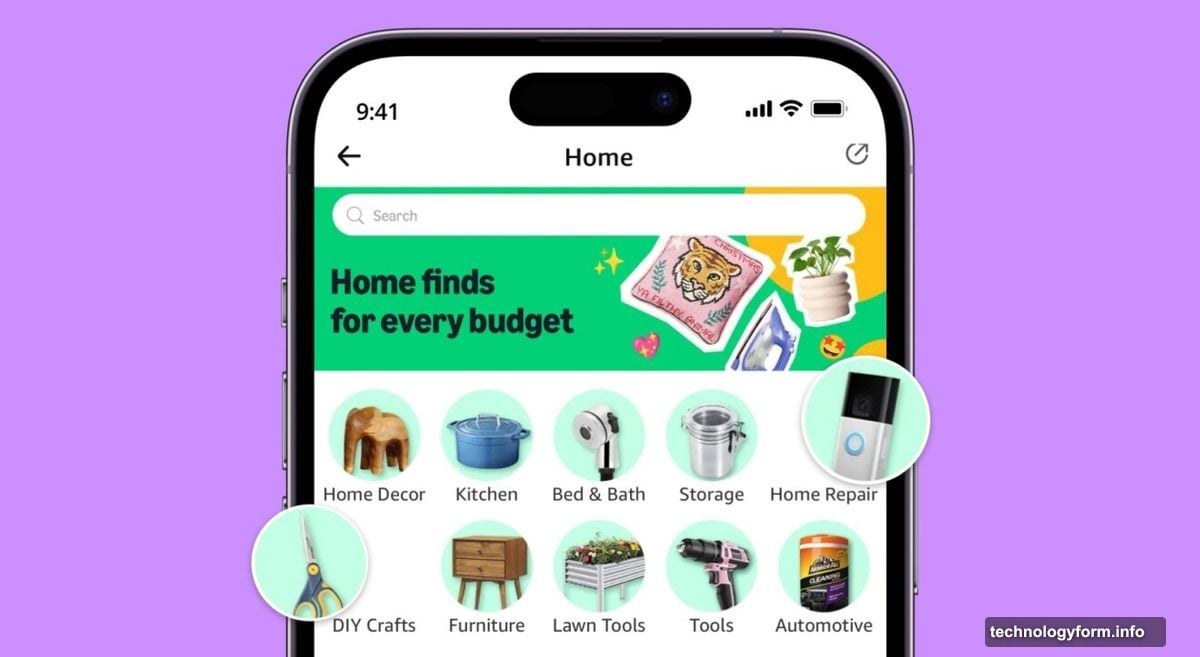
Here’s the simple version. If you’re in wealthy markets, use Haul inside the Amazon app. If you’re in emerging markets, download the Bazaar standalone app. Both sell cheap stuff from mostly Chinese suppliers.
What Bazaar Actually Offers
The app features “hundreds of thousands” of products under $10. Categories include fashion, home goods, lifestyle products, and electronics.
Product pages look familiar. Customer reviews, star ratings, and photos work exactly like main Amazon. You use the same Amazon login credentials too.
Payment accepts Visa, Mastercard, and American Express. Orders need to hit a minimum purchase amount for free shipping, which varies by market. Smaller orders pay standard delivery fees.
Shipping takes roughly two weeks. Returns stay free within 15 days of receipt. Amazon also provides multilingual customer support in six languages: English, Spanish, French, Portuguese, German, and Traditional Chinese.
Features Borrowed from Chinese Apps
Amazon clearly studied Temu’s playbook. Bazaar includes social lucky draws and promotions—interactive features that Chinese shopping apps perfected.
New customers get 50% off their first delivery. That’s straight from the Temu growth strategy, which practically gives away first orders to hook users.
These gamification tactics work incredibly well in price-sensitive markets. They create urgency, encourage larger orders, and make shopping feel like entertainment rather than a chore.
The Real Competition Starts Now
Temu and Shein won’t surrender their market share easily. They’ve spent billions building brand recognition and logistics networks in these exact markets.
TikTok Shop adds another wrinkle. Social commerce—buying directly through social media—already dominates in Asia and increasingly gains traction in Latin America. Amazon’s traditional shopping app model might feel outdated compared to seamless TikTok integration.
However, Amazon brings serious advantages. Their existing logistics infrastructure, customer service reputation, and payment processing capabilities outclass Chinese competitors in most markets.
Plus, Amazon already has trust. Shoppers in these markets know the Amazon brand, even if they haven’t used it much. Temu and Shein still carry “unknown Chinese app” baggage despite massive advertising campaigns.
Why This Matters Beyond Amazon
This launch signals a major shift in global e-commerce strategy. Amazon historically focused on wealthy Western markets plus India. Bazaar represents aggressive expansion into emerging markets they previously ignored.
That forces Temu, Shein, and TikTok Shop to defend their home turf while also attacking Amazon in the U.S. and Europe. The budget shopping app wars just went global.
For consumers? More competition means better prices and service. For sellers? Another platform to navigate, with all the complexity that brings.
What Comes Next
Amazon will watch Bazaar metrics obsessively. If the standalone app model works, expect rollout to dozens more countries quickly. If not, Amazon might consolidate everything back into the main app or shut down underperforming markets.
The real test comes during holiday shopping seasons. Can Bazaar match Temu’s viral growth? Will customers abandon established apps for Amazon’s new offering?
One thing’s certain. Budget shopping apps aren’t going anywhere. The market’s too large, the margins too attractive, and customer demand too strong. Amazon joining the fight just makes it more interesting.
Whether they picked the right strategy with separate apps for separate markets remains to be seen. But at least they’re finally competing seriously instead of letting Chinese apps run the table.