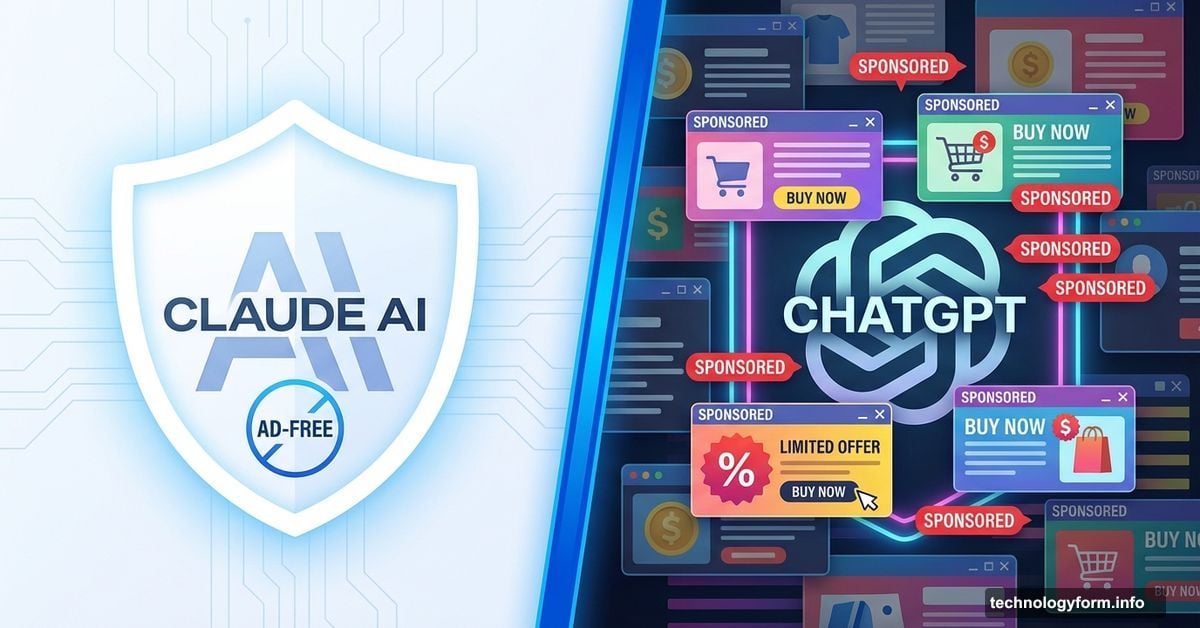
Claude Stays Ad-Free While ChatGPT Shows Sponsored Content
Anthropic just drew a line in the sand. Its AI chatbot Claude won’t show ads. Period.
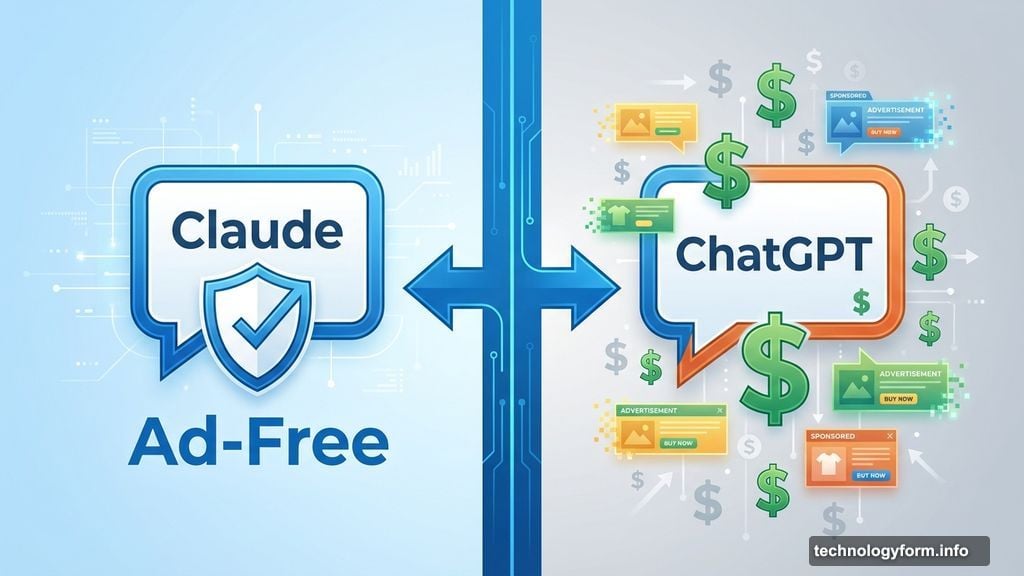
This matters because rival OpenAI recently started pushing ads to ChatGPT users. So now we have two competing visions for how AI assistants should work. One involves targeted advertising. The other doesn’t.
Let’s talk about why Anthropic made this call and what it means for users.
Why Ads Break AI Assistants
Anthropic’s reasoning makes sense when you think about how people actually use chatbots.
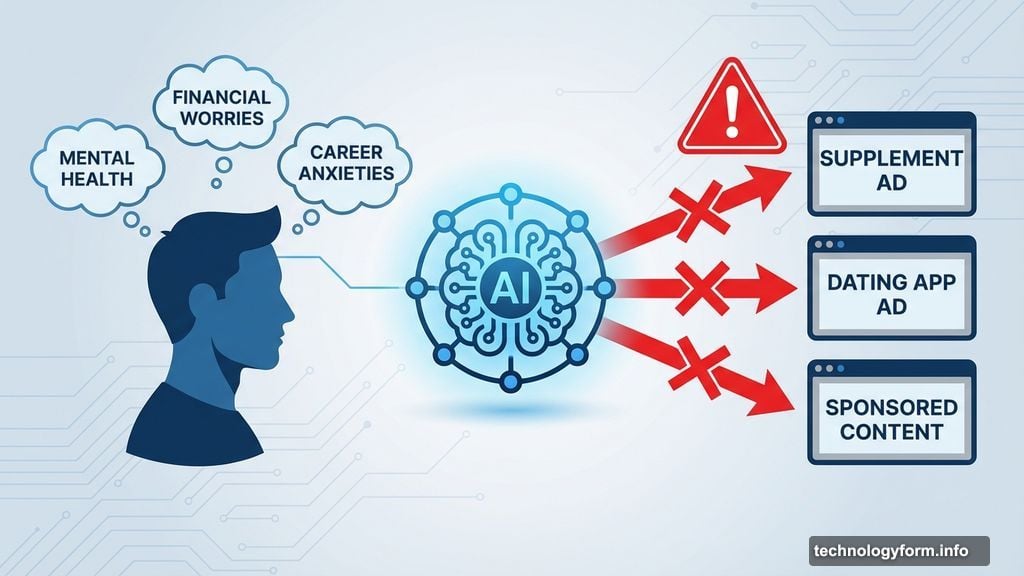
Users share deeply personal information with AI. Mental health struggles. Financial worries. Career anxieties. Then imagine getting ads based on those conversations.
Ask about depression symptoms? Here’s an ad for supplements. Discuss relationship problems? Dating app promotion appears. That’s not just annoying. It’s invasive and creepy.
Plus, many Claude conversations involve complex work. Software engineering tasks. Strategic planning. Problem-solving sessions. Ads would interrupt the flow and feel completely out of place.
Anthropic argues that advertising conflicts with the Claude Constitution. That’s their framework for how the AI should behave. Being “genuinely helpful” sits at the core. Ads work against that principle.
The Financial Pressure Is Real
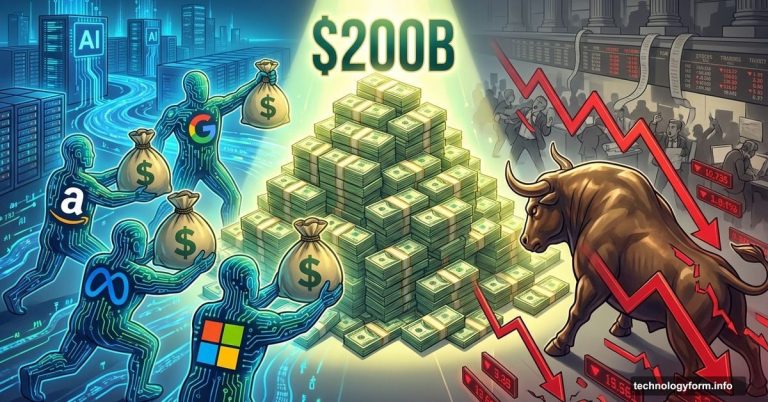
Here’s the uncomfortable truth. AI companies burn through cash at alarming rates.
Training models costs millions. Running inference costs millions more. Meanwhile, revenue often disappoints. So ads offer an easy path to recoup investments.
That’s likely why OpenAI embraced advertising despite user backlash. The financial math probably forced their hand.
But Anthropic insists it won’t follow that path. At least not yet. When asked about future financial pressures that might change this stance, the company pointed back to today’s announcement. No additional details provided.
That’s not exactly reassuring. It sounds like “we mean it for now.”
Commerce Without Ads
Anthropic isn’t abandoning monetization entirely. Instead, it’s betting on commerce-based features.
The company plans to build tools for product comparison and shopping. Users could find items, compare prices, or connect with businesses. All without traditional advertising.
This approach makes more sense for AI assistants. Help users accomplish tasks rather than interrupt them with sponsored content. The assistant becomes a tool instead of an ad platform.
Whether this generates enough revenue remains unclear. But it preserves the user experience that makes AI valuable in the first place.
ChatGPT’s Ad Experiment
OpenAI’s decision to add ads created immediate backlash. Users complained about seeing promotions during conversations. The ads felt intrusive and broke concentration.
Some defended the move. Free services need funding somehow. Fair point. But OpenAI also charges for ChatGPT Plus and enterprise plans. So they’re already monetizing multiple ways.
The ad strategy suggests OpenAI needs more cash flow than subscriptions provide. That’s concerning for an industry that promised to revolutionize everything.
Now Anthropic positions itself as the alternative. The AI company that respects users enough to skip ads. At least for now.
What This Means for Users
If you value ad-free AI conversations, Claude just became more attractive.
ChatGPT users face interruptions and targeted promotions. Claude users don’t. That’s a clear differentiator in an increasingly crowded market.
But remember the financial reality. AI costs money to run. Lots of money. Every company needs sustainable revenue.
Anthropic’s commitment to staying ad-free only works if alternative revenue sources succeed. Commerce features need to generate serious income. Otherwise, financial pressure might force a policy reversal.
The Bigger Question
This debate reveals something important about AI’s future.
Do we want assistants optimized for helpfulness? Or ones optimized for advertising revenue? Those goals often conflict.
Ads require collecting data and targeting users. That changes how the AI behaves. It introduces incentives beyond being useful.
Anthropic recognizes this tension. The company admits its understanding of how models translate goals into behaviors “is still developing.” Adding advertising incentives could produce unpredictable results.
That’s a refreshingly honest admission. Most companies would downplay those risks.
Anthropic chose the harder path. Build sustainable revenue without compromising the core product. That’s admirable. Whether it’s financially viable remains to be seen.
For now, Claude users can enjoy conversations without sponsored interruptions. How long that lasts depends on whether Anthropic finds alternative ways to pay the bills.