Snowflake Dropped $200M on OpenAI After Dropping $200M on Anthropic. Here’s Why
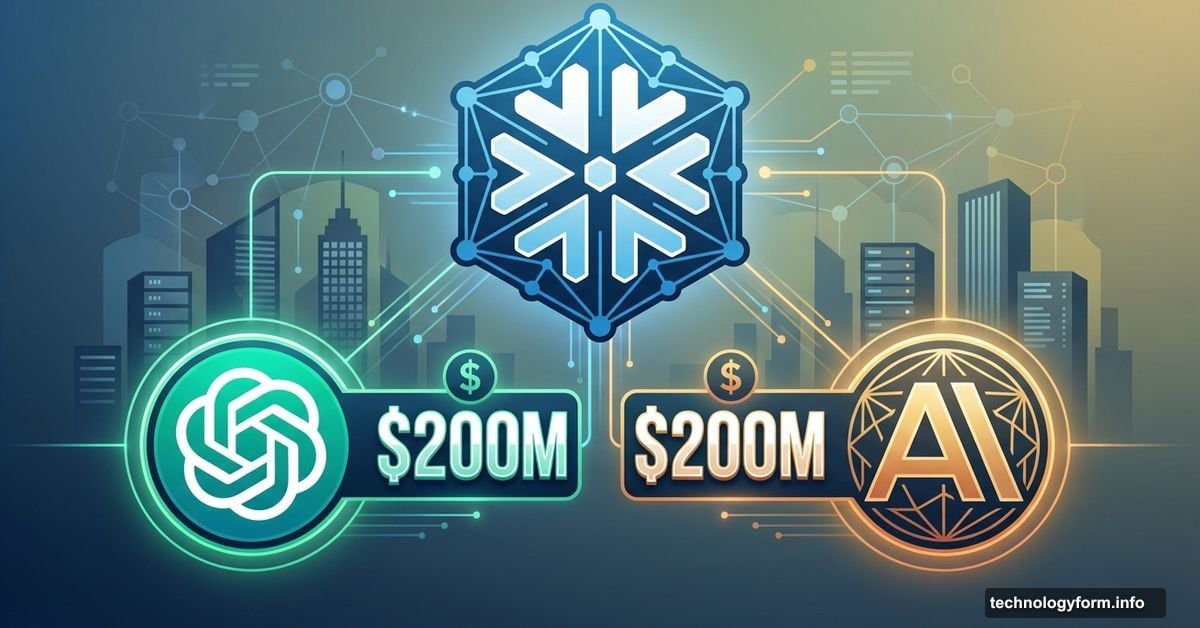
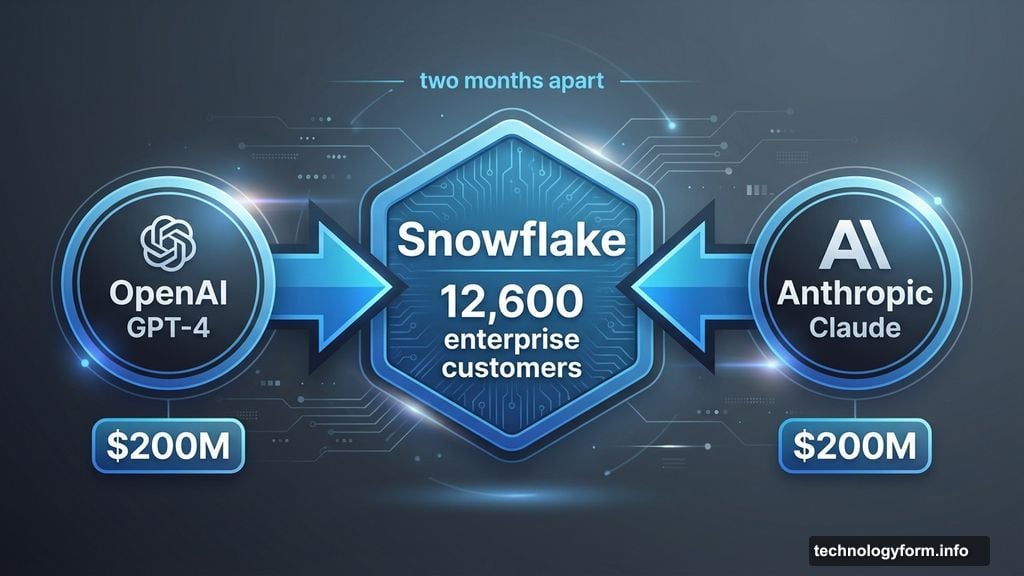
Snowflake just signed a massive AI deal with OpenAI. The twist? They inked an identical deal with Anthropic two months ago.
Both partnerships carry the same $200 million price tag. Both promise to deliver cutting-edge AI models to Snowflake’s 12,600 enterprise customers. And both announcements featured nearly identical quotes from CEO Sridhar Ramaswamy about “transforming business with confidence.”
So what’s really happening here? Turns out, this double-dipping strategy reveals exactly where enterprise AI is headed.
Enterprise Companies Are Hedging Their Bets
Snowflake isn’t playing favorites. They’re deliberately partnering with multiple AI labs because no single model dominates every use case.
Here’s the reality. OpenAI’s GPT-4 excels at certain tasks. Anthropic’s Claude shines at others. Plus, each model comes with different strengths around safety, reasoning, and specialized knowledge.
Baris Gultekin, Snowflake’s vice president of AI, confirmed this strategy outright. “Enterprises need choice, and we do not believe in locking customers into a single provider,” he told TechCrunch.
That’s not corporate speak. That’s smart business. Because forcing customers onto one model means limiting what they can build.
ServiceNow Made the Same Move
Snowflake isn’t alone in this strategy. Workflow automation giant ServiceNow announced multi-year deals with both OpenAI and Anthropic in January.
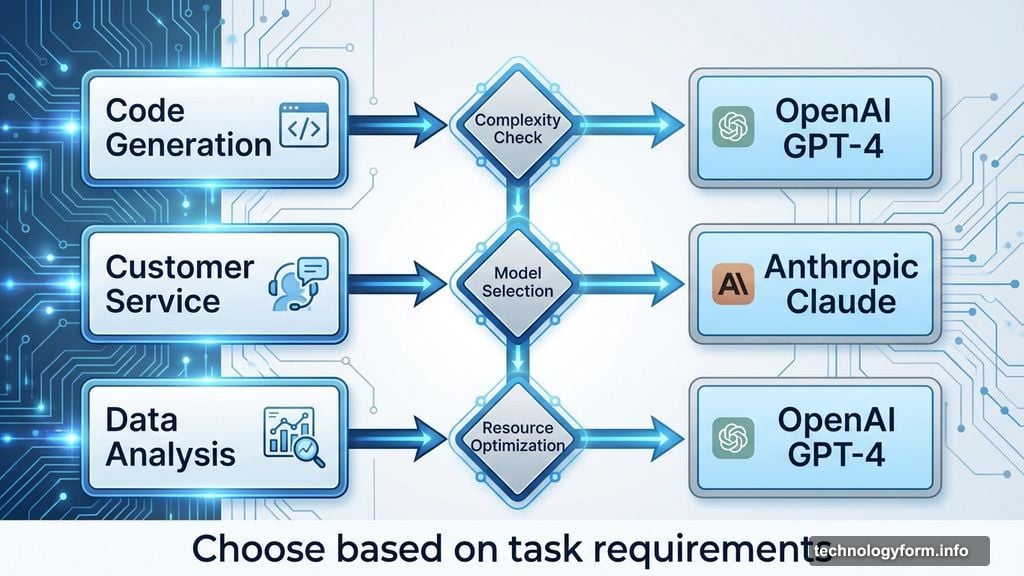
ServiceNow president Amit Zavery explained the logic clearly. Different models work better for different tasks. So they wanted customers and employees to choose based on what they needed at that moment.
Think about it. One AI model might generate better code. Another handles customer service queries more effectively. A third excels at analyzing complex data sets.
Locking into a single provider would be like subscribing to only Uber when Lyft sometimes offers better pricing or faster pickups. Most people use both apps and switch based on the situation.
Nobody Knows Who’s Actually Winning
Here’s where things get messy. Different data sources paint completely different pictures of who leads enterprise AI adoption.
A Menlo Ventures survey from late 2025 showed Anthropic dominating the market. Makes sense, right? Except Andreessen Horowitz released a report last week claiming OpenAI leads the pack.
Notice the pattern? Venture firms highlight their own portfolio companies as winners. Shocking, I know.
This conflicting data makes it nearly impossible to track real enterprise AI usage trends. But it does tell us one thing. The market is fragmented enough that multiple players can claim leadership depending on how you measure success.
Plus, here’s the kicker. Employees already use whatever AI model they prefer, regardless of company contracts. IT departments can mandate all the partnerships they want. But workers will still sneak Claude or ChatGPT into their workflow based on personal preference.
The Ride-Share Model for Enterprise AI
Enterprise AI might end up looking a lot like ride-sharing. Multiple winners with heavily overlapping customer bases.
Most people have both Uber and Lyft installed. They check both apps before requesting a ride. Whichever offers a better price or faster pickup wins that transaction.
Enterprise AI could follow the same pattern. Companies partner with multiple AI labs. Employees or systems choose the best model for each specific task. No single winner emerges, but several companies capture massive value.
This scenario makes sense given current market dynamics. Different models genuinely excel at different tasks. Enterprises need flexibility. And switching costs between AI models remain relatively low.
Or Maybe One Company Will Dominate
Then again, maybe someone will break away from the pack. Tech markets often consolidate around one or two dominant players despite early fragmentation.
Remember the browser wars? Or cloud computing’s early days when dozens of providers competed? Eventually, clear winners emerged.
But right now, nobody can confidently predict which AI lab will come out on top. OpenAI has brand recognition and Microsoft backing. Anthropic has safety-focused positioning and strong technical chops. Google’s Gemini has search integration. Meta’s Llama is open source.
Each holds legitimate advantages. And enterprises are smart to bet on multiple horses until the race shakes out.
What This Means for AI Companies
These overlapping enterprise deals create interesting economics for AI labs. They’re booking huge contracts while simultaneously competing for the same customers’ usage.
That’s great for AI labs in the short term. Revenue flows from multiple enterprise partnerships. But long term? It could pressure margins as enterprises comparison shop and negotiate better rates.
Plus, these partnerships come with serious obligations. Snowflake expects reliable performance, security, and compliance from both OpenAI and Anthropic. Any major outage or security incident could shift customer preference toward the more reliable option.
So AI labs need to deliver consistently excellent service while knowing their enterprise customers have backup options ready.
Enterprises Will Keep Testing
Why? Because they’re still figuring out where AI delivers real value. These partnerships let them experiment across different models and use cases without betting everything on one technology.
Why? Because they’re still figuring out where AI delivers real value. These partnerships let them experiment across different models and use cases without betting everything on one technology.
Smart strategy. But expensive. Those $200 million deals add up fast when you’re spreading them across multiple AI partners.
The real question is how long enterprises will maintain this multi-vendor approach. Eventually, usage patterns will emerge. Some models will prove more valuable than others for specific industries or use cases.
When that clarity arrives, we’ll see consolidation. But until then, AI labs should expect continued competition for overlapping enterprise customers.
Your move, Google.