AI Morning Routines Actually Work. Here’s How to Build Yours
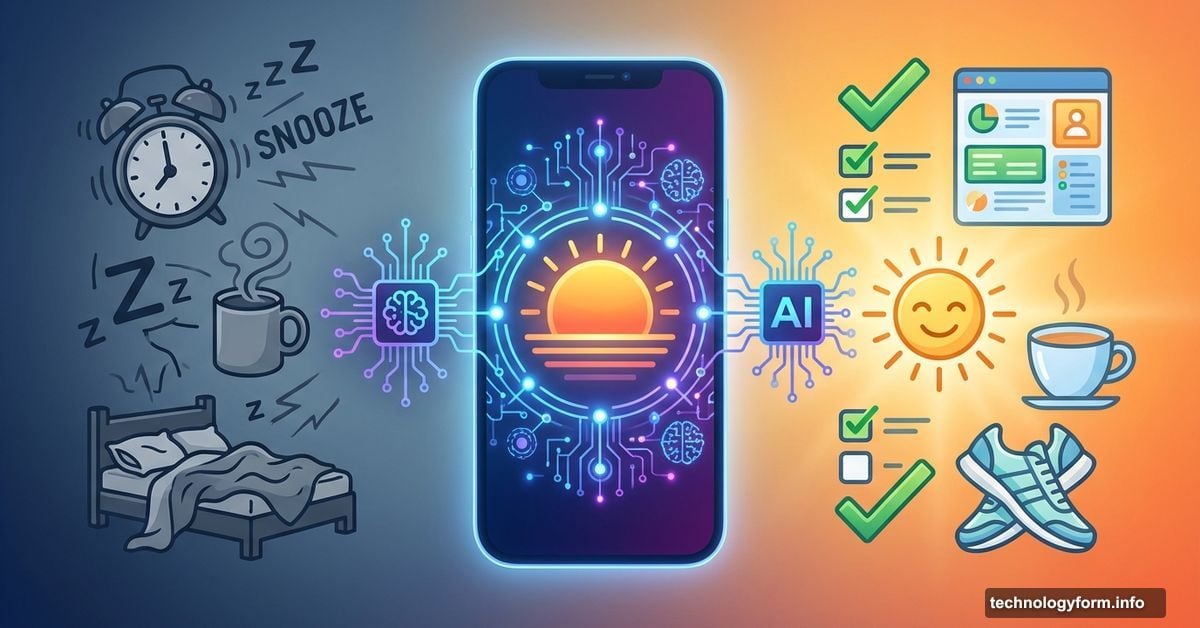
Morning routines suck for most people. The alarm goes off. You hit snooze three times. Then you stumble through the same tired routine hoping caffeine kicks in before your first meeting.
But AI tools can actually fix this. Not with generic advice like “drink water” or “make your bed.” With personalized strategies based on your specific life and quirks.
I tested this by giving AI the most ridiculous parameters possible. What if I lived like Lara Croft? Waking up in random locations, needing to be alert immediately, possibly dodging danger before breakfast. The goal was simple: if AI could handle that level of weirdness, it could help anyone optimize their mornings.
Turns out it worked surprisingly well.
Your Bedroom Setup Matters More Than You Think
Most people ignore their sleep environment. Then they wonder why mornings feel brutal.
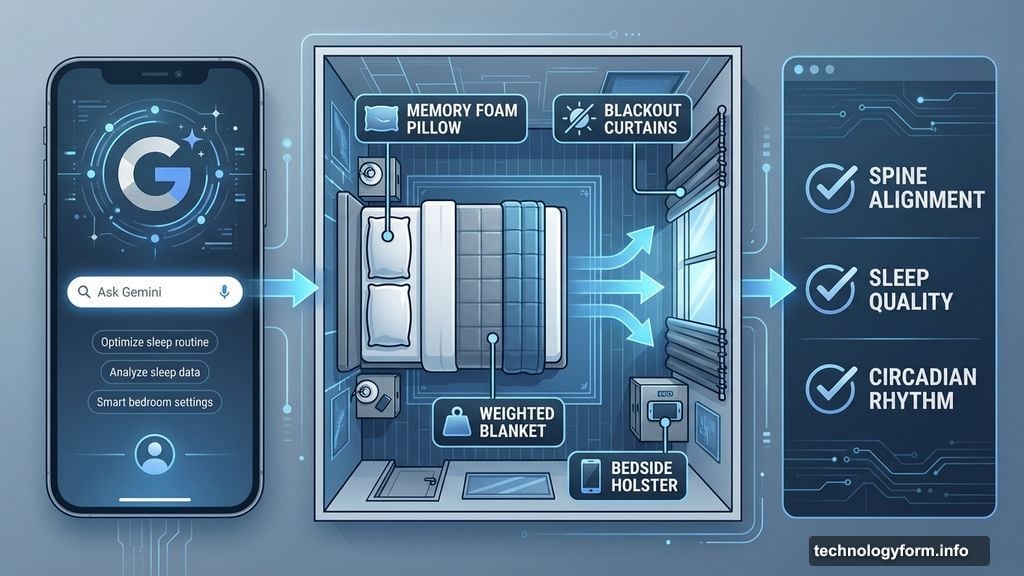
AI systems like Google’s Gemini can analyze your specific needs and recommend everything from bedding to lighting. I gave it absurdly specific requirements. Side sleeper. Light sleeper. Needs to wake up ready for action. Oh, and keeps a pistol under the pillow. (Don’t try this at home.)
Gemini didn’t judge. Instead, it explained how a pistol disrupts spine alignment. Then it suggested alternatives like bedside holsters. Plus weighted blankets for better sleep quality. Memory foam pillows to prevent neck pain. Blackout curtains for deeper rest.
Here’s what surprised me. The recommendations weren’t generic. Gemini actually considered how each element connects. Better sleep quality means easier mornings. Proper spine alignment prevents that groggy, achy feeling. Strategic lighting helps your circadian rhythm.
So yes, you can ask AI about your weird sleeping habits. It’ll give you practical solutions without the judgment.
Morning Hygiene Gets Strategic
Everyone knows the basics. Brush teeth. Shower. Get dressed. But AI can optimize even boring routines.
I asked Gemini to design a morning routine for someone who might wake up in unpredictable locations. Someone who needs to be alert and mobile fast. Again, total Lara Croft energy.
The results focused on efficiency without sacrificing effectiveness. Quick face wash with specific product types. Minimal makeup that stays put during physical activity. Hair solutions that work without mirrors or electricity. Even recommendations for dealing with “grit removal” after sleeping outdoors.
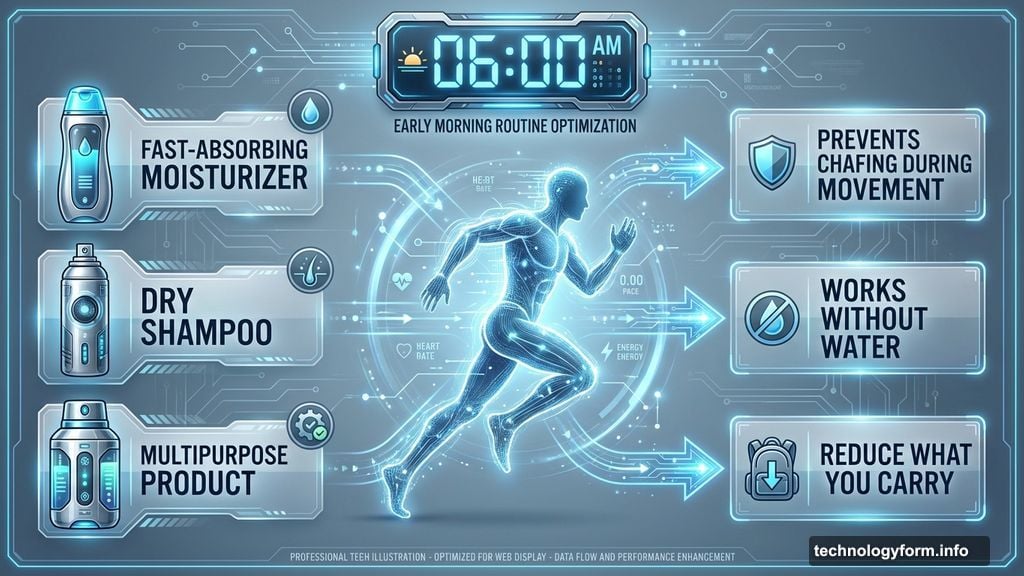
But here’s the real insight. AI didn’t just list steps. It explained why each element matters. Fast-absorbing moisturizer prevents chafing during movement. Dry shampoo works without water. Multipurpose products reduce what you need to carry.
You can apply this thinking to normal life too. Tell AI about your morning time constraints. Your skin type. Whether you exercise before work. It’ll build a streamlined routine that actually fits your schedule.
Setting the Right Mood Changes Everything
Waking up in a cold, dark room tanks your energy immediately. Your environment shapes your mental state more than most people realize.
Smart lighting helps here. Companies like Lepro make AI-enabled bulbs that adjust automatically. Set them to gradually brighten before your alarm. Program warm tones for mornings, cooler light for focus later.
But AI can do more than control lights. I asked Gemini to generate motivational images for someone facing dangerous situations daily. Corporate raiders included.
It created surprisingly effective visuals. Ancient temples. Determined adventurers. Inspirational quotes overlaid on dramatic landscapes. Sure, the AI-generated text was gibberish. (“My resolve is unrekable” isn’t a real word.) But the overall vibe worked.
You can do this too. Ask AI to create personalized morning motivation. Images of your goals. Quotes that resonate. Scenes that energize you. Then set them as your phone wallpaper or display them on a smart screen.
Plus, AI can suggest music playlists. Podcast episodes. News briefings. Whatever gets your brain engaged before that first cup of coffee.
Tailoring AI to Your Actual Life
The Lara Croft experiment proved something important. AI tools work best when you give them specific, even ridiculous parameters.
Don’t ask for “morning routine tips.” That gets you generic garbage you’ve read a thousand times. Instead, describe your real situation. Your struggles. Your constraints. Your weird habits that you think are too embarrassing to mention.
Maybe you work night shifts and need “morning” routines at 3 PM. Maybe you have chronic pain that makes standard advice useless. Maybe you live in a van and need solutions without running water.
AI doesn’t care. It’ll generate recommendations based on what you actually need. Not what a lifestyle influencer thinks you should want.
Here’s how to get useful results. Be specific about timing constraints. Mention your energy levels. Describe your environment. List any tools or resources you have access to. Explain what success looks like for your particular situation.
The more details you provide, the better AI’s suggestions become.
Where AI Still Fails
Let’s be honest. AI morning optimization has limits.
First, it can’t fix underlying sleep disorders. If you have insomnia or sleep apnea, you need a doctor, not a chatbot. AI suggestions help optimize what you’ve got. They don’t cure medical conditions.
Second, AI-generated images still look weird sometimes. That “unrekable” text problem? Everywhere. So use AI for inspiration and ideas. But don’t expect perfect execution on visual content yet.
Third, AI can’t predict your actual preferences. It might suggest meditation when you’d rather blast heavy metal. It recommends green smoothies when you need bacon and eggs. You still need to filter suggestions through your own judgment.
But here’s what AI does well. It generates options you wouldn’t think of yourself. It connects ideas in unexpected ways. It provides structure when you’re overwhelmed by possibilities.
Use it as a brainstorming partner. Not a decision maker.
The Real Power of AI Morning Optimization
Most people approach mornings reactively. Alarm rings. Crisis mode begins. Rush through the same routine hoping today goes better than yesterday.
AI flips this script. It helps you design mornings intentionally. Based on your goals. Your constraints. Your specific weird situation.
Whether you’re raiding tombs or just trying to answer emails without mainlining espresso, AI tools can help. They take your messy requirements and generate structured plans. Then you test, adjust, and refine until mornings actually work for you.
The key is treating AI as a creative tool, not an authority. Ask weird questions. Request ridiculous scenarios. Push the boundaries of what seems reasonable. That’s when you get actually useful insights instead of recycled conventional wisdom.
Your morning routine shapes your entire day. AI can help make those first hours less painful and more productive. Even if you’re not backflipping through ancient tombs before breakfast.