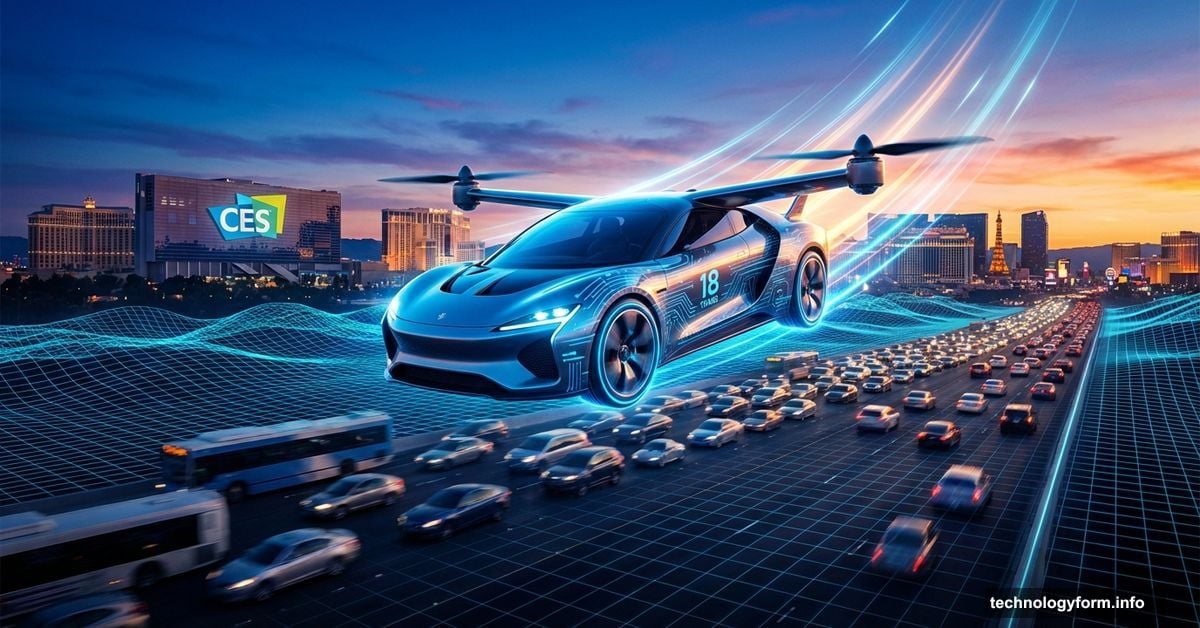
After 18 Years at CES, I Know What’s Coming: Flying Cars Are Finally Real
I’ve covered automotive tech at the Consumer Electronics Show since 2009. Back then, car tech meant aftermarket speakers and Garmin GPS units. Now we’re talking about actual flying vehicles and AI that predicts your needs before you speak.
CES 2026 will mark my 18th trip to Las Vegas for the world’s biggest tech show. Based on nearly two decades watching automotive trends emerge, I’m calling it now: this year brings the biggest leap yet in mobility technology.
The Flying Car Breakthrough Nobody Expected
Flying cars used to be vaporware. Pure concept art designed to generate headlines.
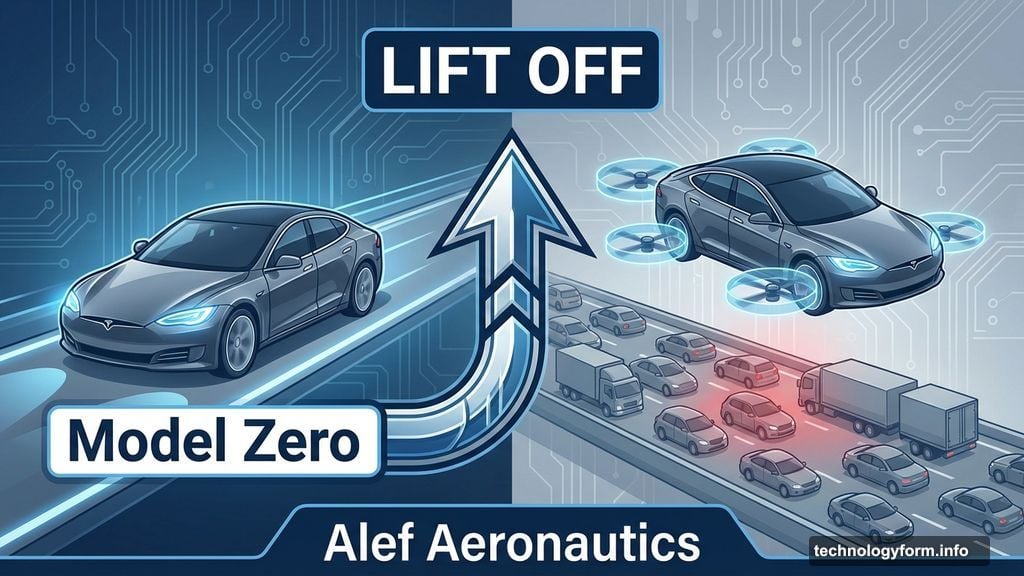
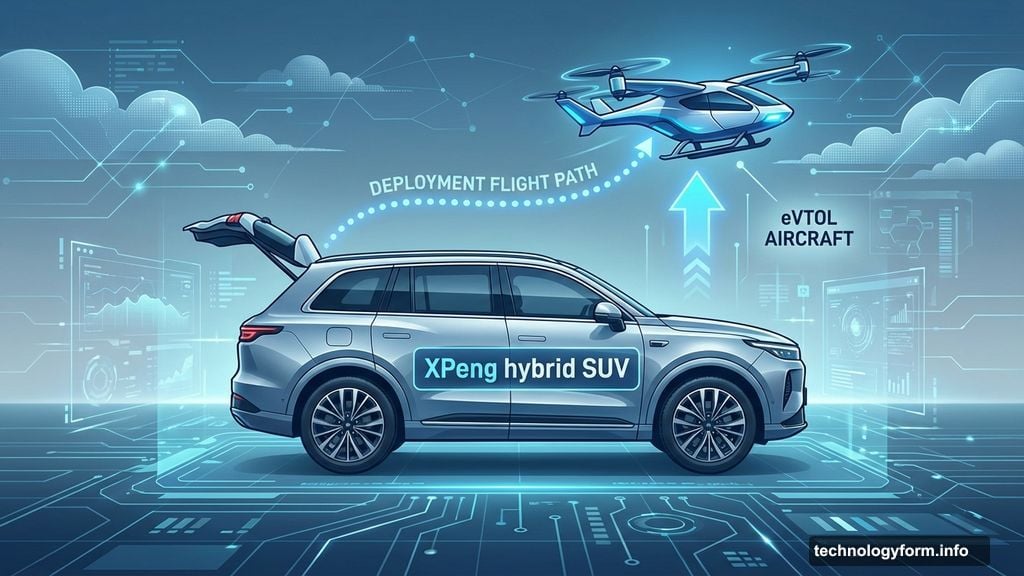
Not anymore. Last year, Alef Aeronautics actually demonstrated their Model Zero driving on roads, then lifting off to fly over traffic. Plus, XPeng showed a hybrid SUV that deploys a working electric aircraft from its trunk.
These aren’t renders or prototypes gathering dust. They’re functioning vehicles with pre-orders open.
However, most “flying cars” aren’t really cars yet. They’re either air taxis requiring pilots and air traffic control, or ultralight aircraft restricted from flying over cities. That’s not the Jetsons-style flying car most of us imagine.
Still, progress accelerated dramatically this year. Archer Aviation bought an entire airport in Los Angeles as their air taxi hub. Jetson released footage of their One eVTOL racing through the air. The infrastructure supporting urban air mobility is coming together fast.
What I Expect at CES 2026: Air Taxis Get Real
More eVTOL concepts will appear at CES 2026 than ever before. But I’m predicting something bigger: at least one company will announce an actual roadmap for public air taxi flights in major US cities.
The technology works. The vehicles exist. Now it’s about operations, infrastructure, and regulations. CES would be the perfect stage to announce partnerships with airlines, airports, or city governments.
Also watch for Chinese automakers like XPeng pushing true road-to-air vehicles. These companies face fewer regulatory hurdles and move faster than Western competitors.
The most exciting development won’t be another concept vehicle. It’ll be concrete plans that put regular people in flying taxis within 18-24 months.
AI in Cars Finally Does Something Useful
Conversational AI dominated CES 2025. Volkswagen brought ChatGPT to dashboards. Honda promised cars that become your best friend. Mercedes partnered with Google and Microsoft for voice assistants.
I tested Mercedes’ AI assistant on real roads after the show. It crushed every other voice command system I’ve used. Natural language processing actually worked without triggering frustration.
But most automotive AI still feels gimmicky. Voice assistants handle basic commands adequately. The revolutionary stuff remains future-tense.
That changes at CES 2026.
Automotive AI Goes Deeper Than Voice Commands
Expect conversational AI in more vehicles, obviously. Automakers will announce ChatGPT, Gemini, or custom LLMs coming to their lineups. Voice assistants are table stakes now.
However, the real innovation will be AI integrated throughout vehicle software, not just infotainment screens.
Imagine a car that uses machine learning to diagnose maintenance needs based on actual driving conditions rather than arbitrary mileage intervals. Or AI that optimizes battery charging patterns by learning your daily routine.
These applications deliver tangible value beyond “talk to your car like it’s Alexa.” Plus, they differentiate brands as voice assistants become commoditized.
Self-driving systems will show modest improvements. The hardware already works well – lidar, radar, cameras are mature technologies. Progress now comes from software refinement and the unglamorous work of regulations and infrastructure.
Autonomous Tech Shifts to Delivery Robots and Wild Mobility
Waymo will update their autonomous taxi rollout timeline. John Deere will showcase farming robots. Suppliers will demonstrate slightly better sensors and more powerful AI chips.
Honestly, autonomous passenger cars feel iterative at this point.
The exciting stuff happens outside traditional automotive. Think delivery robots, self-balancing motorcycles, electric go-karts, and concepts that move in ways we’ve never seen.

Remember Hyundai Mobis’ Mobion concept from CES 2024? That electric hatchback could rotate each wheel 90 degrees for lateral movement and effortless parallel parking. Or their walking vehicle that looked straight out of Star Wars.
That’s where innovation lives right now. Robotics and mobility concepts that completely rethink how vehicles move.
Why CES Still Matters for Automotive
Traditional automakers mostly stopped using CES for major vehicle debuts. Post-pandemic, they refocused on technology showcases rather than car reveals.
That shift opened space for startups, mobility companies, and aviation pioneers. The last five years brought explosive growth in automotive AI, EV innovation, robotics, and air mobility.
CES became less about cars and more about how we’ll move in the future.
After 18 years, stepping into that Las Vegas Convention Center still feels like glimpsing tomorrow. The 2026 show should deliver more concrete progress toward flying vehicles and thinking cars than we’ve ever seen.
Some predictions will miss. New surprises always emerge. But the trajectory is clear: flying cars and predictive AI aren’t science fiction anymore. They’re engineering problems being solved in real time.
Choose your mobility future carefully. Because it’s arriving faster than most people realize.