Vibe Coding Is Changing Everything. Here’s the Honest Truth About It
Software development used to mean one thing: you write code, computers run it. Simple enough. But suddenly that whole picture is shifting, and even seasoned developers are feeling the ground move beneath them.
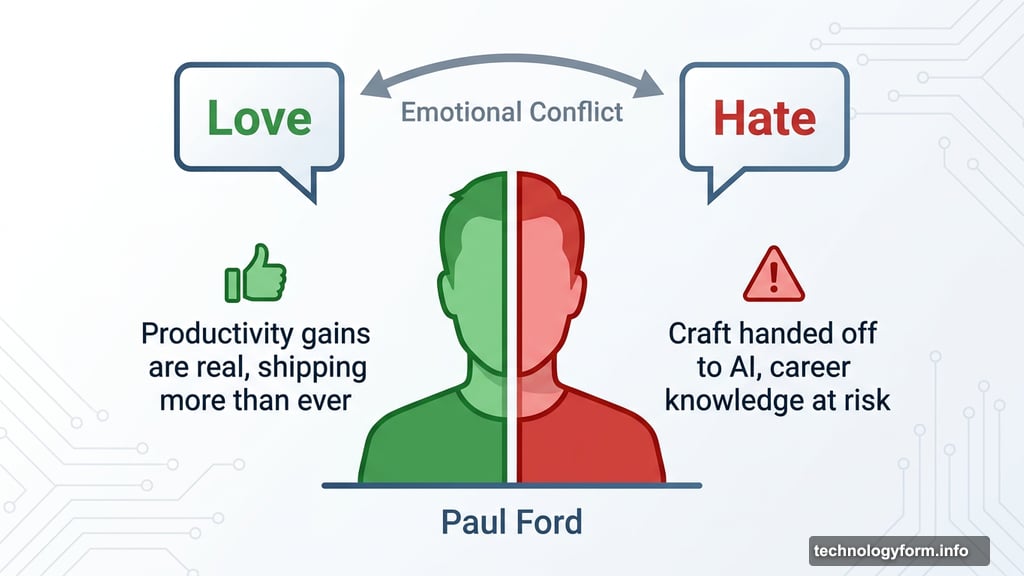
Everyone seems to be a coder now. Or at least they’re playing one with Claude Code open in a browser tab. And for the people who’ve been writing software professionally for years, the job itself looks surprisingly different these days. Less time actually typing code. More time managing AI agents and steering projects in the right direction.
So what does that actually mean for the software we build, and the humans who build it?
Paul Ford on Vibe Coding and Emotional Conflict
The latest episode of The Vergecast tackles this head-on with a genuinely fascinating guest. Paul Ford, a writer, entrepreneur, and longtime tech thinker, joins host David Pierce to talk through his own journey into vibe coding.
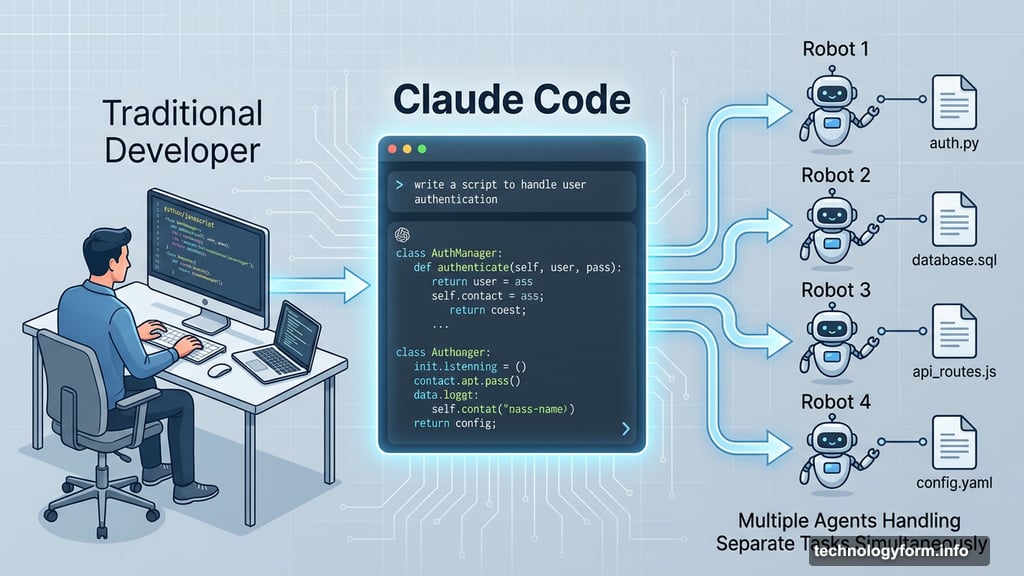
Ford’s experience is pretty telling. He’s building more than ever before. He’s solving interesting problems, taking on ambitious projects, and shipping things he couldn’t have shipped before. By almost every practical measure, AI coding tools are working for him.
But here’s the thing. He also feels a surprising amount of emotional conflict about the whole thing.
Can You Love and Hate AI at the Same Time?
Ford explains why he’s genuinely excited about the Claude Code-driven future of software development. The tools are powerful. The productivity gains are real. And the barrier to entry for building functional software has dropped dramatically.
Yet he’s also worried. And not in a vague, hand-wavy way. The worry is specific. What does it mean when the act of writing code, the craft itself, gets handed off to an AI agent? What happens to the people who built careers on knowing how systems work from the inside out?
According to Ford, it might just be possible to love and hate AI at the same time. In fact, for anyone paying close attention, it might even be required.
The US Phone Market Is Missing Something
After the vibe coding conversation, The Verge’s Dominic Preston steps in to answer a question from the Vergecast Hotline. The question is deceptively simple: are US phone buyers missing out compared to the global market?
The short answer is yes. Specifically when it comes to cameras.
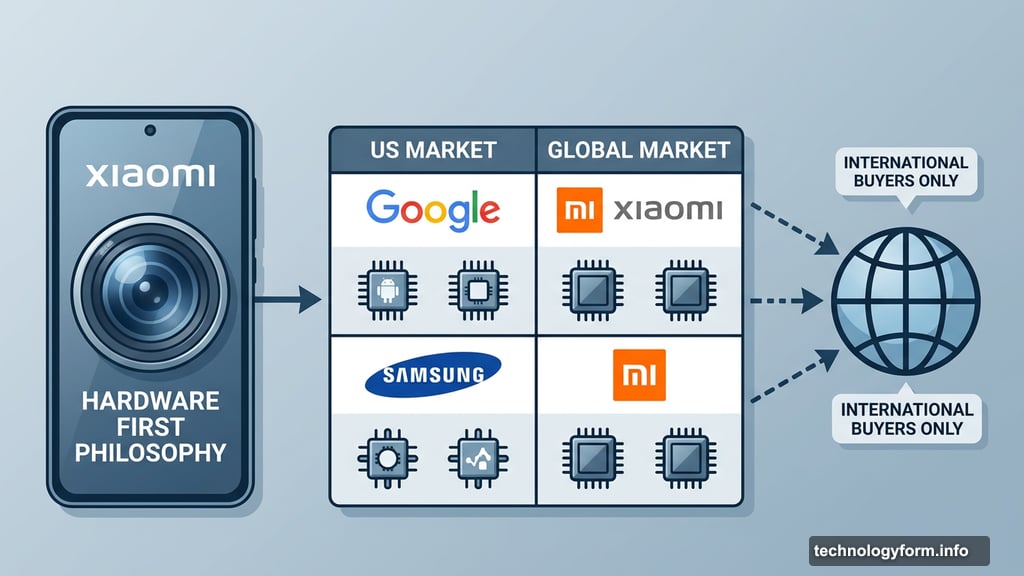
Preston walks through why the best camera hardware in smartphones often doesn’t make it to US buyers at all. Brands like Xiaomi, for instance, approach camera development completely differently from Google or Samsung. Xiaomi believes camera hardware comes first, before software processing ever enters the picture.
The catch? Phones built around that philosophy sometimes look, well, pretty unusual. So if you want a seriously great camera, you might need to go international and get comfortable with a device that turns heads for all the wrong reasons.
Why This Conversation Matters Right Now
The Vergecast episode connects two things that might seem unrelated on the surface. But they’re actually part of the same bigger story.
AI is reshaping what professionals do and how they think about their work. Meanwhile, global hardware competition is reshaping what consumers can even buy, depending on where they live. Both of those shifts are happening fast, and both carry real trade-offs.
Ford’s honest account of vibe coding is worth listening to not because he has clean answers. It’s worth it because he doesn’t. The emotional complexity he describes, the excitement mixed with genuine unease, probably sounds familiar to a lot of people right now. Technology is moving faster than our ability to figure out how we feel about it.
That’s an uncomfortable place to sit. But it’s also an honest one.
If you want to dig deeper, the episode links out to several excellent reads including a New York Times piece on AI disruption, coverage of Claude’s recent momentum, and pieces on Xiaomi, Oppo, and other international phone makers pushing hardware in directions US buyers rarely see.
Worth your time, especially if you’ve ever opened an AI coding tool and felt both thrilled and slightly unsettled at exactly the same moment.